Actor
Dora Baret
2 films on Movie OTT · Active 1974–1995
Dora Baret is an Argentine actress born on July 7, 1940, in Huerta Grande, a small town in the Córdoba province of Argentina. She came of age during a period when Argentine cinema was asserting itself as one of Latin America's most ambitious national film industries, and she built her career against that backdrop — working through the industry's various political and creative upheavals with a consistency that kept her name relevant across multiple decades. Though her work spans a range of genres and formats, she is perhaps best known to international audiences through her appearance in the Argentine productions of the 1970s, a decade that produced some of the country's most enduring and complicated cinema.
About Dora Baret
Dora Baret is an Argentine actress born on July 7, 1940, in Huerta Grande, a small town in the Córdoba province of Argentina. She came of age during a period when Argentine cinema was asserting itself as one of Latin America's most ambitious national film industries, and she built her career against that backdrop — working through the industry's various political and creative upheavals with a consistency that kept her name relevant across multiple decades. Though her work spans a range of genres and formats, she is perhaps best known to international audiences through her appearance in the Argentine productions of the 1970s, a decade that produced some of the country's most enduring and complicated cinema.
The film that most firmly plants Baret in the historical record is La Mary, the 1974 production directed by Daniel Tinayre. The film starred Susana Giménez in the title role and became a significant commercial and cultural event in Argentina, drawing enormous audiences and sparking considerable debate about class, desire, and the representation of women on screen. Baret's participation in La Mary placed her inside one of the defining Argentine productions of that era — a film that, decades later, still circulates in discussions about 1970s Argentine popular cinema. The production came at a charged moment in Argentine history, just before the political convulsions that would reshape the country and its film industry, and its success reflected both the appetite for domestic cinema and the tensions simmering beneath the surface of everyday life. Being part of that film was not a minor credit. It was a position at the center of the conversation.
Argentine cinema of the period leaned heavily on melodrama, social realism, and the kind of character-driven storytelling that demanded actors capable of holding emotional complexity without tipping into caricature. Baret worked within those conventions while demonstrating the kind of adaptability that sustains a long career. The industry she operated in required performers to move between film, television, and theater with relative ease, and Argentine actresses of her generation typically developed a range that came from necessity as much as ambition. That range — the ability to shift registers, to serve a story rather than dominate it — tends to define the working lives of performers who last.
La Mary remains the most documented point of reference for Baret in the international database record, and it functions as a useful lens through which to understand the kind of work she was drawn to or sought out. The film's combination of popular appeal and social subtext was not accidental; Argentine cinema of the early 1970s was acutely aware of its audience and its moment. Baret's presence in that film suggests an actress who was active and visible at exactly the time when Argentine cinema was producing work that would outlast its immediate context. For viewers discovering her through that title, it offers a credible entry point into both her work and the broader world of Argentine film from which she emerged.
Within the Argentine entertainment industry, actresses who began their careers in the late 1950s and 1960s and remained working through the 1970s occupy a particular place in the national cultural memory. They absorbed the influence of both Hollywood and European art cinema while developing something distinctly local — a performance style shaped by Argentine theater traditions and the specific demands of a domestic audience. Baret belongs to that cohort. Her career, anchored by her work in productions like La Mary, reflects the full arc of a mid-twentieth-century Argentine film career: rooted in a specific place and time, shaped by the industry's constraints and possibilities, and persistent enough to leave a traceable record across the decades.
Currently streaming
1 of 2 on platforms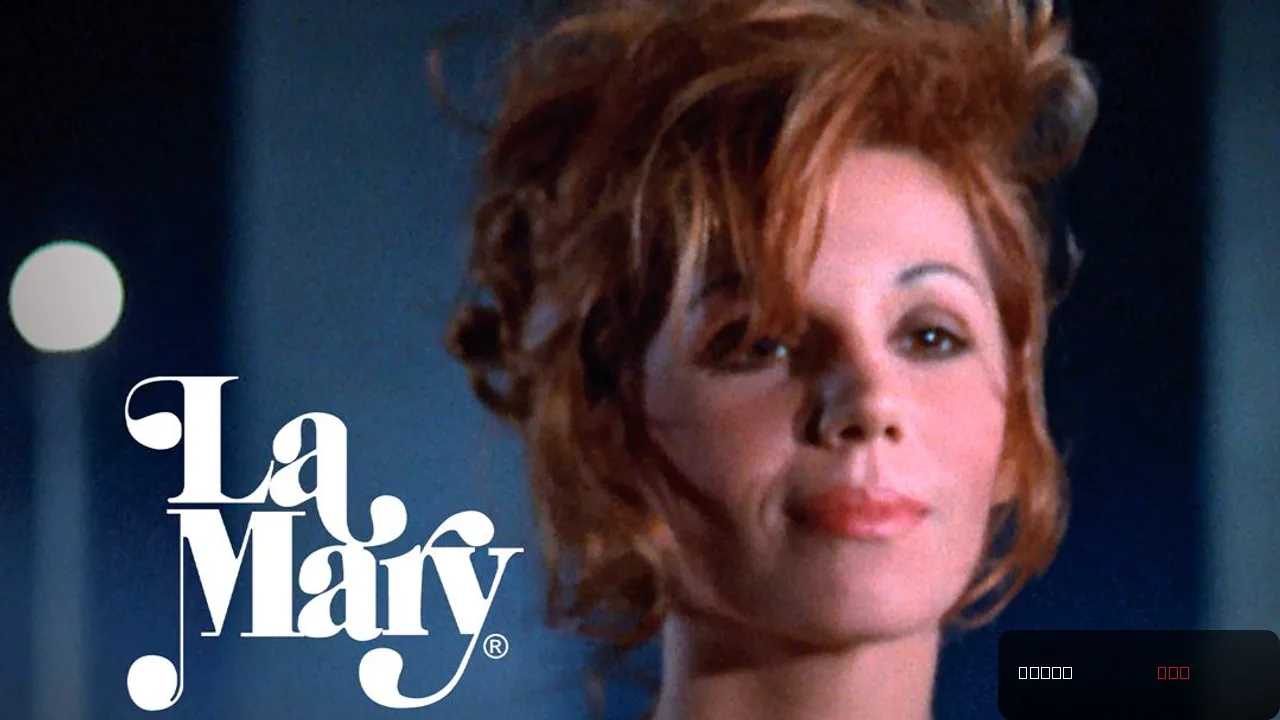
Filmography
Frequently asked questions
When and where was Dora Baret born?
Dora Baret was born 1940-07-07 in Huerta Grande, Córdoba, Argentina.
What films is Dora Baret known for?
Dora Baret has 2 titles indexed on Movie OTT, including Facundo, la sombra del tigre, La Mary.
Where can I watch Dora Baret's films?
1 of Dora Baret's films are currently streaming, available on Prime Video, The Roku Channel.
How long has Dora Baret been active?
Dora Baret's film career on Movie OTT spans from 1974 to 1995 — 21 years of work.