Actor & Director
E. Elias Merhige
4 films on Movie OTT · 3 as director · Active 1991–2006
E. Elias Merhige — born Edmund Elias Merhige on June 14, 1964, in Brooklyn, New York — is an American film director and writer whose small, strange body of work has carved out a genuinely durable place in experimental and independent cinema (Wikipedia). He's not a household name, and honestly, that seems to suit him. What's striking is how consistently his films circle back to the same obsession: the violence latent in the act of image-making itself, what it costs to create something and what it distorts in the process.
About E. Elias Merhige
E. Elias Merhige — born Edmund Elias Merhige on June 14, 1964, in Brooklyn, New York — is an American film director and writer whose small, strange body of work has carved out a genuinely durable place in experimental and independent cinema (Wikipedia). He's not a household name, and honestly, that seems to suit him. What's striking is how consistently his films circle back to the same obsession: the violence latent in the act of image-making itself, what it costs to create something and what it distorts in the process.
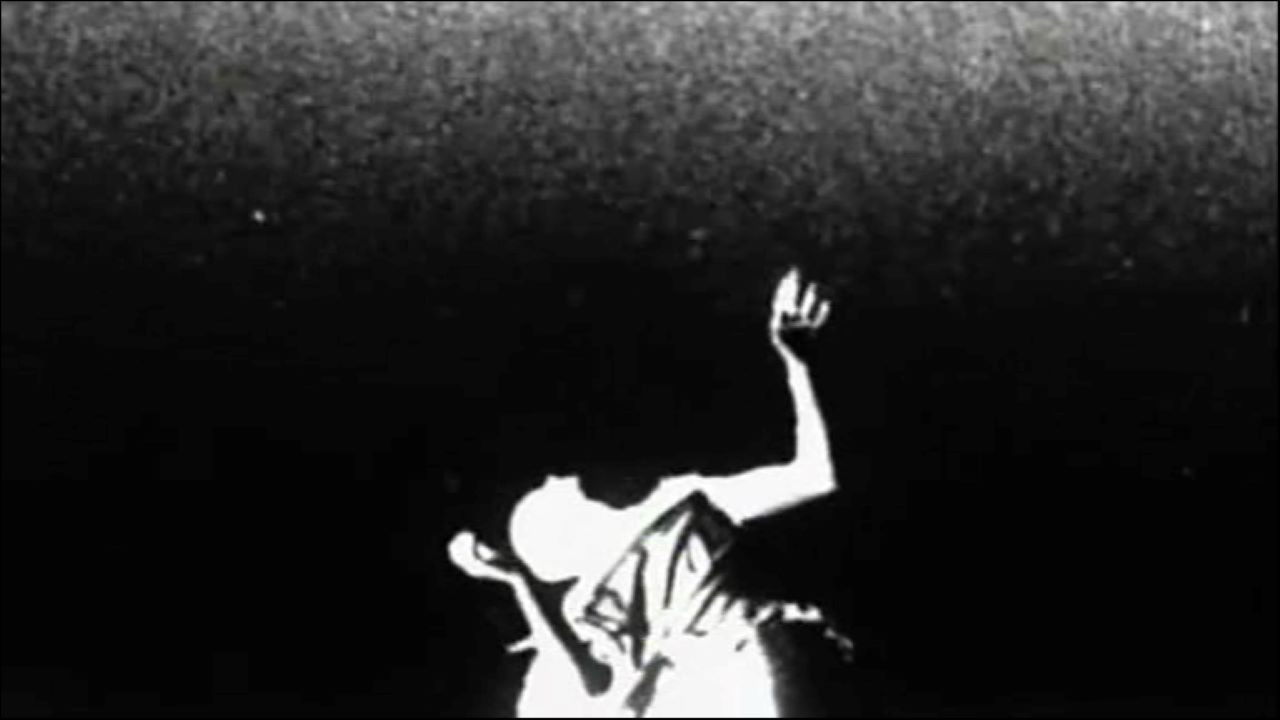
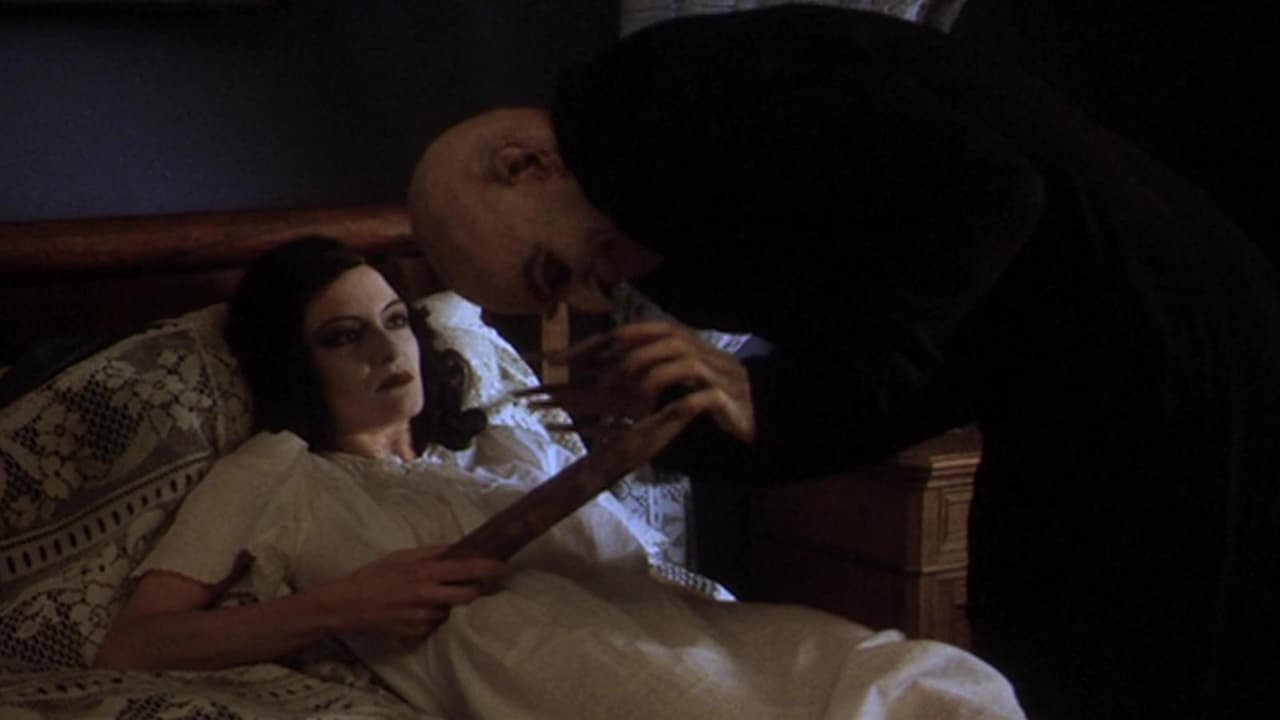
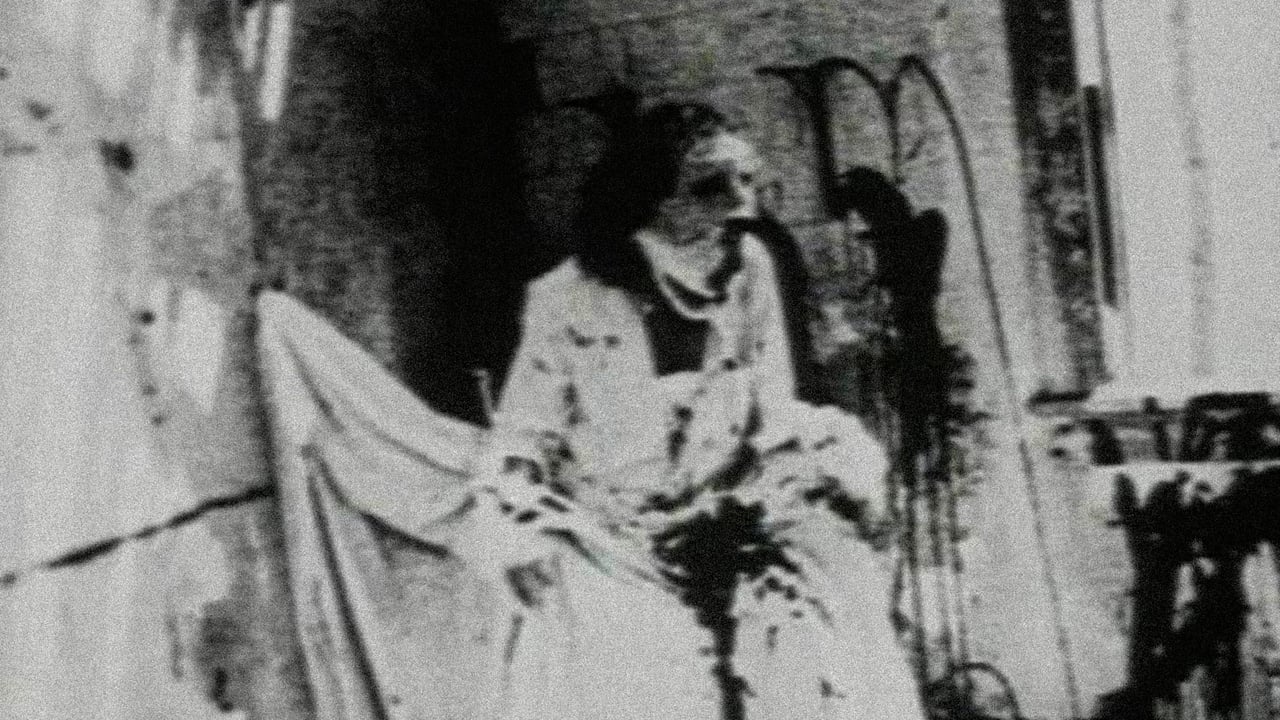
He first broke through to underground audiences with the surrealist horror film Begotten (1989), a nearly wordless, high-contrast black-and-white work that circulated through art-house venues and midnight screenings before finding a cult following that hasn't really faded (TMDB). Then came Shadow of the Vampire (2000), his most commercially visible film — a black comedy horror piece built around the fictionalized making of Nosferatu, starring John Malkovich and Willem Dafoe, with Dafoe earning an Academy Award nomination for Best Supporting Actor (Wikipedia). That film gave Merhige his widest platform without really changing what he was doing. Two very different registers, same core fixation.
His subsequent features include the psychological thriller Suspect Zero (2004), starring Aaron Eckhart and Ben Kingsley, and the documentary Din of Celestial Birds (2006). He's also directed music videos for Marilyn Manson — which, given Manson's own stated interest in Begotten as an influence, makes a certain kind of sense. According to Wikipedia, Merhige views cinema as the only meaningful art form of the present era, a conviction that comes through whether he's working in experimental film, narrative features, or music video. He currently lives in Los Angeles, California (TMDB), and is reportedly developing new projects including Polia & Blastema (Wikipedia).
Gallery
6 photosCurrently streaming
1 of 4 on platforms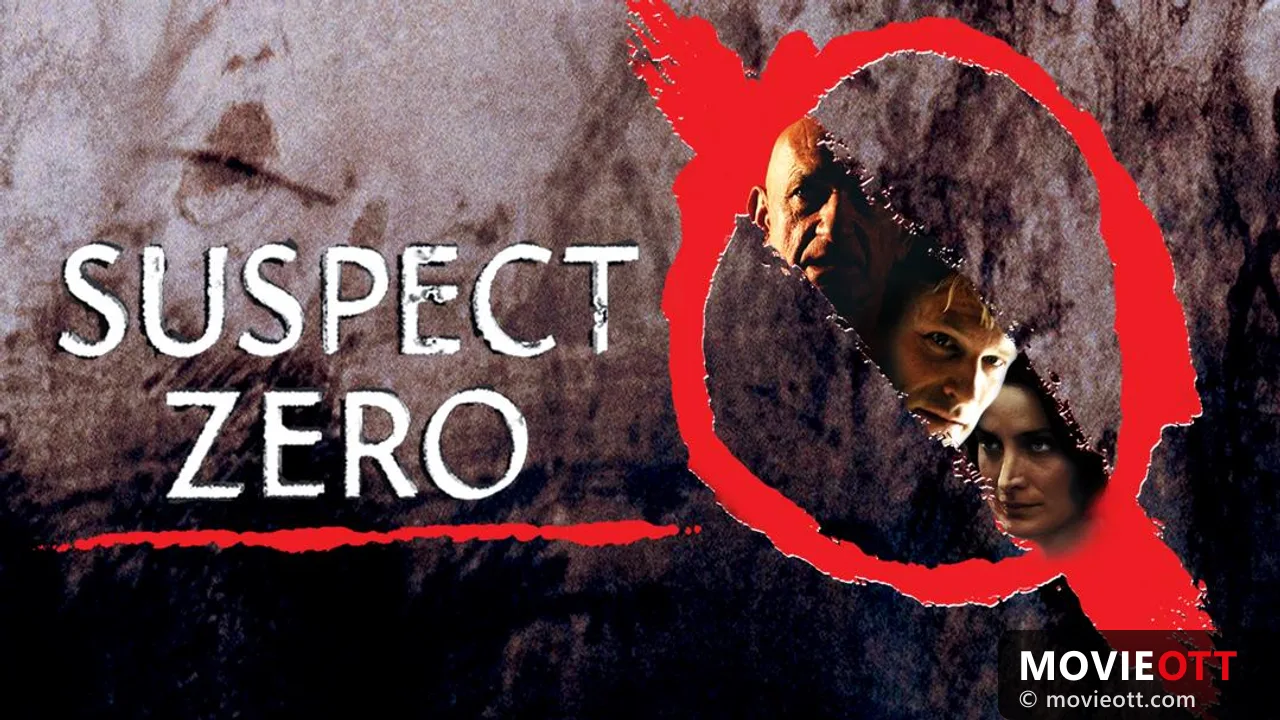
Early life & background
E. Elias Merhige was born Edmund Elias Merhige on June 14, 1964, in Brooklyn, New York, USA (TMDB). He's also credited professionally under the names Edmund Elias Merhige and Edmund E. Merhige (TMDB). Beyond his Brooklyn origins, details about his family background and formal education aren't extensively documented in public sources — which fits, more or less, with the general opacity he maintains around his personal history. What the record does show is that he came up through experimental theatre before transitioning to film, and that the New York theatre scene remained a touchstone throughout his career, one he reportedly returned to following his last feature (Wikipedia).
Career
Cite this page
For Wikipedia, journalism, or academic references — copy the citation below:
Movie OTT. "E. Elias Merhige." Accessed Oct 3, 2026. https://movieott.com/talent/e-elias-merhigeCross-references: Wikipedia
Last updated July 2, 2026 · Sources: tmdb+wikipedia+perplexity+tmdb-credits+ai-claude
Filmography
Frequently asked questions
When and where was E. Elias Merhige born?
E. Elias Merhige was born 1964-06-14 in Brooklyn, New York, USA.
What films is E. Elias Merhige known for?
E. Elias Merhige has 4 titles indexed on Movie OTT, including Din of Celestial Birds, Unraveling the Mystery of Suspect Zero (2004), Shadow of the Vampire.
Where can I watch E. Elias Merhige's films?
1 of E. Elias Merhige's films are currently streaming, available on Netflix.
Has E. Elias Merhige directed any films?
Yes — E. Elias Merhige has 3 directorial credits indexed on Movie OTT.
How long has E. Elias Merhige been active?
E. Elias Merhige's film career on Movie OTT spans from 1991 to 2006 — 15 years of work.