Actor
Fernanda Montenegro
4 films on Movie OTT · Active 2014–2026
Fernanda Montenegro stands as one of the most consequential actors to emerge from Brazil's postwar theater and cinema scene. Born in Rio de Janeiro on October 16, 1929, she began her career on stage in the early 1950s, working through Rio's theatrical circuit at a time when Brazilian performance culture was still finding its footing between European tradition and something distinctly its own. She's best known internationally for her lead performance in Walter Salles's Central Station (Central do Brasil, 1998), a film that brought her to the Academy Awards as the first Brazilian actress ever nominated for Best Actress — a fact that still doesn't get mentioned enough when people talk about the history of that category.
About Fernanda Montenegro
Fernanda Montenegro stands as one of the most consequential actors to emerge from Brazil's postwar theater and cinema scene. Born in Rio de Janeiro on October 16, 1929, she began her career on stage in the early 1950s, working through Rio's theatrical circuit at a time when Brazilian performance culture was still finding its footing between European tradition and something distinctly its own. She's best known internationally for her lead performance in Walter Salles's Central Station (Central do Brasil, 1998), a film that brought her to the Academy Awards as the first Brazilian actress ever nominated for Best Actress — a fact that still doesn't get mentioned enough when people talk about the history of that category.
Central Station is the defining work. Montenegro plays Dora, a retired schoolteacher who writes letters for illiterate strangers at Rio's main train station and eventually escorts a young boy across the country in search of his father. What's striking is how little she telegraphs. There's no moment where you catch her acting — just a woman who starts the film as someone you don't particularly like, guarded and transactional, and ends it somewhere else entirely, without the film ever announcing that a transformation has occurred. She didn't win the Oscar (Gwyneth Paltrow took it for Shakespeare in Love that year), but the nomination alone shifted how international audiences and distributors thought about Brazilian cinema. The film grossed over $15 million worldwide and earned Salles a Golden Bear at Berlin, and Montenegro's performance was at the center of every serious conversation about it.
Her career before and after that peak shows a consistent preference for material that doesn't flatter its characters. She spent decades in Brazilian television, particularly with TV Globo, building a body of work in telenovelas and miniseries that gave her a kind of national familiarity that film actors in smaller markets often can't afford to ignore — the industry there doesn't always let you choose one lane. On stage she worked with directors and writers who were pushing against the grain of easy sentiment, and that training shows in how she handles silence on screen. She doesn't fill it. Hard to say if that's a stage instinct or something more personal, but it's consistent across decades of work.
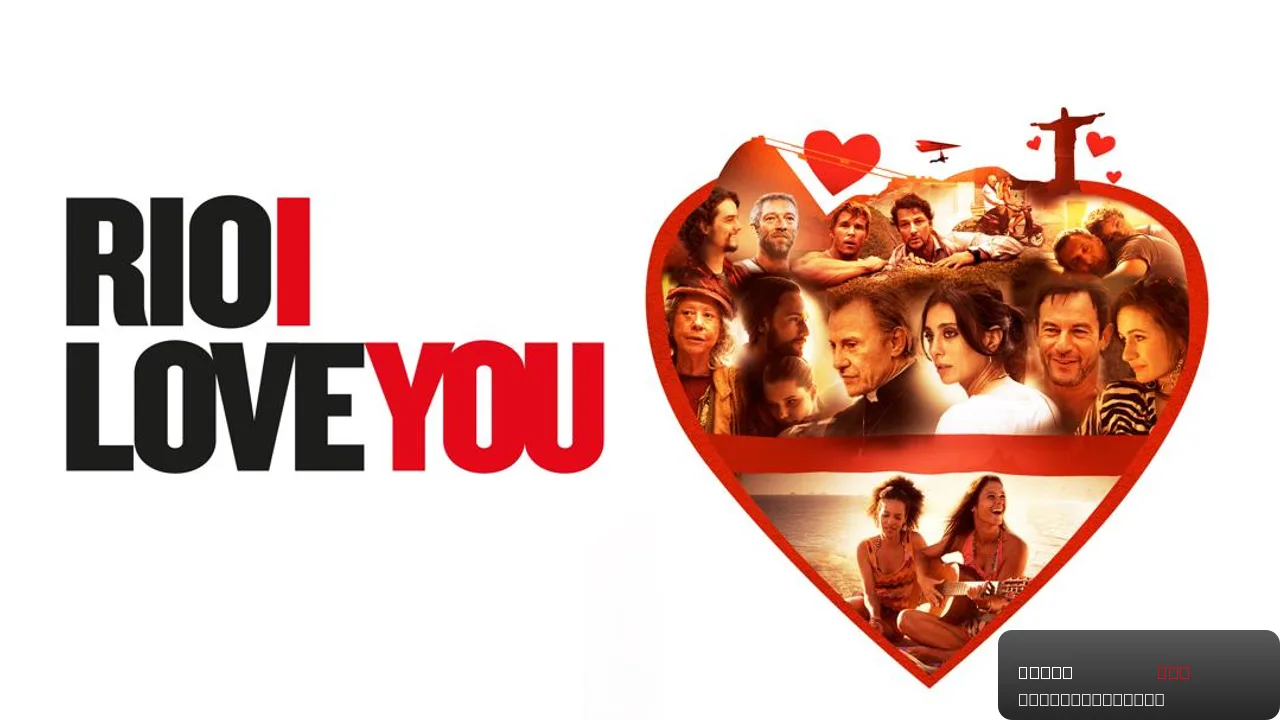
Her appearance in Rio, I Love You (2014) — the Brazilian segment of the international anthology series that also produced Paris, Je T'aime and New York, I Love You — placed her within a project that was, by design, a showcase of the city itself as much as any individual story. The anthology format suits her in an odd way: she's always been an actor who can establish a full person quickly, without needing a feature's worth of runway, and the compressed storytelling of that film's structure plays to that. Rio, I Love You isn't her most demanding work, but it's a reminder that she can anchor a short-form piece the same way she anchors a two-hour drama — with economy.
Montenegro is, at this point, a figure that younger Brazilian filmmakers reference almost as a kind of fixed coordinate — someone who proved that a performance from Brazil could hold its own against anything being made anywhere else. She's continued working in television and film into her nineties (her son, director Claudio Torres, has collaborated with her on Brazilian productions), and there's no sign of retreat. The thing nobody mentions is how unusual that sustained presence is — not just in Brazilian cinema, but anywhere. Most careers of this length taper into ceremonial appearances. Hers hasn't.
Currently streaming
2 of 4 on platforms
Filmography
Frequently asked questions
When and where was Fernanda Montenegro born?
Fernanda Montenegro was born 1929-10-16 in Rio de Janeiro, Rio de Janeiro, Brazil.
What films is Fernanda Montenegro known for?
Fernanda Montenegro has 4 titles indexed on Movie OTT, including Velhos Bandidos: A Hilarious Heist Adventure, Vitória, I'm Still Here.
Where can I watch Fernanda Montenegro's films?
2 of Fernanda Montenegro's films are currently streaming, available on Amazon Prime Video with Ads, Prime Video, fuboTV, Netflix.
How long has Fernanda Montenegro been active?
Fernanda Montenegro's film career on Movie OTT spans from 2014 to 2026 — 12 years of work.