Actor
Gérard Blain
3 films on Movie OTT · Active 1959–1977
Gérard Blain was a French actor and filmmaker born in Paris on October 23, 1930, whose career traced an unusual arc — from the sun-drenched rebelliousness of late-1950s European cinema to a quieter, more interior kind of work that most mainstream audiences never fully caught up with. He came of age as a performer during the tail end of classical French studio filmmaking, but it was his association with the emerging currents of European art cinema that defined how history would remember him. Not a star in the conventional sense. More like a recurring figure at the edges of something important.
About Gérard Blain
Gérard Blain was a French actor and filmmaker born in Paris on October 23, 1930, whose career traced an unusual arc — from the sun-drenched rebelliousness of late-1950s European cinema to a quieter, more interior kind of work that most mainstream audiences never fully caught up with. He came of age as a performer during the tail end of classical French studio filmmaking, but it was his association with the emerging currents of European art cinema that defined how history would remember him. Not a star in the conventional sense. More like a recurring figure at the edges of something important.
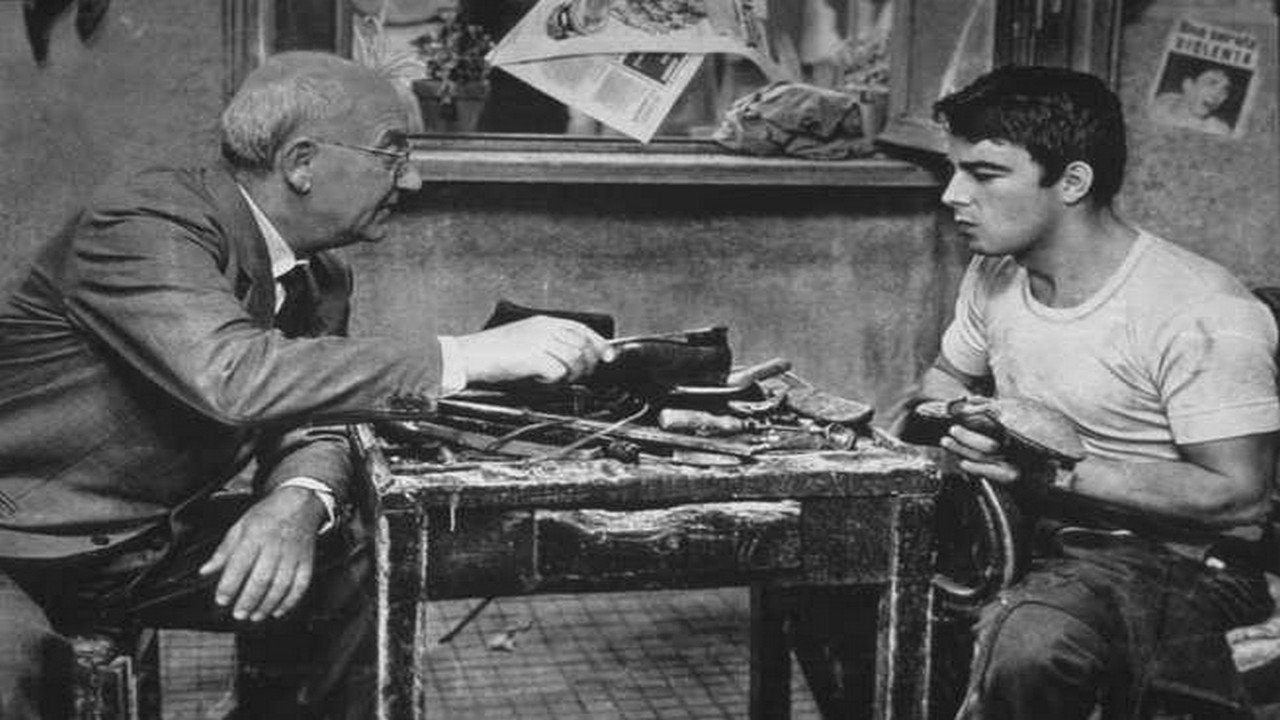
Blain's breakthrough came through his work with director Claude Chabrol, who cast him in two of the earliest films of the French New Wave — Le Beau Serge (1958) and Les Cousins (1959). These weren't just career-making roles; they were documents of a movement finding its footing, and Blain carried them with a kind of coiled physical presence that suited Chabrol's interest in moral ambiguity and provincial tension. What's striking, watching those films now, is how little Blain seems to be performing in any theatrical sense — he occupies the frame the way a person occupies a room they're not entirely comfortable in, which made him extraordinarily watchable. He also worked with Mario Monicelli in Italy during this period, extending his reach across European cinema at a moment when national boundaries in art film were genuinely porous.
By the 1960s, Blain had begun shifting his focus toward directing, a transition that took him away from acting work for stretches at a time. His films as a director — including Les Amis (1971) and Un enfant dans la foule (1976) — were spare, attentive to childhood and social dislocation in ways that didn't fit neatly into any commercial category. That's the thing nobody mentions about Blain's directorial output: it doesn't borrow from the New Wave directors he'd worked alongside so much as it seems to arrive at similar emotional territory through entirely different instincts. He wasn't imitating anyone. The films are slow, sometimes frustratingly so, but they accumulate weight.
His acting career didn't disappear during these years, and one of its most significant late chapters came with Wim Wenders' The American Friend (1977), an adaptation of Patricia Highsmith's Ripley's Game that brought together an extraordinary cluster of European and American talent — Dennis Hopper, Bruno Ganz, Nicholas Ray and Samuel Fuller appearing in small roles — and placed Blain in that constellation as a recognizable face from an earlier cinematic generation. His presence in The American Friend carries a kind of retrospective weight, as though Wenders was consciously drawing a line between the New Wave's early promise and the more fragmented, transatlantic cinema of the late 1970s. Hard to say if Blain saw it that way himself, but the casting feels deliberate.
Blain continued working in both capacities — acting and directing — through the 1980s and into the 1990s, though his output remained modest and largely outside the festival circuit's main attention. His reputation rested, and still rests, on a relatively small number of films that happen to matter quite a lot to the people who've seen them. He died on December 18, 2000, in Paris. What he left behind is a body of work that resists easy summary: an actor who helped launch a movement, a director who pursued something quieter on his own terms, and a presence in films like The American Friend that reminds you how much texture a single face can bring to a scene without saying very much at all.
Currently streaming
2 of 3 on platforms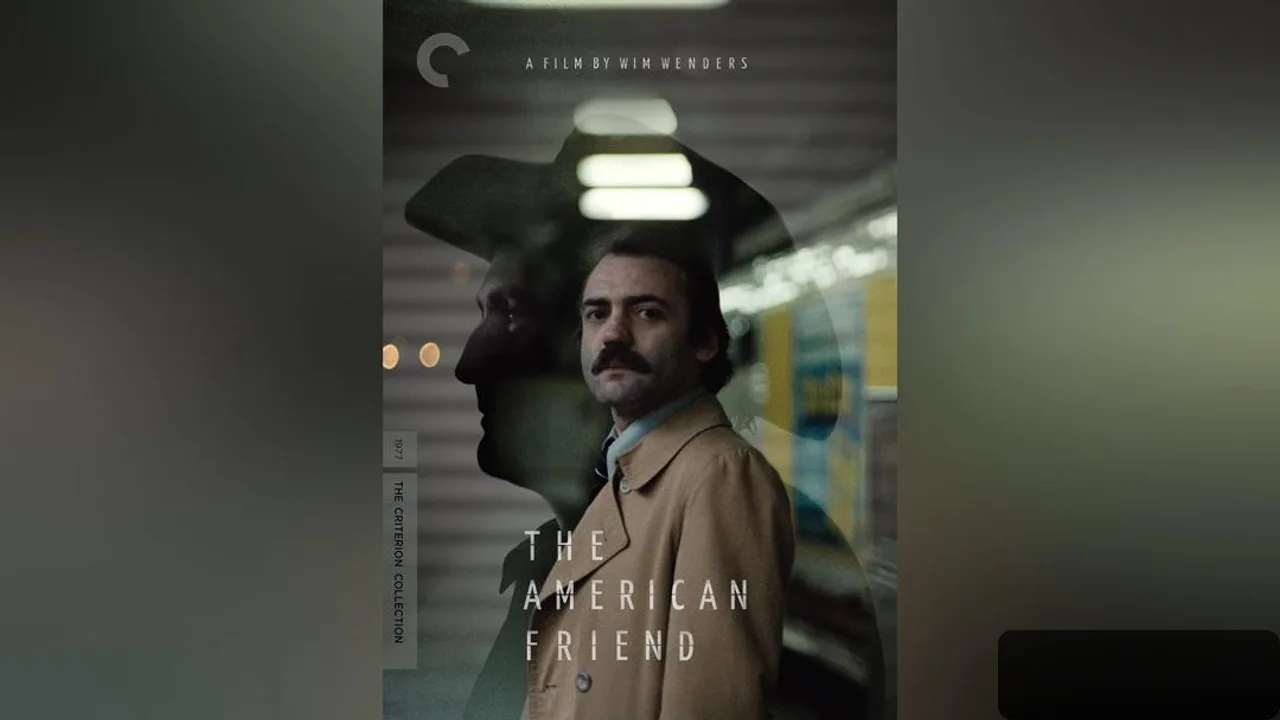

Filmography
Frequently asked questions
When and where was Gérard Blain born?
Gérard Blain was born 1930-10-23 in Paris, France.
What films is Gérard Blain known for?
Gérard Blain has 3 titles indexed on Movie OTT, including The American Friend, Gold of Rome, The Cousins.
Where can I watch Gérard Blain's films?
2 of Gérard Blain's films are currently streaming, available on Criterion Channel, Curzon Amazon Channel, Prime Video, YouTube TV.
How long has Gérard Blain been active?
Gérard Blain's film career on Movie OTT spans from 1959 to 1977 — 18 years of work.