Filmmaker
Guy Hamilton
2 films on Movie OTT · 2 as director · Active 1982–1985
Guy Hamilton was a British film director born in Paris on 16 September 1922, whose career spanned the better part of four decades and left a particular mark on the spy thriller and action-adventure genres. He's probably best known to general audiences as the director who shaped the James Bond franchise at some of its most commercially dominant moments — not the inventor of Bond on screen, but arguably the craftsman who standardized what a Bond film felt like, paced like, moved like.
About Guy Hamilton
Guy Hamilton was a British film director born in Paris on 16 September 1922, whose career spanned the better part of four decades and left a particular mark on the spy thriller and action-adventure genres. He's probably best known to general audiences as the director who shaped the James Bond franchise at some of its most commercially dominant moments — not the inventor of Bond on screen, but arguably the craftsman who standardized what a Bond film felt like, paced like, moved like.
Hamilton came up through the industry the old-fashioned way. He worked as an assistant director through the late 1940s and into the 1950s, cutting his teeth on British productions and absorbing the grammar of classical Hollywood-influenced filmmaking at a time when the British film industry was genuinely trying to compete on a global scale. His early directorial work — including the 1953 crime picture The Intruder and the war film The Colditz Story (1955) — showed a director who understood physical space and ensemble dynamics, who could manage large casts without losing the thread of individual scenes. The Colditz Story in particular holds up as a tight, unsentimental piece of work, and it's worth noting that Hamilton's restraint there was exactly what would later make him so effective with Bond: he didn't oversell things.
The Bond connection defines his reputation whether he'd have wanted it that way or not. He directed four films in the series — Goldfinger (1964), Diamonds Are Forever (1971), Live and Let Die (1973), and The Man with the Golden Gun (1974). Goldfinger is the one that matters most, the one that essentially codified the formula: the gadgets, the one-liner timing, the villain's extended monologue, the pacing that lets spectacle breathe without becoming indulgent. What's striking is how confident the whole film feels, like Hamilton had decided exactly what kind of movie this was going to be and simply executed that decision without second-guessing. That clarity — not flash, not ambition, just clarity — is his signature. He returned to the franchise across different eras of the Connery-to-Moore transition, adapting his approach without losing the essential efficiency that made Goldfinger work.
Outside Bond, Hamilton worked across genres with a consistency that didn't always get the credit it deserved. Battle of Britain (1969) was a massive logistical undertaking (one of the largest air-war productions in British cinema history), and Force 10 from Navarone (1978) brought him back into WWII territory with a different kind of ensemble energy. He wasn't a director who imposed a strong auteur stamp in the way critics tend to celebrate — his films don't announce themselves as Hamilton films — but there's a workmanlike intelligence running through them that's easy to undervalue.
His later career included Remo Williams: The Adventure Begins (1985), an action-adventure adaptation of the long-running "The Destroyer" pulp novel series. The film, which starred Fred Ward as a tough government operative trained in an ancient Korean martial art by the master Chiun (played by Joel Grey), was designed as a franchise-starter — and it's genuinely interesting to watch in that context, because you can see Hamilton applying the same franchise-building instincts he'd developed on Bond: establish the world, establish the relationship, keep the tone light enough to sustain sequels. That sequel never came, which is one of those Hollywood what-ifs that's hard to fully explain. Hard to say if the timing was wrong or if audiences just weren't ready for another spy-adjacent franchise in the mid-1980s. The in-depth documentary look at the film's production — The Adventure Begins with Remo Williams: An In-Depth Look — reflects the degree to which the project has attracted retrospective interest, the kind of cult reassessment that tends to find films that were ahead of their moment.
Hamilton's place in film history is secure, if slightly undersung. He gave the Bond franchise its commercial backbone at a critical period, proved he could handle both intimate drama and large-scale spectacle, and kept working with genuine professionalism well into the 1980s. Not a revolutionary. A director who knew exactly what he was doing.
Currently streaming
1 of 2 on platforms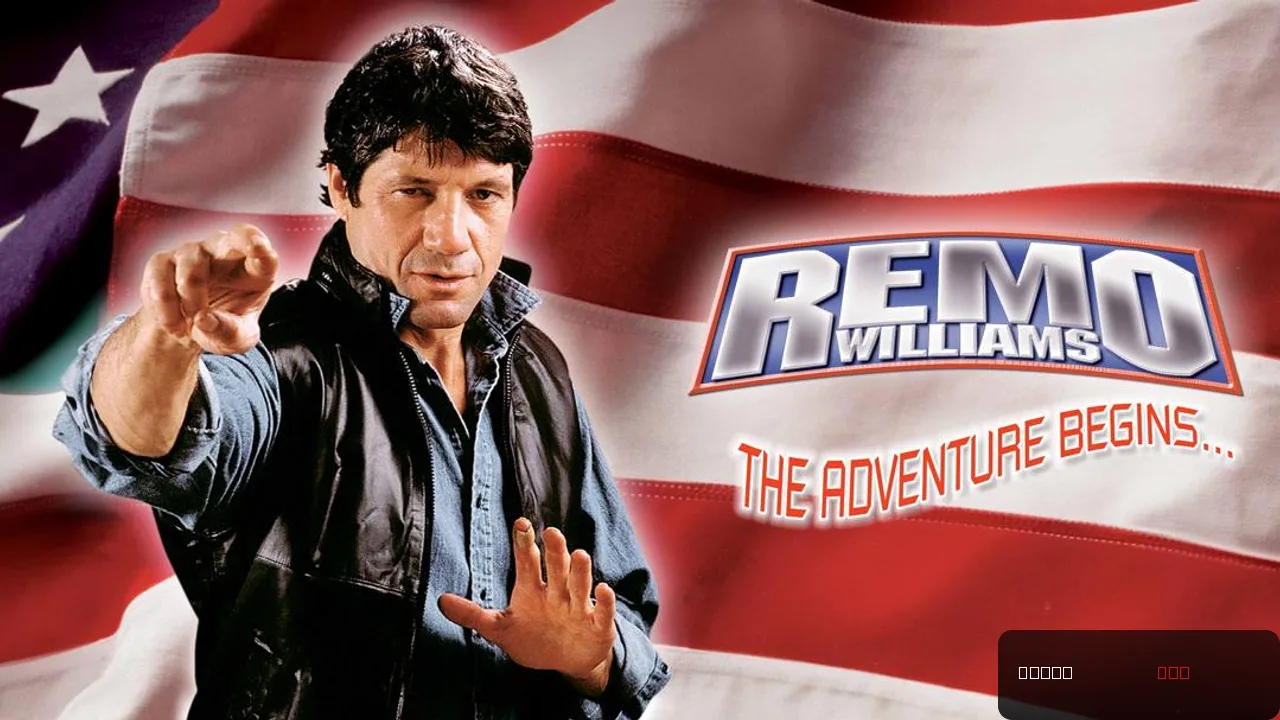
Filmography
Frequently asked questions
When and where was Guy Hamilton born?
Guy Hamilton was born 1922-09-16 in Paris, Ile-de-France, France.
What films is Guy Hamilton known for?
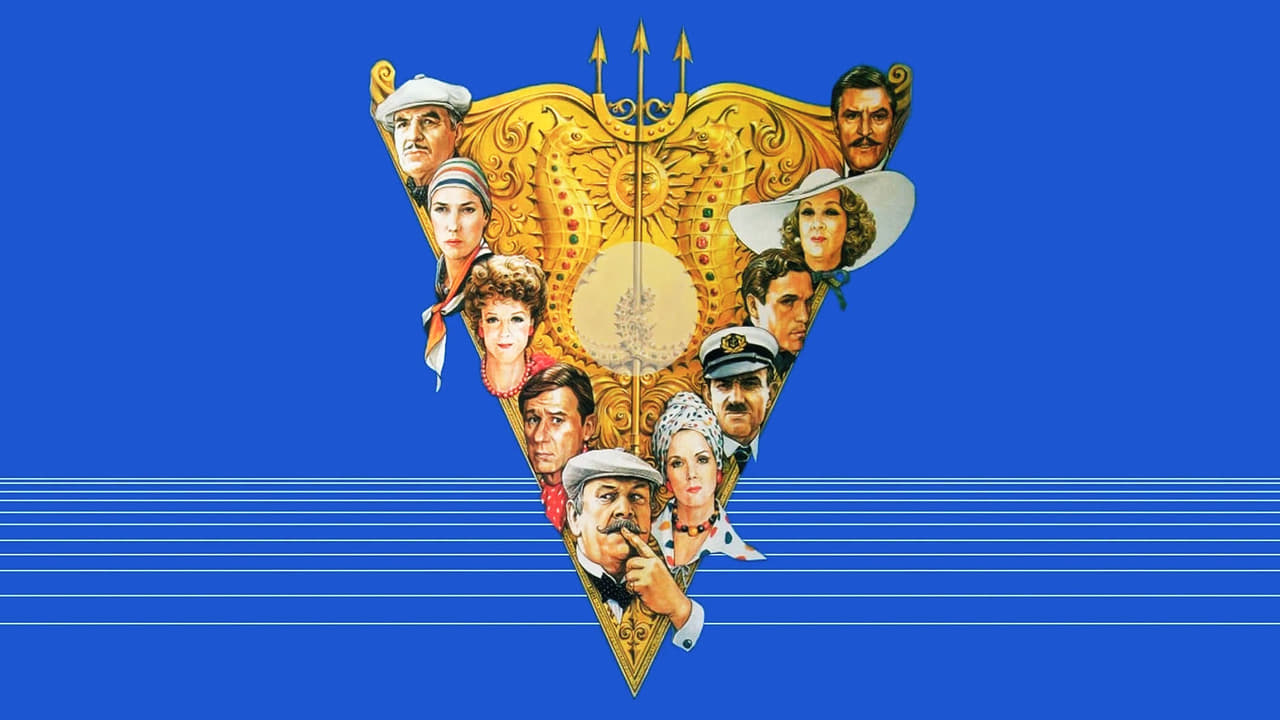
Guy Hamilton has 2 titles indexed on Movie OTT, including The Adventure Begins with Remo Williams: An In-Depth Look, Evil Under the Sun.
Where can I watch Guy Hamilton's films?
1 of Guy Hamilton's films are currently streaming, available on Prime Video.
Has Guy Hamilton directed any films?
Yes — Guy Hamilton has 2 directorial credits indexed on Movie OTT.