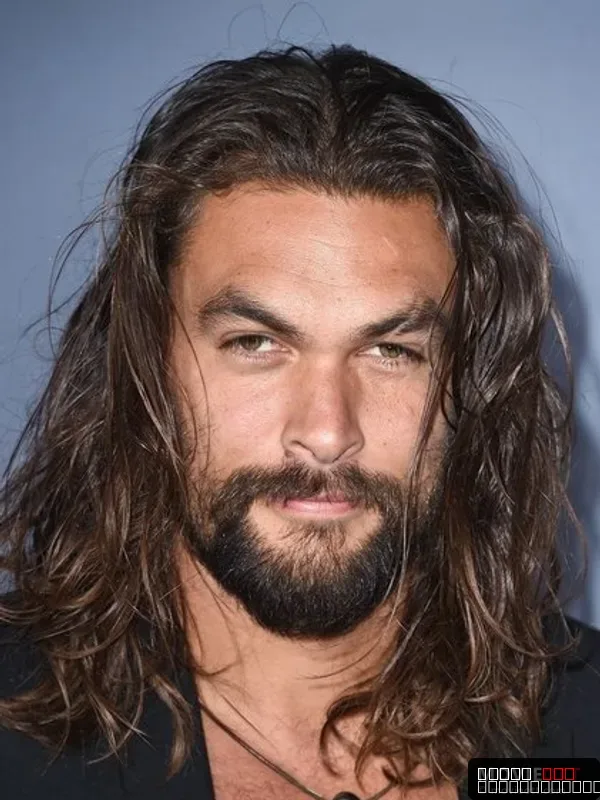
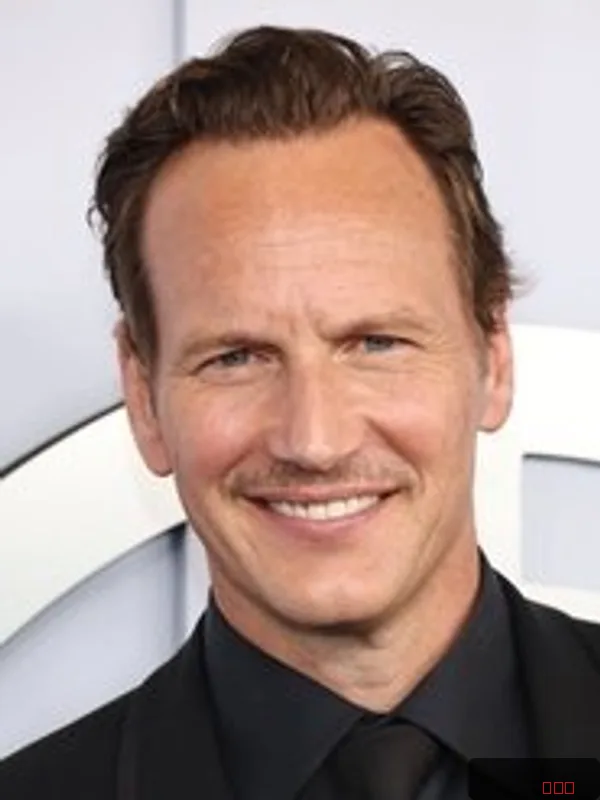
Actor & Director
James Wan
6 films on Movie OTT · 3 as director · Active 2015–2026
When James Wan sits down to block a scene, he's thinking about water. Not metaphorically. Literally. The way light bends through it, how bodies move through it, what it does to a camera lens when you're shooting thirty meters below the surface. This obsession, which would become the visual signature of Aquaman and the Lost Kingdom, traces back to a kid in Kuching, Sarawak, Malaysia, watching Hollywood films in a place where the ocean wasn't a set piece—it was just there, part of the landscape. Born in 1977, Wan grew up in a port city, surrounded by the kind of maritime geography that most filmmakers only encounter through research and green-screen mockups.
About James Wan
When James Wan sits down to block a scene, he's thinking about water. Not metaphorically. Literally. The way light bends through it, how bodies move through it, what it does to a camera lens when you're shooting thirty meters below the surface. This obsession, which would become the visual signature of Aquaman and the Lost Kingdom, traces back to a kid in Kuching, Sarawak, Malaysia, watching Hollywood films in a place where the ocean wasn't a set piece—it was just there, part of the landscape. Born in 1977, Wan grew up in a port city, surrounded by the kind of maritime geography that most filmmakers only encounter through research and green-screen mockups.
Wan's breakthrough came not in water but in darkness. In 2004, he directed Saw, a low-budget horror film shot in a warehouse over eighteen days with a budget most studios wouldn't allocate to craft services. The film's central conceit—two strangers chained in a bathroom, forced to solve a puzzle to survive—became the template for a franchise that would define early-2000s horror cinema. What made Saw work wasn't gore, though the film certainly had it. It was the claustrophobia, the editing, the way Wan understood that you don't need to show everything to terrify an audience. You need to control what they see and when they see it. The film grossed $103 million worldwide and announced Wan as someone who could manufacture genuine dread on a shoestring.
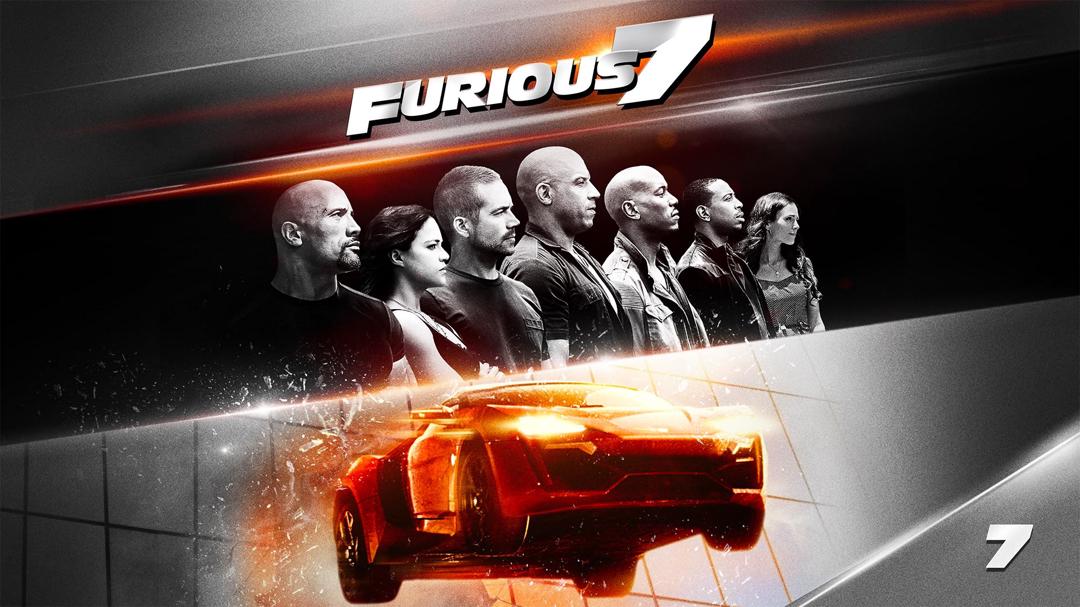
But Wan didn't want to be the horror guy forever. By the 2010s, he'd already begun shifting toward larger canvases. The Conjuring series proved he could apply that same architectural precision to period scares and ensemble casts. Then came Furious 7 in 2015, a pivot that shouldn't have worked but did. He inherited a franchise mid-stride, delivered a film that balanced vehicular spectacle with genuine emotional weight (the Paul Walker tribute still lands), and proved he could handle a $190 million budget without losing the visual discipline that made his earlier work distinct. It was a deliberate move away from horror's confines, a signal that he wasn't interested in being boxed into a single genre.
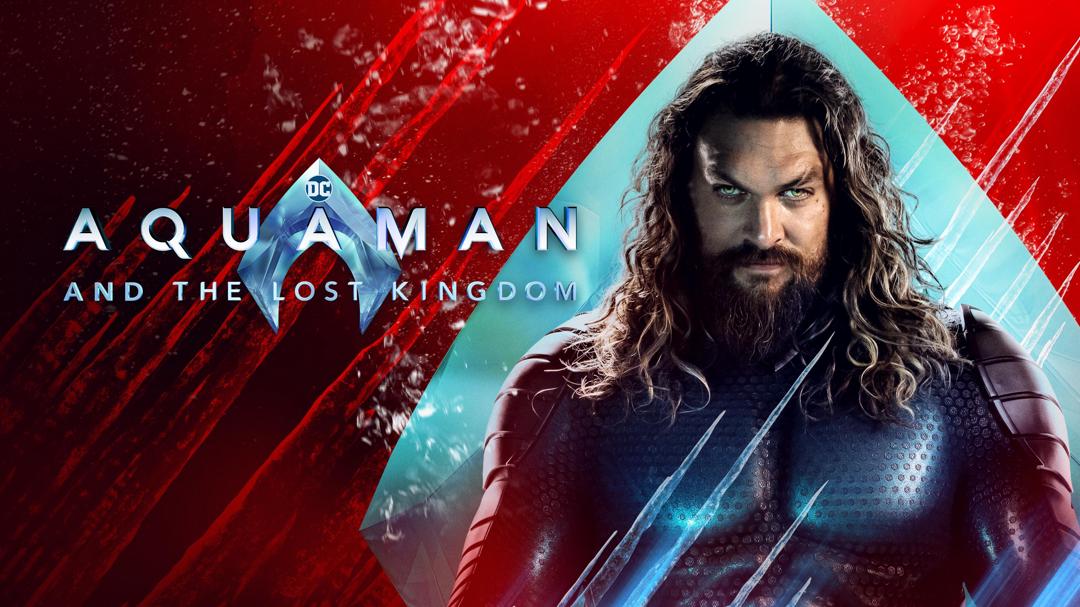
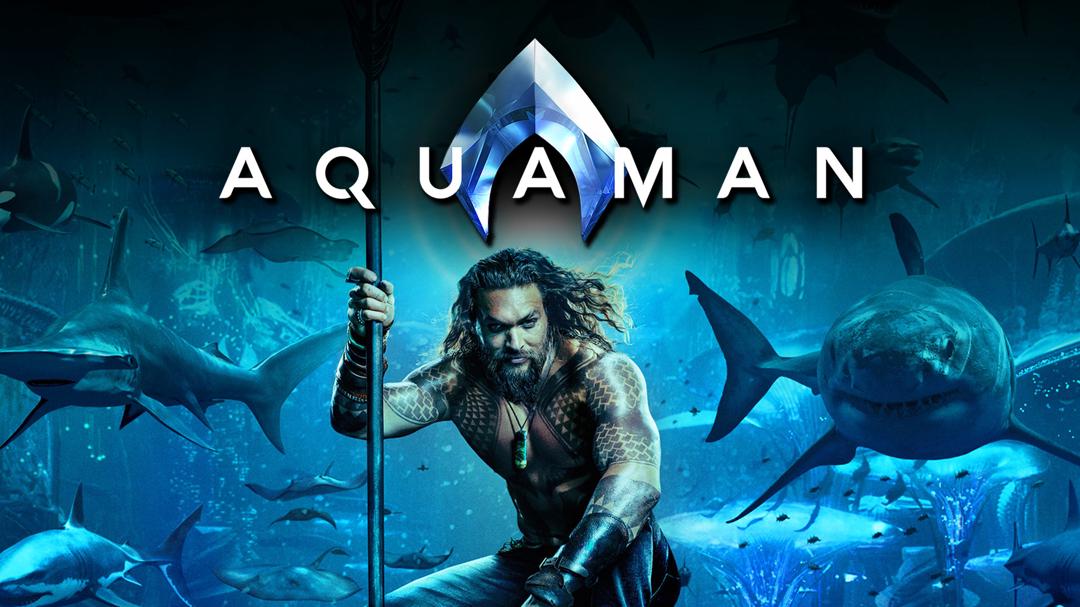
Aquaman and the Lost Kingdom represents the logical endpoint of that trajectory. A two-hundred-million-dollar underwater fantasy with Jason Momoa and Nicole Kidman, shot in tanks and on location across multiple countries. The film's visual language—those long, fluid tracking shots through bioluminescent kingdoms, the way characters move through water with balletic precision—couldn't exist without a director who'd spent years thinking about how cameras behave in aquatic environments. It's not a perfect film, and critics were split, but it's unmistakably a Wan film. That underwater choreography, that control of light and depth. You don't see that everywhere.
What's striking is that Wan hasn't really stopped making horror films. He's just made them bigger. The jump scares are still there, the sense of impending dread, the understanding that a good scare doesn't require gore—it requires timing and sound design. Whether you're watching a haunted house or an underwater kingdom, you're watching someone who learned his craft in a bathroom with a budget you could fit in a used car. He's expanded the scope without losing the instinct that made those early films work. Hard to say if he'll circle back to smaller projects. For now, he's comfortable operating at scale, which is its own kind of mastery.
Currently streaming
5 of 6 on platforms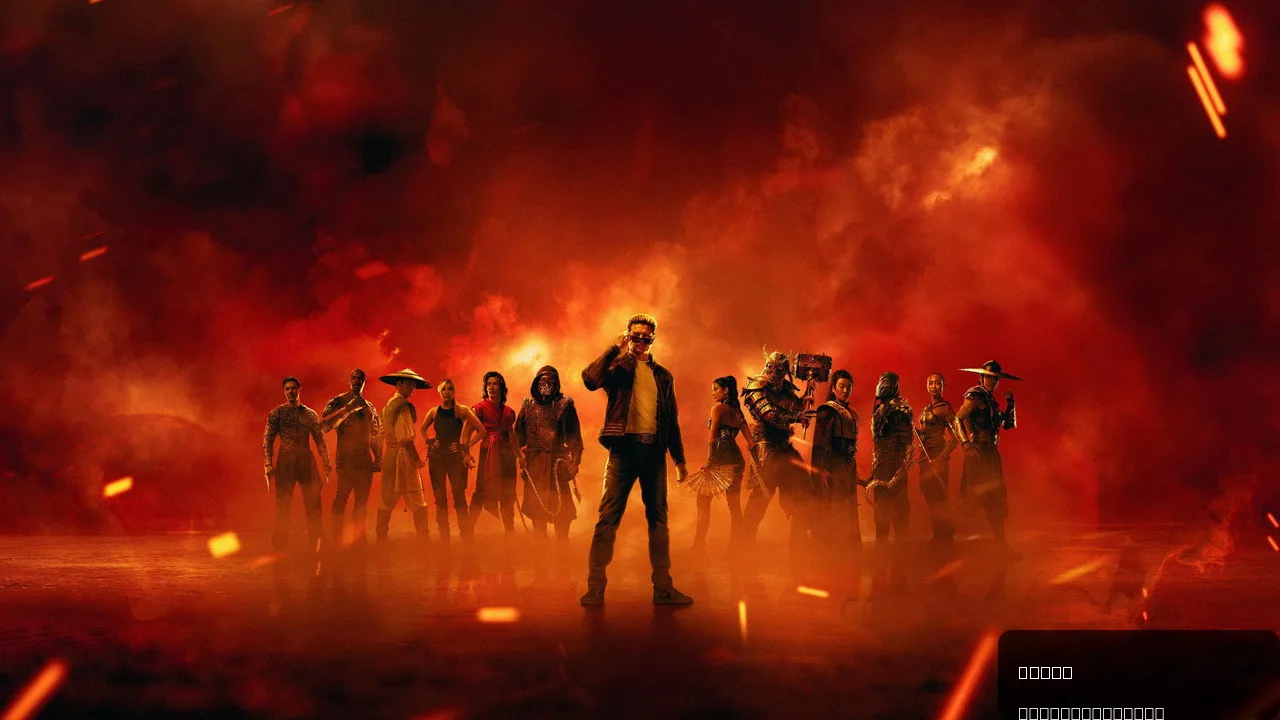
Filmography
Frequently asked questions
When and where was James Wan born?
James Wan was born 1977-02-26 in Kuching, Sarawak, Malaysia.
What films is James Wan known for?
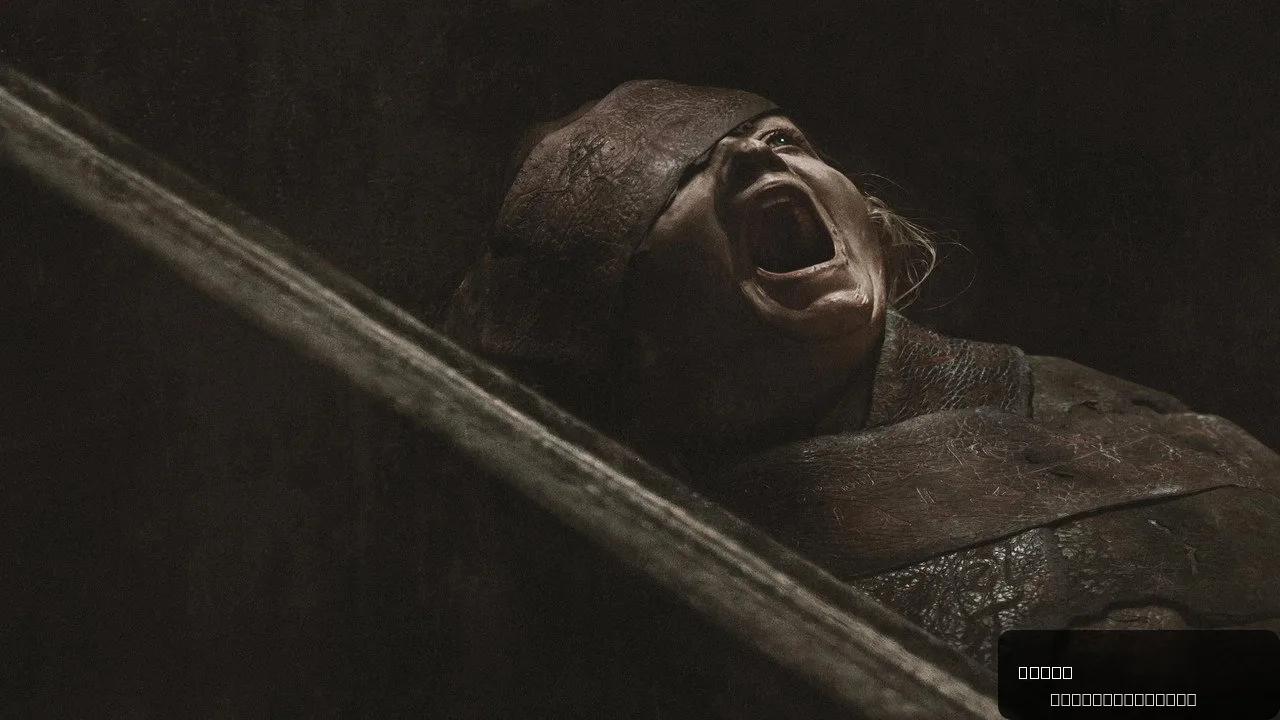
James Wan has 6 titles indexed on Movie OTT, including Mortal Kombat II: The Ultimate Battle for Earthrealm, Lee Cronin's The Mummy, Aquaman and the Lost Kingdom.
Where can I watch James Wan's films?
5 of James Wan's films are currently streaming, available on Max, HBO Max, Netflix, Prime Video.
Has James Wan directed any films?
Yes — James Wan has 3 directorial credits indexed on Movie OTT.
How long has James Wan been active?
James Wan's film career on Movie OTT spans from 2015 to 2026 — 11 years of work.