Actor
Jean-Pierre Léaud
2 films on Movie OTT · Active 1965–1972
Jean-Pierre Léaud is one of the defining screen presences to emerge from postwar French cinema — an actor whose career began in childhood and whose face, over seven decades, became something close to a living document of French film history. Born in Paris on May 28, 1944, he entered the industry not through formal training but through a single audition that changed everything. At fourteen, he was cast by François Truffaut in The 400 Blows (1959), playing Antoine Doinel, a semi-autobiographical surrogate for Truffaut himself. That film won the Best Director prize at Cannes. Léaud didn't just act in it — he inhabited it.
About Jean-Pierre Léaud
Jean-Pierre Léaud is one of the defining screen presences to emerge from postwar French cinema — an actor whose career began in childhood and whose face, over seven decades, became something close to a living document of French film history. Born in Paris on May 28, 1944, he entered the industry not through formal training but through a single audition that changed everything. At fourteen, he was cast by François Truffaut in The 400 Blows (1959), playing Antoine Doinel, a semi-autobiographical surrogate for Truffaut himself. That film won the Best Director prize at Cannes. Léaud didn't just act in it — he inhabited it.
The Doinel cycle is where most people start with Léaud, and it's hard to argue with that instinct. Truffaut returned to the character across five films spanning nearly two decades, following Antoine from adolescence through failed marriages and minor disasters of adult life. What's striking is how Léaud never seems to be performing the passage of time — he just ages through it, awkward and searching in each installment, as though Doinel's confusion about the world was never quite resolved and Léaud understood that better than anyone. The collaboration gave French cinema one of its longest-running character studies, and it gave Léaud a kind of permanence that actors who work across many directors rarely achieve.
He didn't limit himself to Truffaut. Jean-Luc Godard cast him repeatedly through the 1960s and into the 1970s — Masculin Féminin (1966), Made in U.S.A. (1966), La Chinoise (1967) — films that treated Léaud less as a character actor and more as a raw material for ideas, a face that could carry political and philosophical freight without explaining it. That relationship with the French New Wave's two central directors gave Léaud an unusual dual identity: the emotionally transparent boy-man of Truffaut's humanist dramas, and the cooler, more fragmented figure Godard needed for his essays on cinema and ideology. He's one of the few actors who could move between those two sensibilities without the seams showing.
Bernardo Bertolucci pulled him into a different register entirely with Last Tango in Paris (1972), where Léaud appears in a supporting role alongside Marlon Brando and Maria Schneider. His character — a film director conducting a strange, theatrical relationship with Schneider's Jeanne — functions almost as a commentary on Léaud's own persona by that point, the young cinematic man-child now being gently satirized. It's a small role in terms of screen time, but it lands differently when you know the weight Léaud was already carrying from a decade of Doinel. Bertolucci clearly knew what he was doing casting him there.
Hard to say if Léaud ever fully stepped out of the long shadow of those early collaborations, but the later decades of his career suggest he didn't need to. Directors including Olivier Assayas and Albert Serra have sought him out precisely because of what he carries with him — that accumulated history. Serra's The Death of Louis XIV (2016) cast him as the dying French king in a film of extraordinary stillness, and the performance earned him a César nomination. He's worked consistently into his seventies and eighties, and the roles have grown stranger, more austere. Not a retirement, not a victory lap. Just continued work, on his own terms.
Currently streaming
1 of 2 on platforms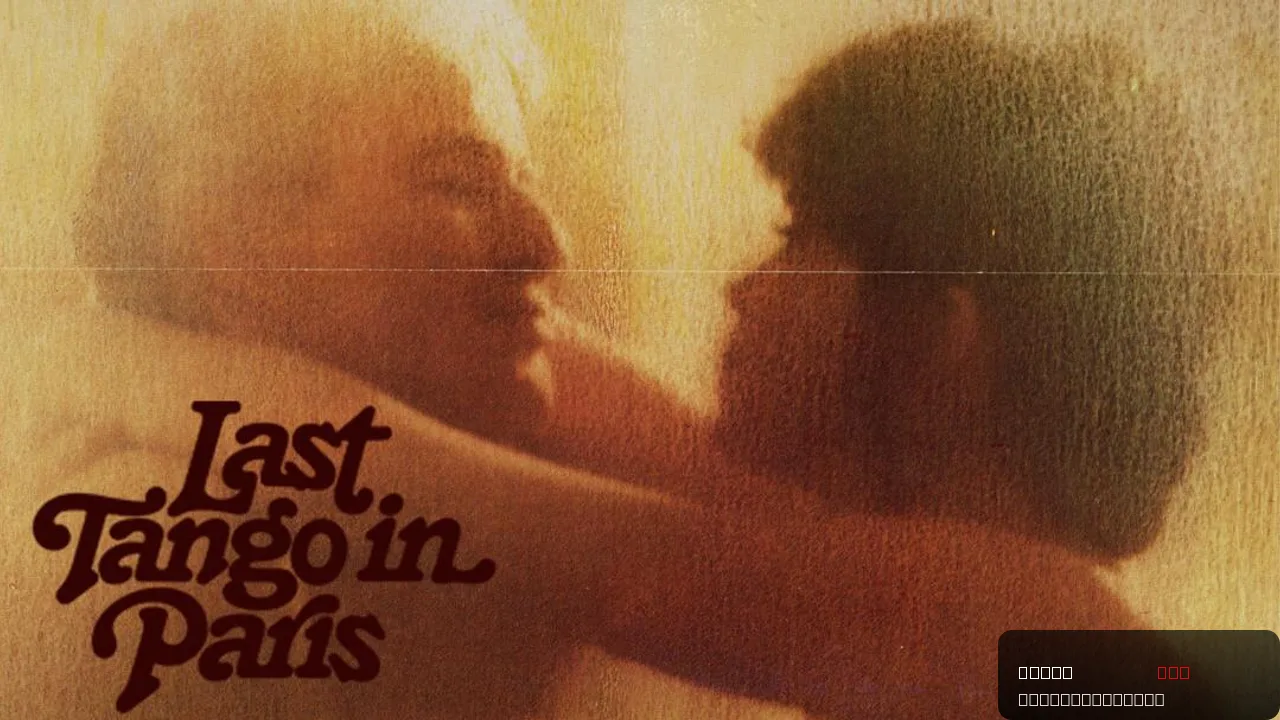
Filmography

Frequently asked questions
When and where was Jean-Pierre Léaud born?
Jean-Pierre Léaud was born 1944-05-28 in Paris, France.
What films is Jean-Pierre Léaud known for?
Jean-Pierre Léaud has 2 titles indexed on Movie OTT, including Last Tango in Paris, Alphaville.
Where can I watch Jean-Pierre Léaud's films?
1 of Jean-Pierre Léaud's films are currently streaming, available on Prime Video.
How long has Jean-Pierre Léaud been active?
Jean-Pierre Léaud's film career on Movie OTT spans from 1965 to 1972 — 7 years of work.