Filmmaker
Julia Loktev
1 film on Movie OTT · 1 as director
Julia Loktev is a Russian-born American filmmaker whose work sits at the far edge of what narrative cinema usually tolerates — slow, pressurized, often wordless stretches of time that force a viewer to sit inside a situation rather than observe it from a comfortable distance. Born on December 12, 1969, in Leningrad (now Saint Petersburg), she emigrated to the United States and came up through the American independent scene, eventually building a body of work small enough to count on one hand but precise enough that each film lands like a deliberate argument about what movies can do.
About Julia Loktev
Julia Loktev is a Russian-born American filmmaker whose work sits at the far edge of what narrative cinema usually tolerates — slow, pressurized, often wordless stretches of time that force a viewer to sit inside a situation rather than observe it from a comfortable distance. Born on December 12, 1969, in Leningrad (now Saint Petersburg), she emigrated to the United States and came up through the American independent scene, eventually building a body of work small enough to count on one hand but precise enough that each film lands like a deliberate argument about what movies can do.
Her breakthrough came with Day Night Day Night (2006), a film that follows a young woman preparing to carry out a suicide bombing in Times Square — and that's where Loktev's instincts announced themselves fully. There's almost no backstory, no ideology explained, no motive handed to the audience. Just the ritual of preparation, the texture of a hotel room, the strange mundanity of violence waiting to happen. It's an uncomfortable watch, which is clearly the point. The film screened at Cannes in the Un Certain Regard section and drew serious critical attention, not because it made things easy but precisely because it didn't.
The Loneliest Planet (2011) pushed that approach further. Shot in Georgia (the country, not the state — worth clarifying because the landscape is central to everything), it follows a couple backpacking through the Caucasus mountains with a local guide, and a single moment about halfway through the film — a split-second physical reflex — quietly dismantles the relationship we've been watching. Loktev doesn't explain it. She just lets the silence that follows do its work over the remaining runtime. What's striking is how much emotional information she extracts from people walking, from the space between bodies, from the way a conversation can just stop. Gael García Bernal and Hani Furstenberg carry the film, and Furstenberg in particular does something remarkable with very little dialogue. The film confirmed that Loktev wasn't interested in conventional dramatic architecture — she was building something else entirely.
Her films don't come quickly. Long gaps between projects. That pace seems intentional rather than circumstantial, given how controlled the finished work always appears. She tends to work in real locations with small crews, and her documentary background (her earlier work Moment of Impact, 1998, documented her father's recovery from a car accident) clearly shaped how she approaches the real world as raw material — not as backdrop but as subject.
My Undesirable Friends: Part I — Last Air in Moscow (2025) marks her return after more than a decade away from feature filmmaking, and the title alone signals a shift in register. The project draws on the lives of independent journalists in Russia — people working under conditions that are, to put it plainly, dangerous. Hard to say if this is a strict documentary or something more hybrid, which seems fitting for a filmmaker who has always resisted clean genre labels. That it arrives in 2025, given the current state of press freedom in Russia, gives it a weight that exists before a single frame is screened.
Loktev remains one of the more genuinely singular voices working in American independent film, even if her output makes her easy to overlook in a landscape that rewards volume. My Undesirable Friends: Part I — Last Air in Moscow suggests she's moving toward more explicitly political territory, though knowing her work, the politics will arrive through atmosphere and accumulation rather than argument.
Currently streaming
1 of 1 on platforms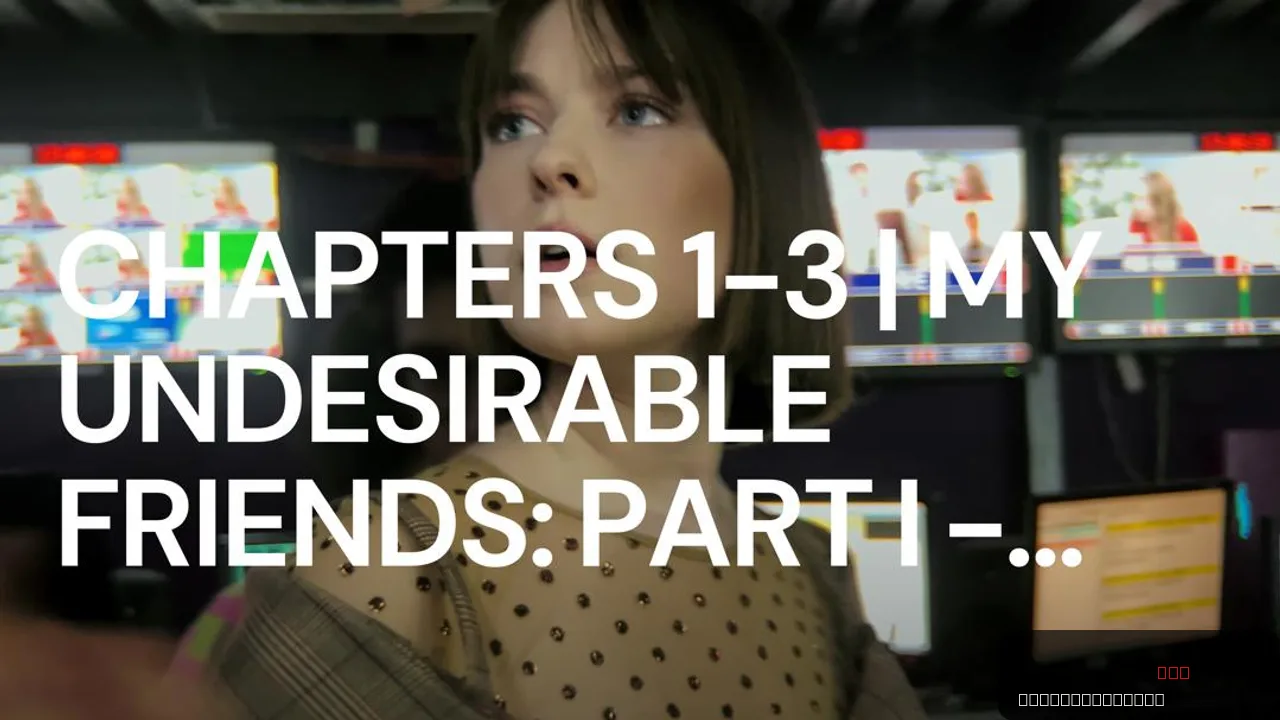
Filmography
Frequently asked questions
When and where was Julia Loktev born?
Julia Loktev was born 1969-12-12 in Leningrad, USSR (now Saint Petersburg, Russia).
What films is Julia Loktev known for?
Julia Loktev has 1 title indexed on Movie OTT, including My Undesirable Friends: Part I - Last Air in Moscow.
Where can I watch Julia Loktev's films?
1 of Julia Loktev's films are currently streaming, available on MUBI.
Has Julia Loktev directed any films?
Yes — Julia Loktev has 1 directorial credit indexed on Movie OTT.