Filmmaker
Kashou Iizuka
1 film on Movie OTT · 1 as director
Kashou Iizuka emerged as a directing voice in Japanese independent cinema during the mid-2010s, a period when digital production tools were democratizing feature filmmaking and allowing younger creators to bypass traditional studio gatekeeping. His early work caught attention on the festival circuit, particularly among programmers drawn to his formal restraint and willingness to sit with uncomfortable silences in dialogue-heavy narratives. What set Iizuka apart from peers working in similar registers wasn't technical showiness but rather a kind of compositional patience, a refusal to underline emotional beats that most directors would've telegraphed three scenes earlier. By the time his work began circulating internationally through streaming platforms and retrospective programming, he'd already established himself as someone worth tracking for anyone paying attention to the state of non-commercial Japanese cinema.
About Kashou Iizuka
Kashou Iizuka emerged as a directing voice in Japanese independent cinema during the mid-2010s, a period when digital production tools were democratizing feature filmmaking and allowing younger creators to bypass traditional studio gatekeeping. His early work caught attention on the festival circuit, particularly among programmers drawn to his formal restraint and willingness to sit with uncomfortable silences in dialogue-heavy narratives. What set Iizuka apart from peers working in similar registers wasn't technical showiness but rather a kind of compositional patience, a refusal to underline emotional beats that most directors would've telegraphed three scenes earlier. By the time his work began circulating internationally through streaming platforms and retrospective programming, he'd already established himself as someone worth tracking for anyone paying attention to the state of non-commercial Japanese cinema.
His directorial output, though selective, demonstrates a consistent interest in character study and social observation. Blue Boy Trial, released in 2025, represents his most recent completed feature and signals a possible shift toward more overtly narrative-driven material, though the full scope of that project remains to be assessed by wider audiences. The deliberate pacing Iizuka favors doesn't always translate to mainstream success, and that's partly the point. His films aren't built to maximize engagement metrics or secure premium placement on algorithmic feeds. They're built for people who'll sit through a scene of two characters barely speaking, watching light move across a room, because something true is happening in that stillness.
The directing landscape in Japan over the past decade has fractured into increasingly visible camps: commercial tent-pole production, anime adaptation, and the smaller ecosystem of independent features that don't fit either category. Iizuka's work occupies that third space, the one that doesn't always get funding, that plays to half-full theaters at regional film festivals, that finds its audience through word-of-mouth and programming decisions made by curators rather than studios. His emergence coincided with a period when streaming platforms started acquiring festival selections more aggressively, creating a strange new distribution pathway for work that wouldn't have reached viewers outside Japan's major cities five years prior.
What's striking about Iizuka's approach is how he seems genuinely uninterested in the kind of stylistic flourishes that announce directorial presence. No showy camera moves, no color grading designed to be immediately recognizable, no music cues that do the emotional labor for you. That restraint can read as cold if you're not tuned to it, and honestly, some viewers won't be. But for those who are, there's something almost radical about a director willing to trust his audience's attention span in an era when most filmmakers assume they've lost it by the third minute. His work suggests he's betting on the possibility that viewers still exist who want to watch people figure things out in real time, without a soundtrack telling them how to feel about it.
Blue Boy Trial marks a point where Iizuka's career trajectory becomes harder to predict. Whether he'll continue as a festival-oriented director, whether he'll attempt a more commercially accessible project, whether the international attention his recent work has attracted will change his approach—none of that's clear yet. What is clear is that he's built a body of work that doesn't apologize for its slowness or its skepticism toward easy answers. In a directing landscape crowded with people trying to get your attention, Iizuka's bet on your patience feels like a small act of faith.
Currently streaming
1 of 1 on platforms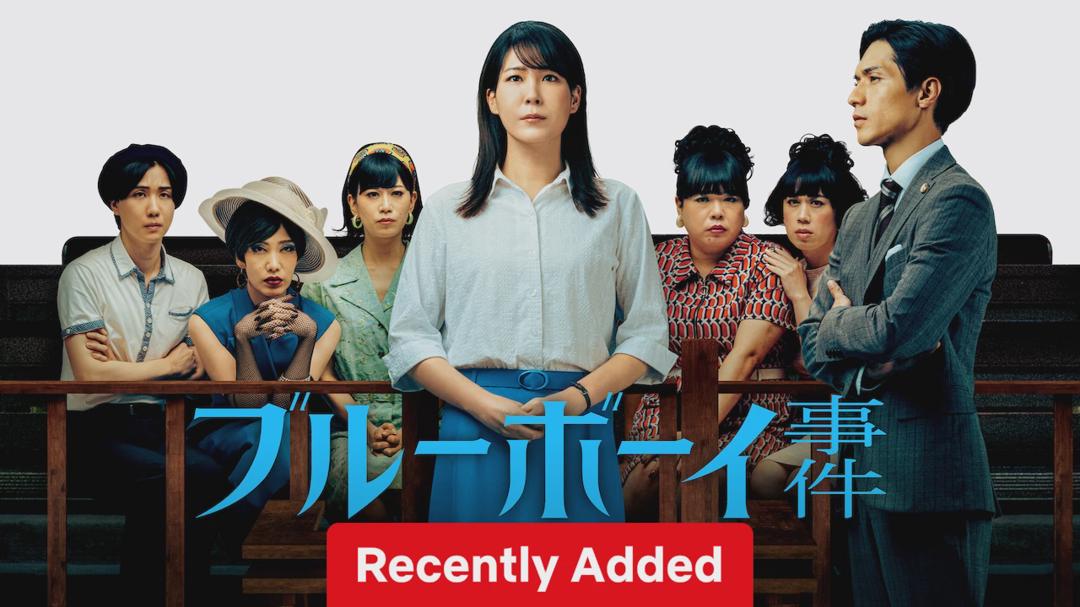
Filmography
Frequently asked questions
What films is Kashou Iizuka known for?
Kashou Iizuka has 1 title indexed on Movie OTT, including Blue Boy Trial.
Where can I watch Kashou Iizuka's films?
1 of Kashou Iizuka's films are currently streaming, available on Netflix.
Has Kashou Iizuka directed any films?
Yes — Kashou Iizuka has 1 directorial credit indexed on Movie OTT.