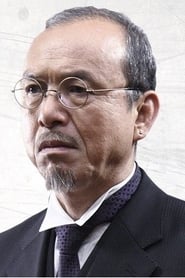
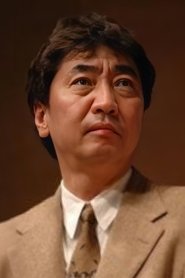
Actor
Kazunori Ito
5 films on Movie OTT · Active 1984–1999
Kazunori Ito is one of anime's most consequential screenwriters — a behind-the-scenes architect whose fingerprints are on some of the medium's most intellectually demanding work. Born December 24, 1954, in Yamagata, Japan (TMDB), he's spent four decades shaping the kind of science fiction that doesn't let you off easy. Ghost in the Shell. Patlabor. The Gamera trilogy. Not a bad résumé.
About Kazunori Ito
Kazunori Ito is one of anime's most consequential screenwriters — a behind-the-scenes architect whose fingerprints are on some of the medium's most intellectually demanding work. Born December 24, 1954, in Yamagata, Japan (TMDB), he's spent four decades shaping the kind of science fiction that doesn't let you off easy. Ghost in the Shell. Patlabor. The Gamera trilogy. Not a bad résumé.
What's striking is how consistently Ito gravitates toward stories that sit at the intersection of identity, technology, and what it means to be human — themes that felt provocative in 1995 and feel almost prophetic now. His screenplay for Mamoru Oshii's 1995 Ghost in the Shell is arguably the work he'll always be measured against, and Helen McCarthy, writing in 500 Essential Anime Movies, called him "one of the best screenwriters in anime" (Wikipedia). That's not a throwaway compliment in a field that critics often treat as a footnote to Western animation.
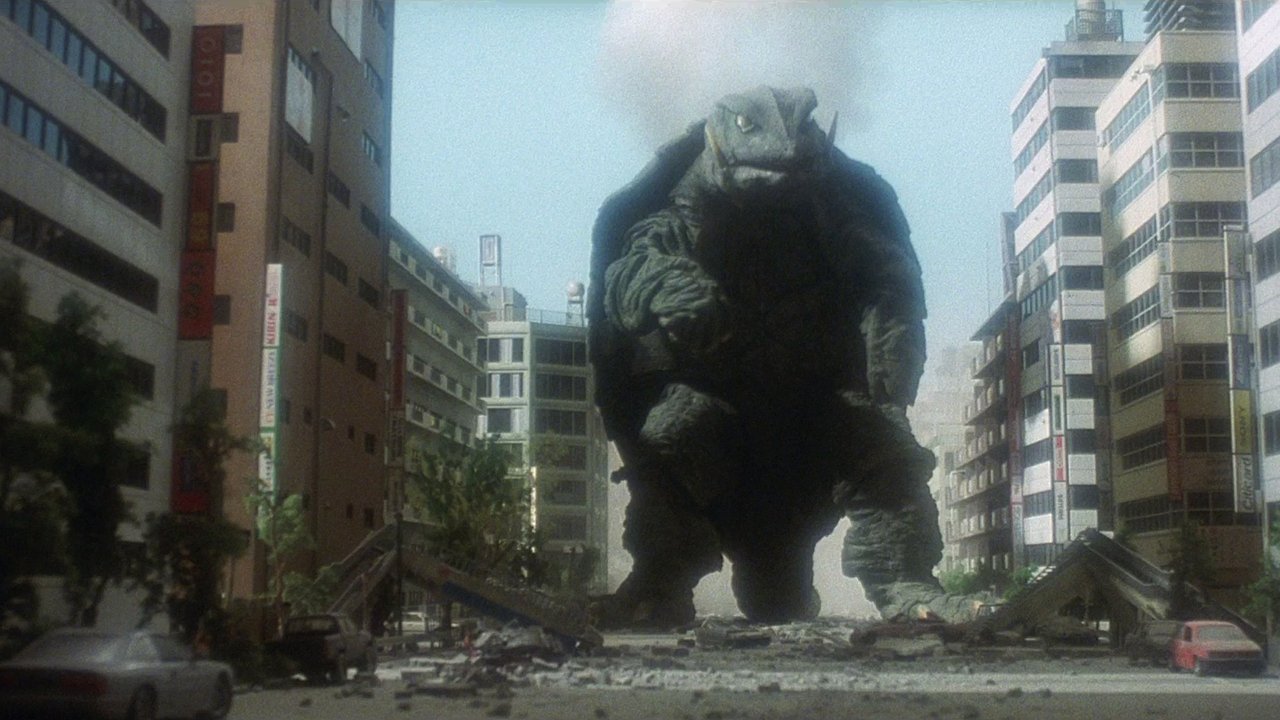
Ito is also a founding member of Headgear — the five-person creative collective (alongside Masami Yuki, Yutaka Izubuchi, Akemi Takada, and Mamoru Oshii) that gave the world Mobile Police Patlabor (TMDB). The group's collaborative model was unusual for the industry, and it's worth noting that Ito's work across kaiju cinema, including all three entries of Shusuke Kaneko's Gamera trilogy, shows a writer who doesn't stay in one lane. His love of classic tokusatsu clearly wasn't just nostalgia — it was research (TMDB).
Early life & background
Kazunori Ito was born on December 24, 1954, in Yamagata, Japan (TMDB). Beyond his birthplace and date, detailed records of his early family background or formal education aren't widely documented in available public sources. What the record does show is that by the early 1980s he was already working in the anime industry, contributing to Urusei Yatsura — suggesting he came up through the professional pipeline relatively young (Wikipedia). Hard to say if there was a single formative influence, though his later enthusiasm for classic tokusatsu hints at a childhood spent watching kaiju films the way a lot of kids in postwar Japan did.
Career
Cite this page
For Wikipedia, journalism, or academic references — copy the citation below:
Movie OTT. "Kazunori Ito." Accessed Sep 19, 2026. https://movieott.com/talent/kazunori-itoCross-references: Wikipedia
Last updated July 7, 2026 · Sources: tmdb+wikipedia+perplexity+tmdb-credits+ai-claude
Filmography
Frequently asked questions
What films is Kazunori Ito known for?
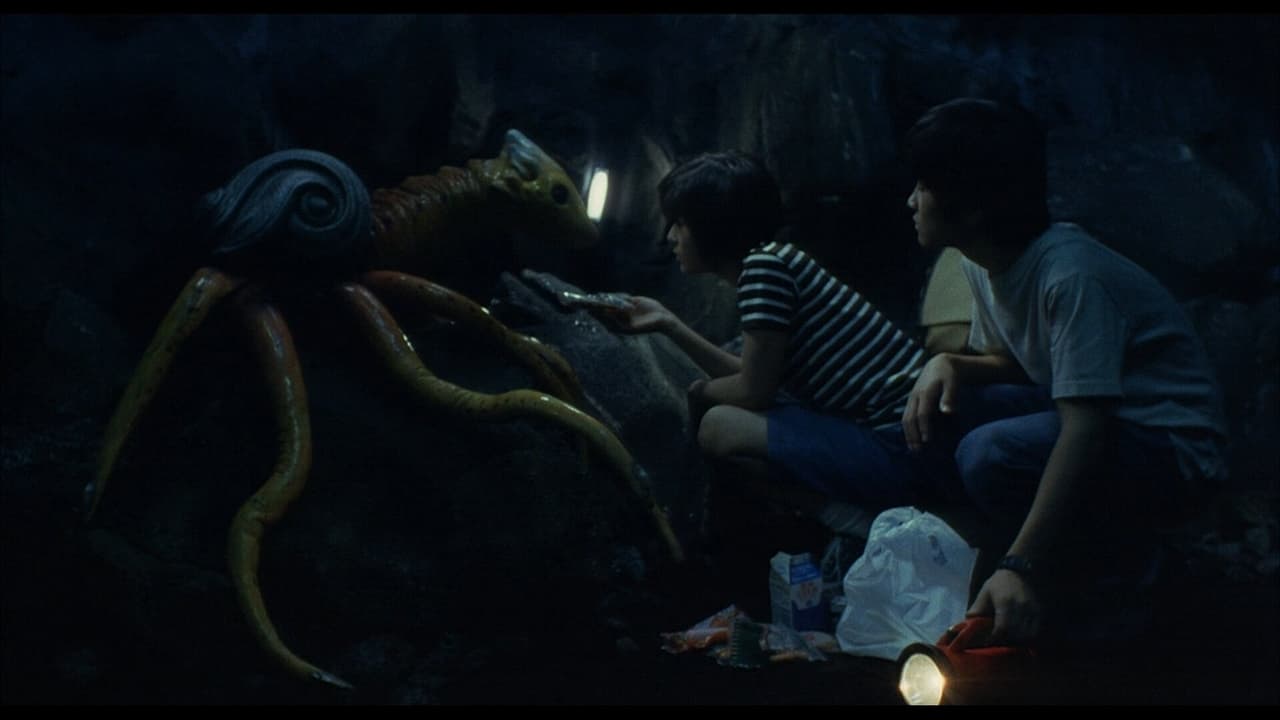
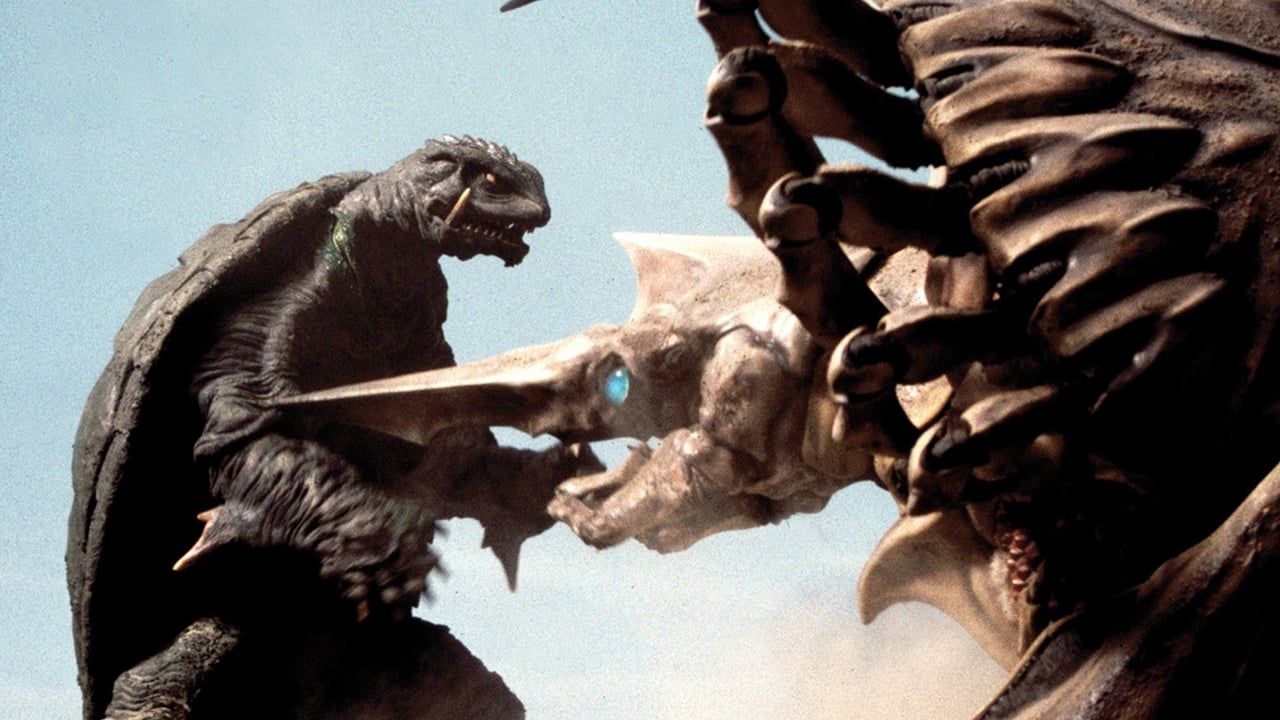
Kazunori Ito has 5 titles indexed on Movie OTT, including Gamera 3: Revenge of Iris, Gamera 2: Attack of Legion, Gamera: Guardian of the Universe.
How long has Kazunori Ito been active?
Kazunori Ito's film career on Movie OTT spans from 1984 to 1999 — 15 years of work.