Actor
KIDO Shiro
2 films on Movie OTT · Active 2014–2016
Shirō Kido (城戸四郎) wasn't an actor — and that mix-up matters, because the real man was something far more consequential to Japanese cinema. Born Shirō Kitamura on August 11, 1894, Kido spent decades reshaping what Japanese film could be, first as a driving force at Shōchiku Studios and later as its president (Wikipedia documents his tenure beginning in 1924, with the presidency coming in 1954). What's striking is how little Western streaming guides acknowledge him, even as his fingerprints are all over the films that defined an era. He held that presidential role until his death on April 18, 1977 (Wikipedia).
About KIDO Shiro
Shirō Kido (城戸四郎) wasn't an actor — and that mix-up matters, because the real man was something far more consequential to Japanese cinema. Born Shirō Kitamura on August 11, 1894, Kido spent decades reshaping what Japanese film could be, first as a driving force at Shōchiku Studios and later as its president (Wikipedia documents his tenure beginning in 1924, with the presidency coming in 1954). What's striking is how little Western streaming guides acknowledge him, even as his fingerprints are all over the films that defined an era. He held that presidential role until his death on April 18, 1977 (Wikipedia).
Kido's name is most durably attached to Madamu to Nyōbō — The Neighbor's Wife and Mine — the 1931 production widely recognized as Japan's first fully spoken film (Wikipedia). That's not a footnote. That's a turning point. He didn't just greenlight the project; he was instrumental in pushing early sound technology into Japanese production pipelines at a moment when most studios were still hedging their bets on silent pictures. His producing credits also include Chanbara Fūfu (1930) and The Loyal 47 Ronin (1939), a film that drew on one of Japan's most enduring historical narratives (MUBI).
One wrinkle worth flagging: some databases conflate Kido with a character bearing his name — actor Kôji Ishizaka played a fictionalized Shiro Kido in the 1987 film Actress (IMDb). That's almost certainly the source of the confusion on certain cast-listing platforms. The man himself never appeared on screen.
Early life & background
Shirō Kido was born on August 11, 1894, under the name Shirō Kitamura (北村四郎) — the name change came later, though the exact circumstances aren't fully documented in available sources. Hard to say if there's a more detailed record of his early years in Japanese-language scholarship that hasn't made it into Western sources yet. What the record does confirm is that by 1924, he was already embedded at Shōchiku Studios in a directorial capacity (Wikipedia), suggesting he came up through the industry during the silent film period — a formative context for anyone who'd later champion the transition to sound.
Career
Cite this page
For Wikipedia, journalism, or academic references — copy the citation below:
Movie OTT. "KIDO Shiro." Accessed Sep 20, 2026. https://movieott.com/talent/kido-shiroLast updated July 8, 2026 · Sources: tmdb+perplexity+tmdb-credits+ai-claude
Filmography
Frequently asked questions
What films is KIDO Shiro known for?
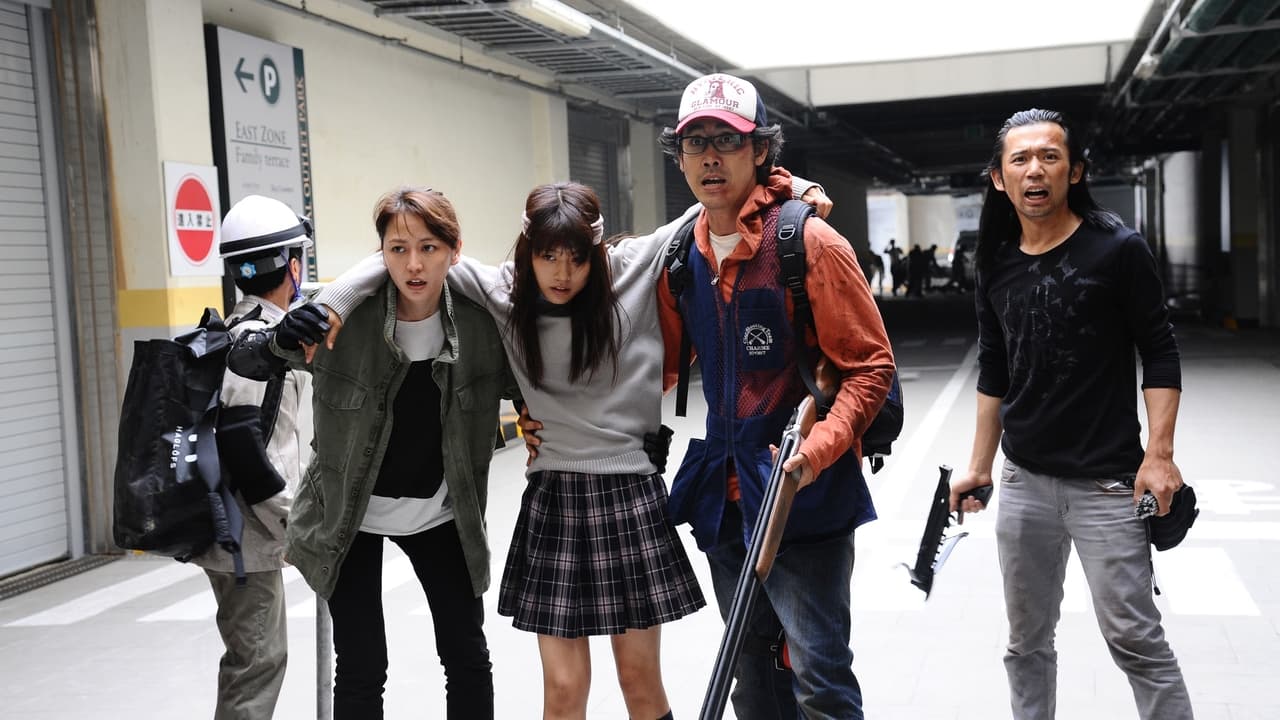
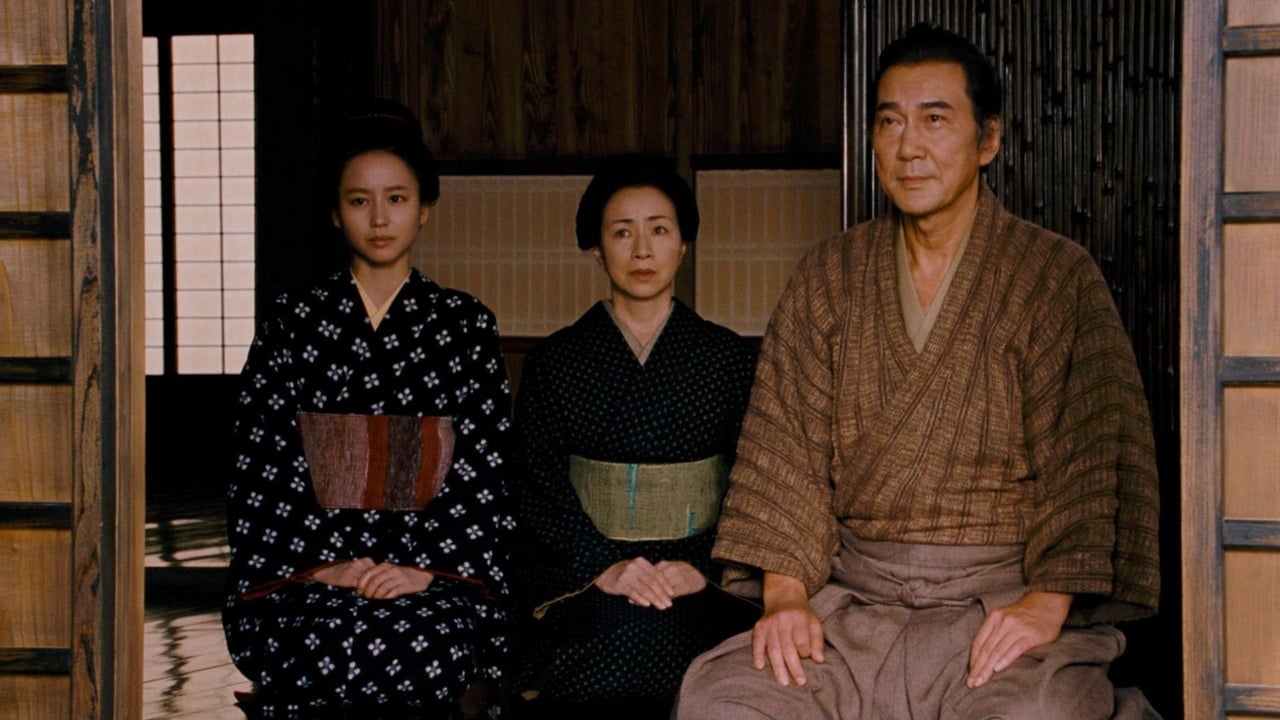
KIDO Shiro has 2 titles indexed on Movie OTT, including I Am a Hero, A Samurai Chronicle.