Actor
Lee Je-hoon
5 films on Movie OTT · Active 2009–2025
Lee Je-hoon is a South Korean actor born on July 4, 1984, in Seoul, whose career spans film and television with a consistency that has made him one of the more reliable leading men working in Korean screen entertainment today. He trained formally in acting and built his early reputation through stage work before transitioning to screen roles, a grounding that shows in the physical precision and emotional restraint he brings to characters that might otherwise tip into melodrama. He is perhaps best known internationally for his long-running television work, but his film output tells an equally interesting story about an actor willing to take on genre material without losing a sense of craft.
About Lee Je-hoon
Lee Je-hoon is a South Korean actor born on July 4, 1984, in Seoul, whose career spans film and television with a consistency that has made him one of the more reliable leading men working in Korean screen entertainment today. He trained formally in acting and built his early reputation through stage work before transitioning to screen roles, a grounding that shows in the physical precision and emotional restraint he brings to characters that might otherwise tip into melodrama. He is perhaps best known internationally for his long-running television work, but his film output tells an equally interesting story about an actor willing to take on genre material without losing a sense of craft.
His breakthrough came through a combination of independent film recognition and mainstream television exposure in the early 2010s. The period around 2011 and 2012 was particularly formative. His performance in the film Bleak Night, a tightly constructed drama about grief, guilt, and the social pressures that fracture adolescent friendships, earned serious critical attention and signaled that he was capable of carrying emotionally demanding material without leaning on conventional screen charisma. That film positioned him as someone worth watching in a crowded field of young Korean actors, and the industry responded accordingly. Television roles followed that gave him wider audience reach, but the film work remained the sharper indicator of his range.
His career through the mid-2010s showed a willingness to work across registers. He moved between quieter character-driven pieces and more commercially oriented projects, which is a balance that sustains a screen career over time rather than burning it out on a single defining moment. The television drama Signal, in which he played a detective communicating across time via a radio, became one of the more discussed Korean genre productions of 2016 and broadened his profile considerably outside South Korea. It demonstrated something that runs through much of his best work: an ability to anchor high-concept or genre-inflected material with a performance grounded enough to make the implausible feel earned. His collaborations with writers and directors who favor procedural frameworks and moral ambiguity have shaped a recognizable corner of his output, and he has returned to crime and investigative genres repeatedly without the work feeling repetitive.
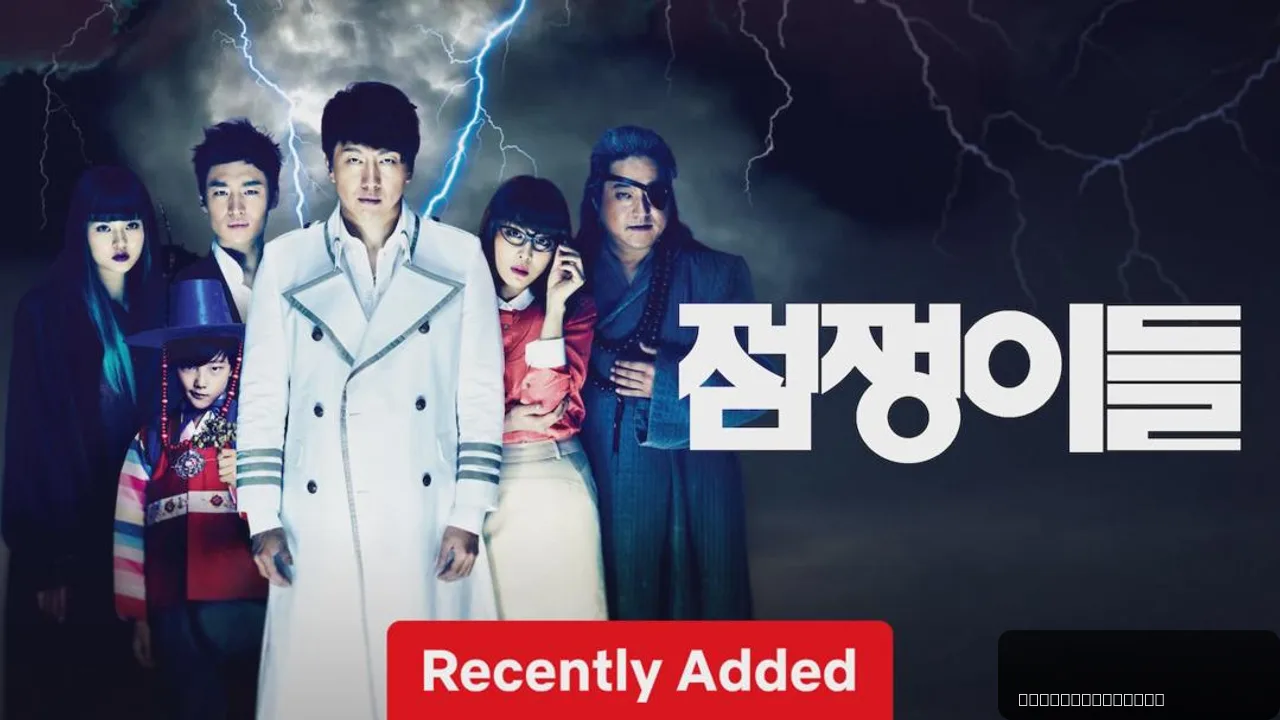
The 2012 supernatural comedy Ghost Sweepers represents an earlier moment in that genre engagement. The film, a broad ensemble piece built around the premise of a team hunting and exorcising spirits, placed him in lighter commercial territory than Bleak Night, and the contrast between the two projects from the same year illustrates the range he was already demonstrating. Ghost Sweepers is not a film that makes heavy demands on its cast in dramatic terms, but it required physical timing and a willingness to commit to absurdist material — qualities that translate across genres. His presence in a film like that, alongside his more serious work from the same period, suggests an actor who understood early that versatility keeps a career moving.
More recently, he has continued to anchor high-profile television productions while maintaining a film presence. The drama Move to Heaven, in which he played a man helping a young relative run a trauma cleanup service, drew strong responses for its emotional directness and its treatment of grief as something ordinary people carry without ceremony. It is the kind of project that works because the lead performance refuses sentimentality while still allowing the material its weight. As Korean content has reached wider global audiences through streaming platforms, his work has found viewers well beyond the domestic market. He remains an actor whose choices tend toward substance over spectacle, and whose filmography, taken as a whole, reflects a career built on accumulation rather than a single defining peak.
Currently streaming
3 of 5 on platforms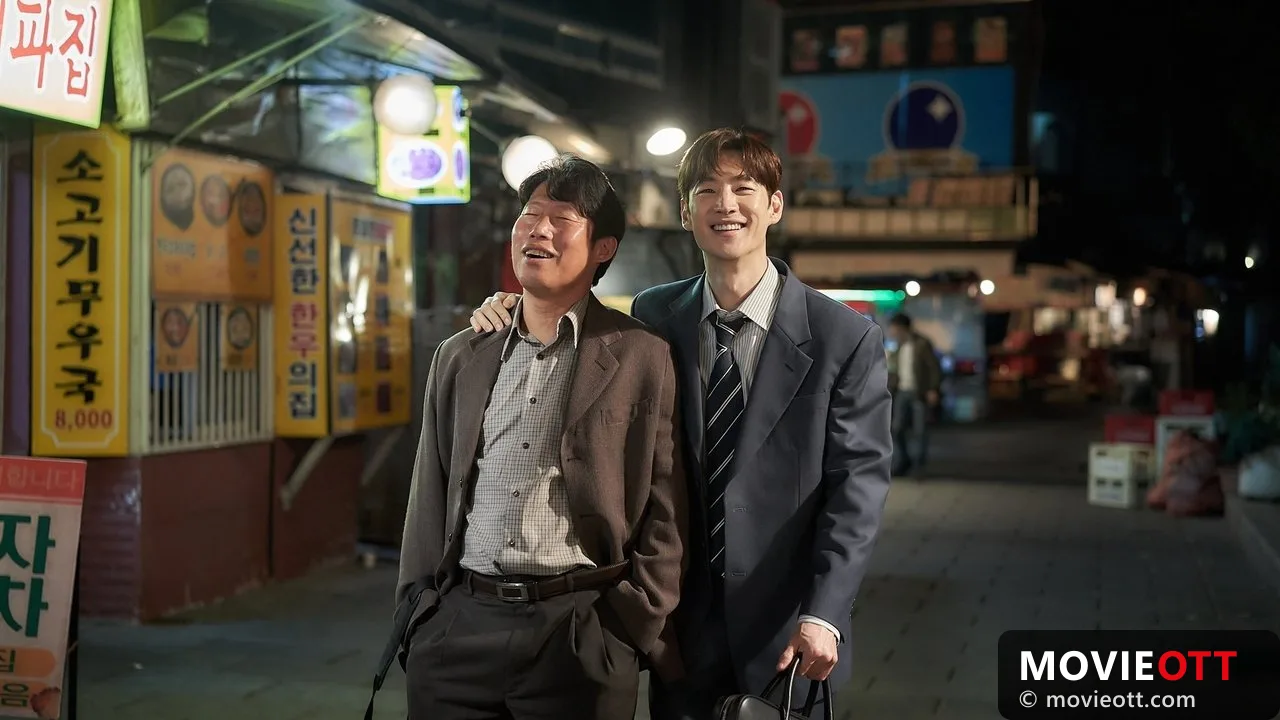
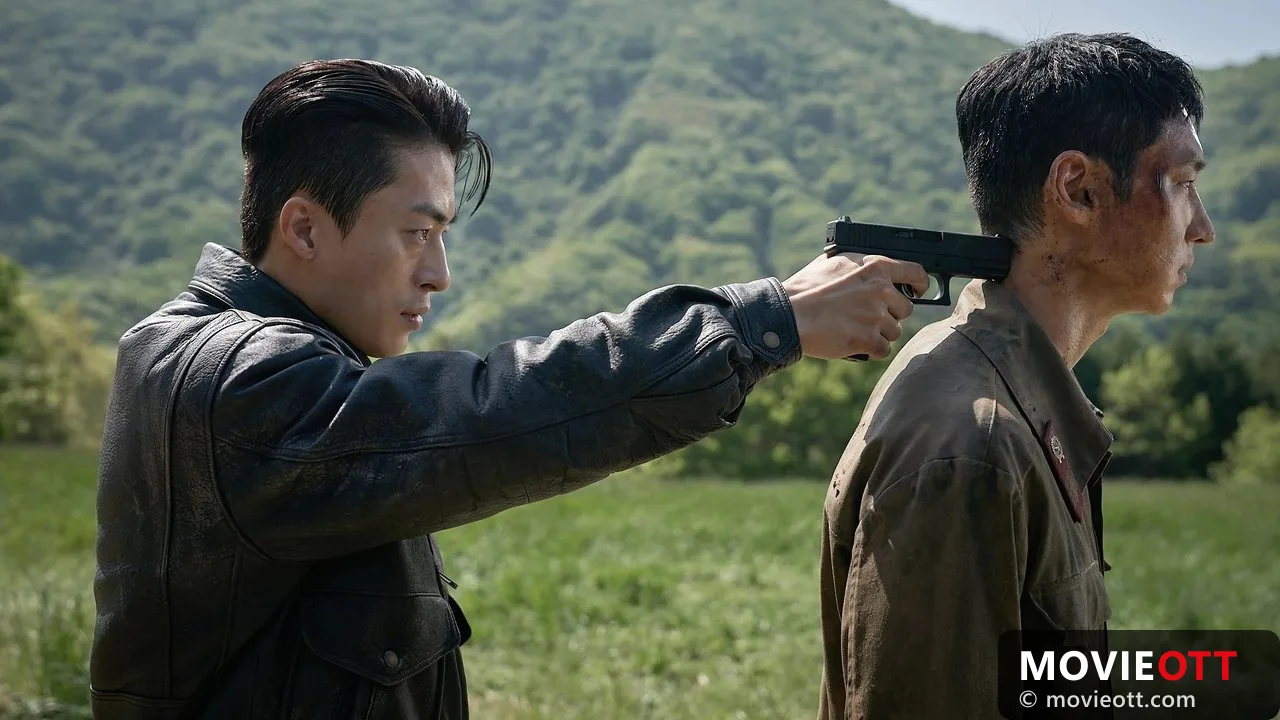
Filmography

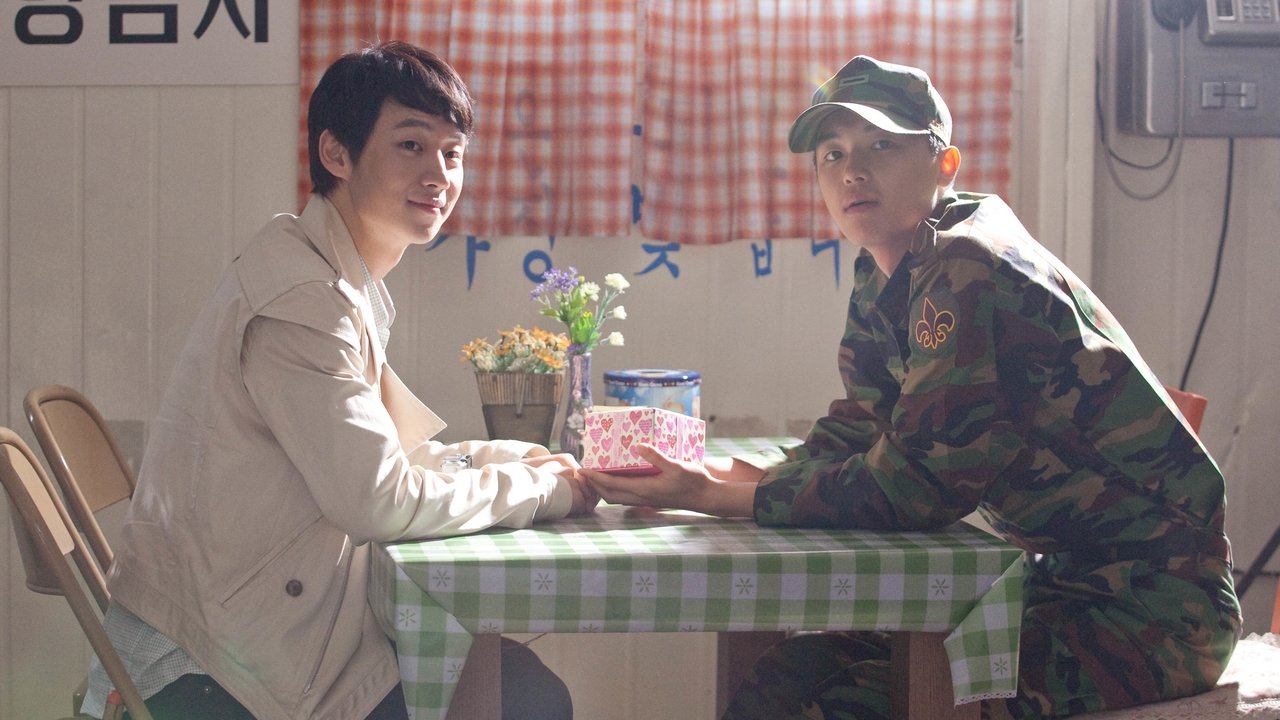
Frequently asked questions
When and where was Lee Je-hoon born?
Lee Je-hoon was born 1984-07-04 in Seoul, South Korea.
What films is Lee Je-hoon known for?
Lee Je-hoon has 5 titles indexed on Movie OTT, including Big Deal, Escape, My Paparotti.
Where can I watch Lee Je-hoon's films?
3 of Lee Je-hoon's films are currently streaming, available on Prime Video, Netflix, The Roku Channel, Tubi TV.
How long has Lee Je-hoon been active?
Lee Je-hoon's film career on Movie OTT spans from 2009 to 2025 — 16 years of work.