Filmmaker
Lewis Teague
2 films on Movie OTT · 2 as director · Active 1989–1990
Lewis Teague is an American film director born on March 8, 1938, in Brooklyn, New York City, whose career spans the transition from low-budget exploitation cinema to mainstream Hollywood action pictures. He came up through the ranks of the film industry in an era when directors often learned their craft by doing — cutting their teeth on second-unit work, editing, and the kind of scrappy genre productions that demanded versatility over prestige. That background gave Teague a technical fluency that would serve him well across wildly different material, from Stephen King adaptations to big-budget military thrillers.
About Lewis Teague
Lewis Teague is an American film director born on March 8, 1938, in Brooklyn, New York City, whose career spans the transition from low-budget exploitation cinema to mainstream Hollywood action pictures. He came up through the ranks of the film industry in an era when directors often learned their craft by doing — cutting their teeth on second-unit work, editing, and the kind of scrappy genre productions that demanded versatility over prestige. That background gave Teague a technical fluency that would serve him well across wildly different material, from Stephen King adaptations to big-budget military thrillers.
Teague's defining moment as a director came in the early 1980s when he delivered two back-to-back genre films that demonstrated genuine command of tension and pacing. Cujo (1983), his adaptation of Stephen King's novel about a rabid Saint Bernard trapping a mother and child in a car, stripped the horror down to something almost unbearably claustrophobic. It worked not because of elaborate set pieces but because Teague committed to the physical and psychological reality of the situation. The following year he directed Cat's Eye (1985), another King anthology piece, which showed he could handle tonal variety within a single production — moving between dark comedy, genuine dread, and pulpy fun without losing the audience. These two films remain the work most associated with his name, and they hold up as efficient, well-crafted examples of mainstream horror from a decade that produced a great deal of both the best and worst the genre has offered.
Before the King adaptations, Teague had worked within the Roger Corman production ecosystem, which shaped an entire generation of American genre filmmakers. That training instilled a pragmatism about resources and a respect for momentum — the understanding that a scene needs to move, that audiences will forgive a lot if a film never stops driving forward. His 1980 film Alligator, a creature feature written by John Sayles, carried exactly that sensibility: a tight premise executed with more wit and craft than the material strictly required. Teague understood how to work within genre conventions while finding the specific detail or performance beat that lifts a film above formula. His collaborations with writers who brought genuine ideas to genre frameworks — Sayles being the clearest example — suggest a director who valued the script as a foundation rather than an obstacle.
His career moved into larger-scale action territory as the 1980s closed, culminating in Navy SEALs (1990), a Charlie Sheen and Michael Biehn vehicle that placed him squarely within the era's appetite for military action cinema. Navy SEALs is a product of its moment — kinetic, unapologetically commercial, built around the appeal of elite soldiers and high-stakes operations in a pre-Gulf War geopolitical landscape. Teague handled the action sequences with the same directness he brought to his horror work: no excess, no confusion about geography or stakes, just clean execution of the genre's core promises. The film performed solidly and confirmed that Teague could operate at the studio level without losing the efficiency that defined his earlier work.
Teague also spent a significant portion of his career working in television, directing episodes across a range of series at a time when the line between feature directors and television work was more fluid than it later became. This body of work, less visible than his theatrical films but substantial in volume, reflects the pragmatic professionalism that runs through everything he has made. He belongs to a generation of American craftsmen directors — not auteurs in the critical sense, not stars of the press circuit, but filmmakers whose understanding of genre mechanics and audience expectations produced work that holds its own decades later. Cujo and Navy SEALs sit at opposite ends of his register, but both demonstrate the same underlying discipline: know what kind of film you are making, and make it well.
Currently streaming
1 of 2 on platforms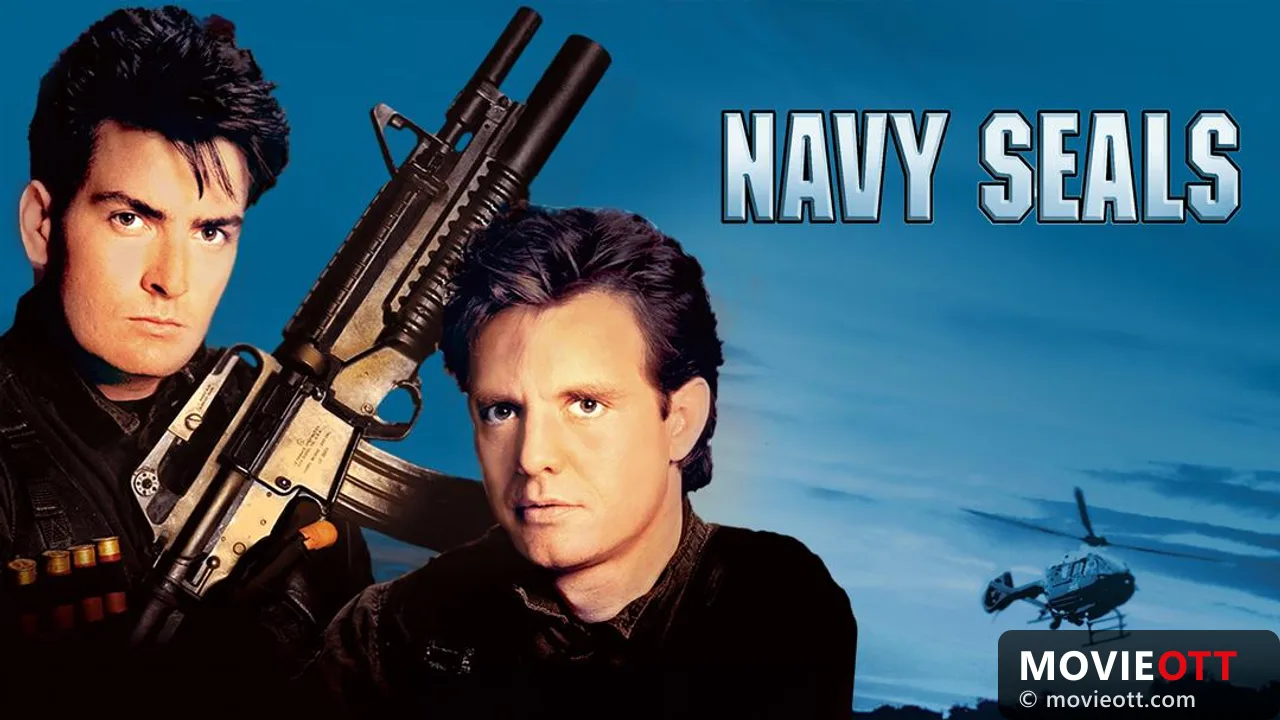
Filmography
Frequently asked questions
When and where was Lewis Teague born?
Lewis Teague was born 1938-03-08 in Brooklyn, New York City, New York, USA.
What films is Lewis Teague known for?
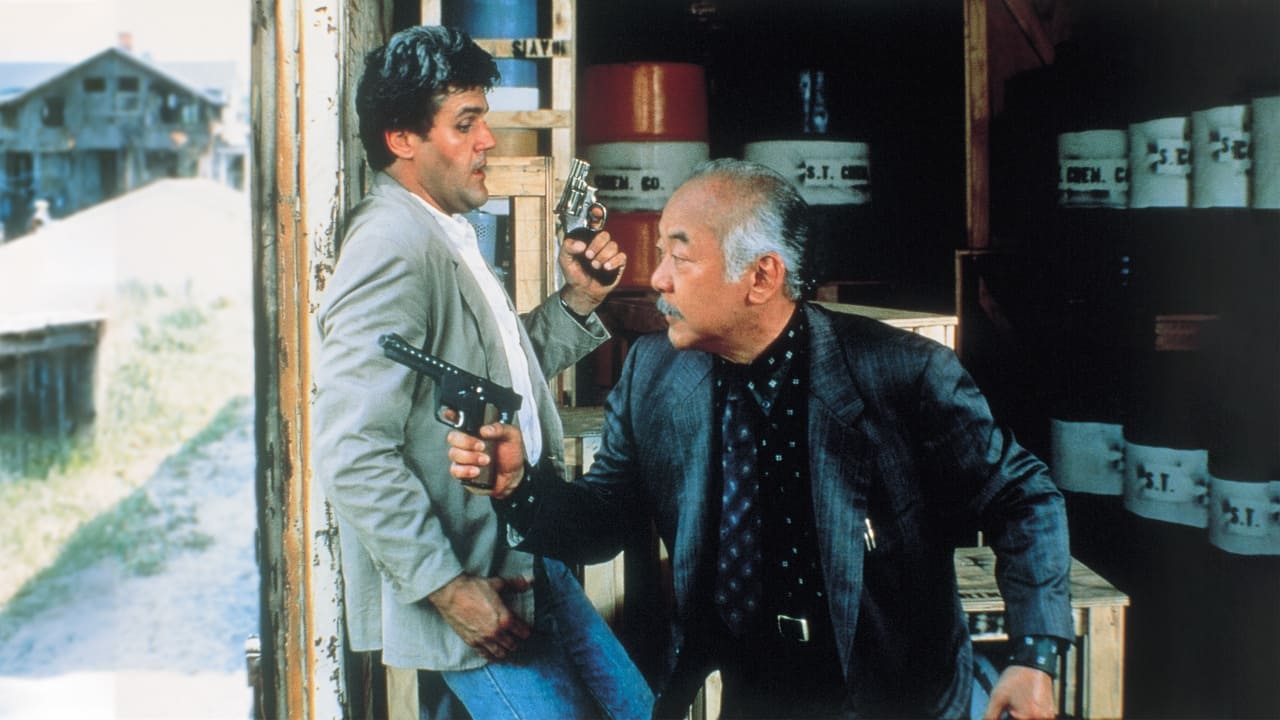
Lewis Teague has 2 titles indexed on Movie OTT, including Navy Seals, Collision Course.
Where can I watch Lewis Teague's films?
1 of Lewis Teague's films are currently streaming, available on Prime Video.
Has Lewis Teague directed any films?
Yes — Lewis Teague has 2 directorial credits indexed on Movie OTT.