Actor
Marc Cerrone
3 films on Movie OTT
Marc Cerrone — full name Jean-Marc Cerrone — isn't just a disco relic. He's one of the architects of a sound that rewired European nightlife in the late 1970s, and the fact that his records still turn up in DJ sets and film soundtracks decades later says something real about their staying power. Born May 24, 1952, in Vitry-sur-Seine, Val-de-Marne, France (TMDB), Cerrone came up fast: orchestra leader at a Club Méditerranée by age 18, then signed to French producer Barclay's label by 20 (TMDB). That's a steep early climb for anyone.
About Marc Cerrone
Marc Cerrone — full name Jean-Marc Cerrone — isn't just a disco relic. He's one of the architects of a sound that rewired European nightlife in the late 1970s, and the fact that his records still turn up in DJ sets and film soundtracks decades later says something real about their staying power. Born May 24, 1952, in Vitry-sur-Seine, Val-de-Marne, France (TMDB), Cerrone came up fast: orchestra leader at a Club Méditerranée by age 18, then signed to French producer Barclay's label by 20 (TMDB). That's a steep early climb for anyone.
What's striking is how deliberately he chased the international market. Alongside Giorgio Moroder, Cerrone helped plant Europe's flag in a genre that America largely claimed as its own (Wikipedia). His 1976 debut 'Love in C Minor' was one of the first disco recordings to fill an entire record side with a single extended track — a structural move that influenced how dance music thought about space and duration. 'Supernature' followed in 1977 and, according to the Perplexity research brief, sold 8 million copies globally. By July 1978, the track 'Super Nature' had cracked the UK singles charts (TMDB). Over 30 million albums sold worldwide, total (Wikipedia).
He's not just a musician, though — that's the part people miss. Cerrone has worked as a film composer (most notably on the 1990 Alain Delon vehicle *Dancing Machine* and Gaspar Noé's *Climax* in 2018), written crime novels including *Le Rat* in 1982, painted, and created large-scale concert productions at venues including Versailles and Glastonbury (Wikipedia). Hard to put a single label on that kind of output.
Early life & background
Jean-Marc Cerrone was born on May 24, 1952, in Vitry-sur-Seine, a commune in the Val-de-Marne department just south of Paris, France (TMDB). The TMDB biography places his birth more broadly in Paris, which likely reflects the greater metropolitan area rather than the city proper. By his own account — and the record is pretty clear on this — he was moving professionally before most people finish school: leading an orchestra at Club Méditerranée at 18, and landing a contract with the prominent French producer Barclay by the time he was 20 (TMDB). Details about his family background, formal musical training, or early education aren't confirmed in available sources.
Career
Cite this page
For Wikipedia, journalism, or academic references — copy the citation below:
Movie OTT. "Marc Cerrone." Accessed Oct 8, 2026. https://movieott.com/talent/marc-cerroneCross-references: Wikipedia
Last updated July 6, 2026 · Sources: tmdb+wikipedia+perplexity+tmdb-credits+ai-claude
Filmography
Frequently asked questions
What films is Marc Cerrone known for?
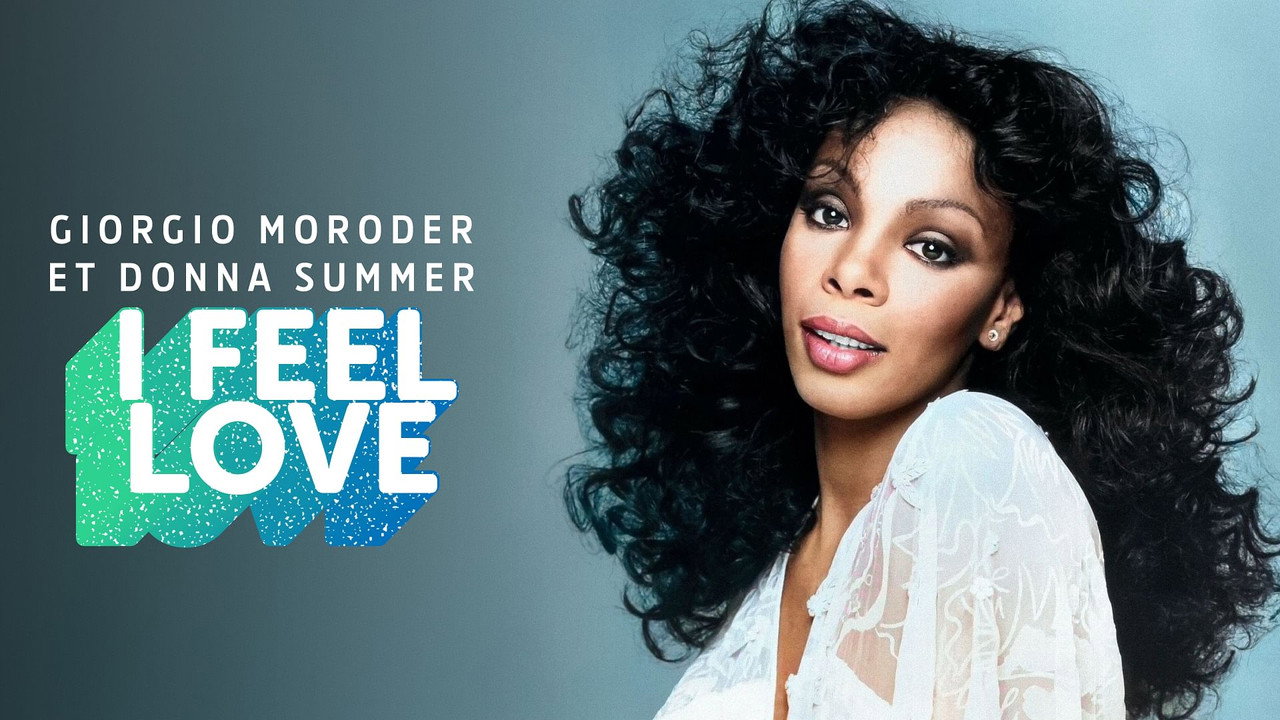
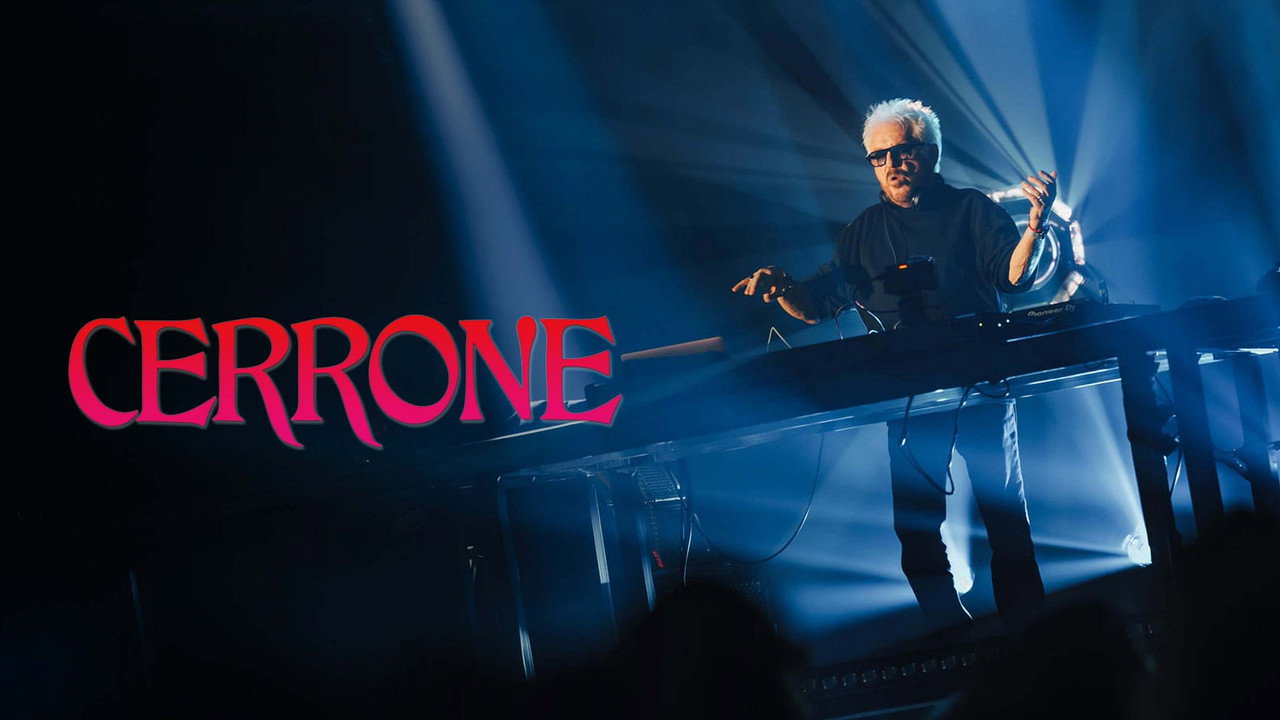
Marc Cerrone has 3 titles indexed on Movie OTT, including Giorgio Moroder & Donna Summer : "I Feel Love", Cerrone Gare de Strasbourg – Ososphère 2026, Disco Sex Machine : La naissance du porn chic.