Filmmaker
Mark Osborne
2 films on Movie OTT · 2 as director · Active 2008–2015
Mark Osborne is an American filmmaker and animator born on September 17, 1970, in Trenton, New Jersey, who built his career at the intersection of independent short-form filmmaking and large-scale studio animation. He's probably best known to general audiences as the co-director of DreamWorks Animation's Kung Fu Panda, but his path to that film was anything but conventional — it ran through underground music videos, experimental shorts, and a decade of work that had almost nothing to do with talking pandas.
About Mark Osborne
Mark Osborne is an American filmmaker and animator born on September 17, 1970, in Trenton, New Jersey, who built his career at the intersection of independent short-form filmmaking and large-scale studio animation. He's probably best known to general audiences as the co-director of DreamWorks Animation's Kung Fu Panda, but his path to that film was anything but conventional — it ran through underground music videos, experimental shorts, and a decade of work that had almost nothing to do with talking pandas.
Before DreamWorks, Osborne spent years developing a sensibility that's harder to pin down than his studio credits suggest. His short film More (1998), a stop-motion piece about a gray factory worker who dreams of color and transcendence, won an Academy Award nomination and screened at Sundance — and what's striking is how little that film resembles anything being made in mainstream American animation at the time. It was bleak, wordless, and genuinely strange. The kind of thing you don't expect to lead to a $215 million-grossing studio blockbuster. Hard to say if DreamWorks saw More and thought "yes, this is our Kung Fu Panda guy," or if the connection was more circuitous, but the gap between those two projects tells you something real about how animation directors get made in Hollywood.
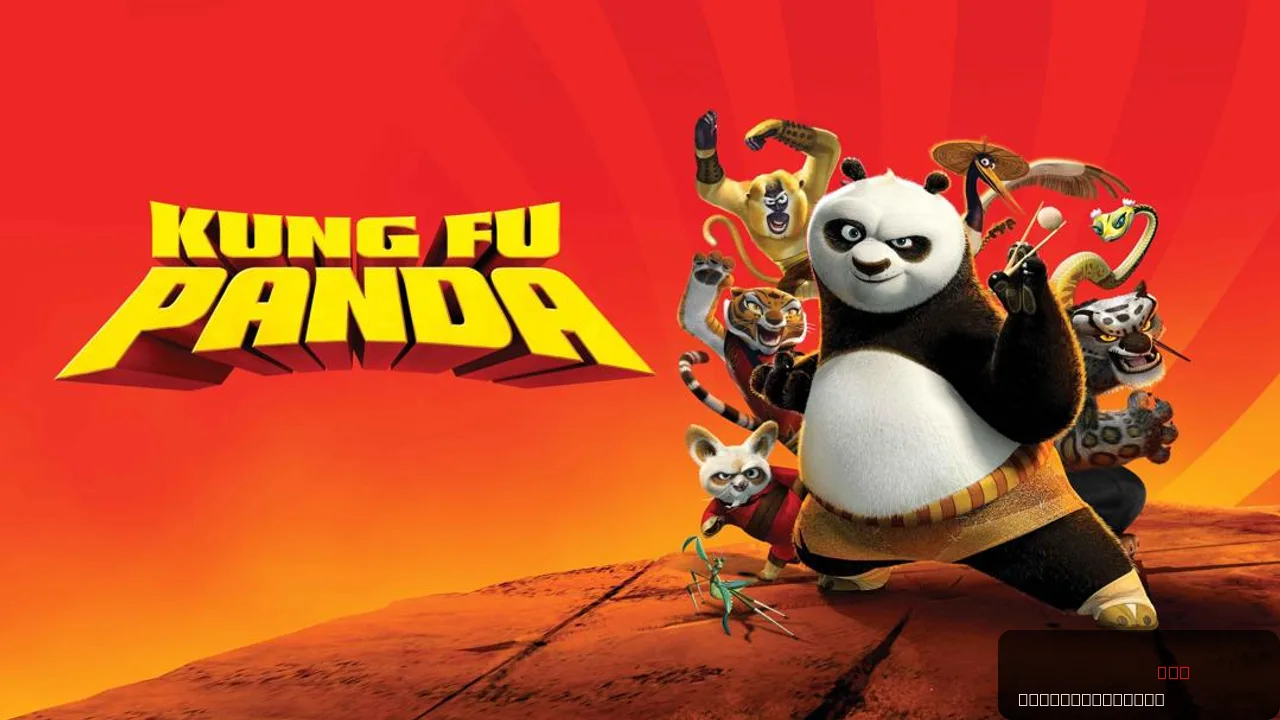
Kung Fu Panda arrived in 2008, co-directed with John Stevenson, and it landed with enough force to reshape DreamWorks Animation's reputation for the better part of a decade. The film starred Jack Black as Po, a clumsy noodle-shop worker who dreams of kung fu glory — and the sequence where Master Oogway drops a peach pit into the soil while telling Po there are no accidents is the kind of moment that earns a film its longevity. Kung Fu Panda grossed over $631 million worldwide and drew comparisons, not always hyperbolically, to the tonal control of early Pixar. Osborne's background in character-driven, emotionally grounded short filmmaking probably had something to do with why the film didn't feel hollow the way some DreamWorks productions of that era did. Collaborating with Stevenson and a production team that included cinematically ambitious storyboard artists, Osborne helped push the film's visual language toward something closer to wuxia cinema than the studio's usual aesthetic register. Not a small achievement.
After Kung Fu Panda, Osborne moved toward a project that had been circling him for years — an adaptation of Antoine de Saint-Exupéry's The Little Prince, which he directed and released in 2015. That film took an unusual structural approach, framing the original novella as a story-within-a-story, and it premiered at Cannes before finding distribution through Netflix following a complicated theatrical release situation in the United States. It's a different kind of film than Kung Fu Panda in almost every way — quieter, more melancholic, more interested in the sadness of forgetting than in action set pieces. The two films together make a reasonable case that Osborne's actual subject, across formats, is the interior life of characters who don't quite fit the world they've landed in.
Osborne doesn't have the public profile of some of his animation contemporaries — he's not someone you'll find giving keynotes at every industry conference or attached to three projects simultaneously. But the filmography he's built, even if it's not voluminous, carries a consistency of purpose that's worth noting. Kung Fu Panda remains the anchor of his commercial reputation, and it's held up well enough that the franchise it launched is still running. Whether he's working toward something new or still in development on projects that haven't surfaced publicly isn't clear. What isn't in question is that he made one of the more durable animated films of the 2000s, and did it without abandoning the instincts he'd developed making films that almost no one saw.
Currently streaming
2 of 2 on platforms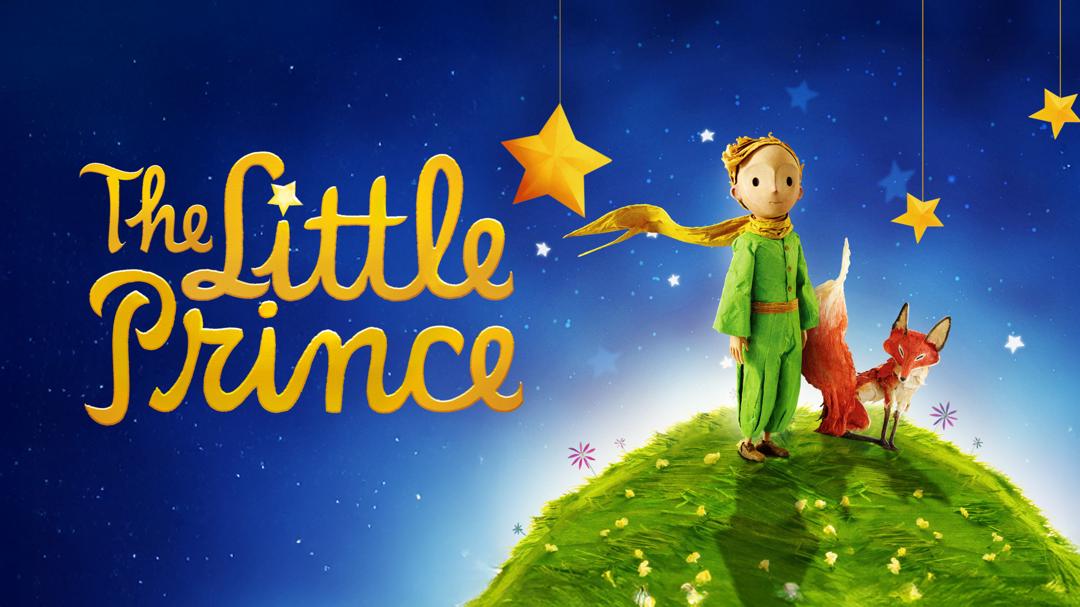
Filmography
Frequently asked questions
When and where was Mark Osborne born?
Mark Osborne was born 1970-09-17 in Trenton, New Jersey, USA.
What films is Mark Osborne known for?
Mark Osborne has 2 titles indexed on Movie OTT, including The Little Prince, Kung Fu Panda.
Where can I watch Mark Osborne's films?
2 of Mark Osborne's films are currently streaming, available on Netflix, Amazon Prime Video with Ads, ITVX, ITVX Premium.
Has Mark Osborne directed any films?
Yes — Mark Osborne has 2 directorial credits indexed on Movie OTT.
How long has Mark Osborne been active?
Mark Osborne's film career on Movie OTT spans from 2008 to 2015 — 7 years of work.