Actor
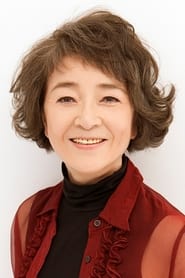
Masumi Harukawa
17 films on Movie OTT · Active 1962–1988
Masumi Harukawa — born Machie Takigawa on November 16, 1935, in Utsunomiya, Tochigi, Japan — is one of those performers whose career doesn't fit neatly into a single box, which is probably why she's stayed interesting for so long. She came up through the Asakusa Rock Theater in the early 1950s as a dancer working under the stage name Mary Rose, and her colleagues there apparently couldn't resist nicknaming her Daruma-chan and Jumbo-chan, a detail that says something warm about the milieu she came from (Wikipedia). Not exactly the conventional origin story for a serious film actress, but that's the thing — her path was never conventional.
About Masumi Harukawa
Masumi Harukawa — born Machie Takigawa on November 16, 1935, in Utsunomiya, Tochigi, Japan — is one of those performers whose career doesn't fit neatly into a single box, which is probably why she's stayed interesting for so long. She came up through the Asakusa Rock Theater in the early 1950s as a dancer working under the stage name Mary Rose, and her colleagues there apparently couldn't resist nicknaming her Daruma-chan and Jumbo-chan, a detail that says something warm about the milieu she came from (Wikipedia). Not exactly the conventional origin story for a serious film actress, but that's the thing — her path was never conventional.
She's probably best known to Japanese audiences for her recurring role in eight of the ten films in Toei's beloved "Trucker Rascals" series, where she played the wife of co-star Aikawa Kinya, and she also turned up in crowd-pleasing serials like Zatoichi and the long-running Tora-san franchise (TMDB). Reliable. Present. The kind of actress a series depends on.
What's striking is how differently she registers for international viewers — for that audience, Harukawa is most associated with the uncompromising work she did alongside avant-garde directors Shōhei Imamura and Shūji Terayama, filmmakers who weren't interested in comfort or formula (TMDB). That's a genuinely rare range: anchoring mainstream studio serials on one hand, and showing up in some of Japanese cinema's most challenging art-house work on the other. Hard to say if any other actress of her generation pulled off both with equal credibility.
Early life & background
Masumi Harukawa was born Machie Takigawa on November 16, 1935, in Utsunomiya, Tochigi, Japan (TMDB). Before she became a recognizable screen presence, she was building her performance instincts on stage — dancing at the Asakusa Rock Theater in the early 1950s under the stage name Mary Rose (TMDB). It was there that she picked up the affectionate nicknames Daruma-chan and Jumbo-chan from those around her. She later moved to the Nichigeki Music Hall, and it was that transition that put her in front of the right eyes: a film industry scout spotted her there and she was pulled toward acting, making her screen debut in "Gurama-to no yuwaku" (also known as "The Temptation of Grama Island") (TMDB). Details about her formal education aren't available.
Career
Cite this page
For Wikipedia, journalism, or academic references — copy the citation below:
Movie OTT. "Masumi Harukawa." Accessed Sep 14, 2026. https://movieott.com/talent/masumi-harukawaCross-references: Wikipedia
Last updated July 11, 2026 · Sources: tmdb+wikipedia+tmdb-credits+ai-claude
Filmography
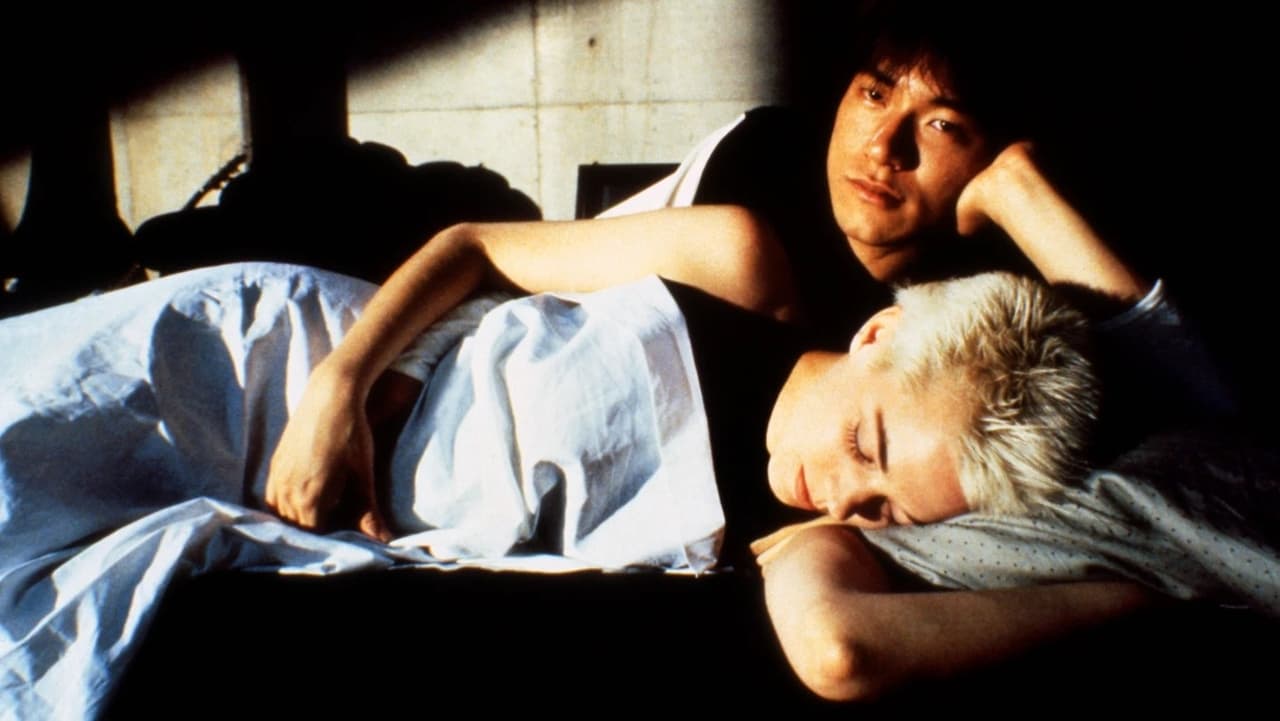
Tokyo Pop
1988 · Mother
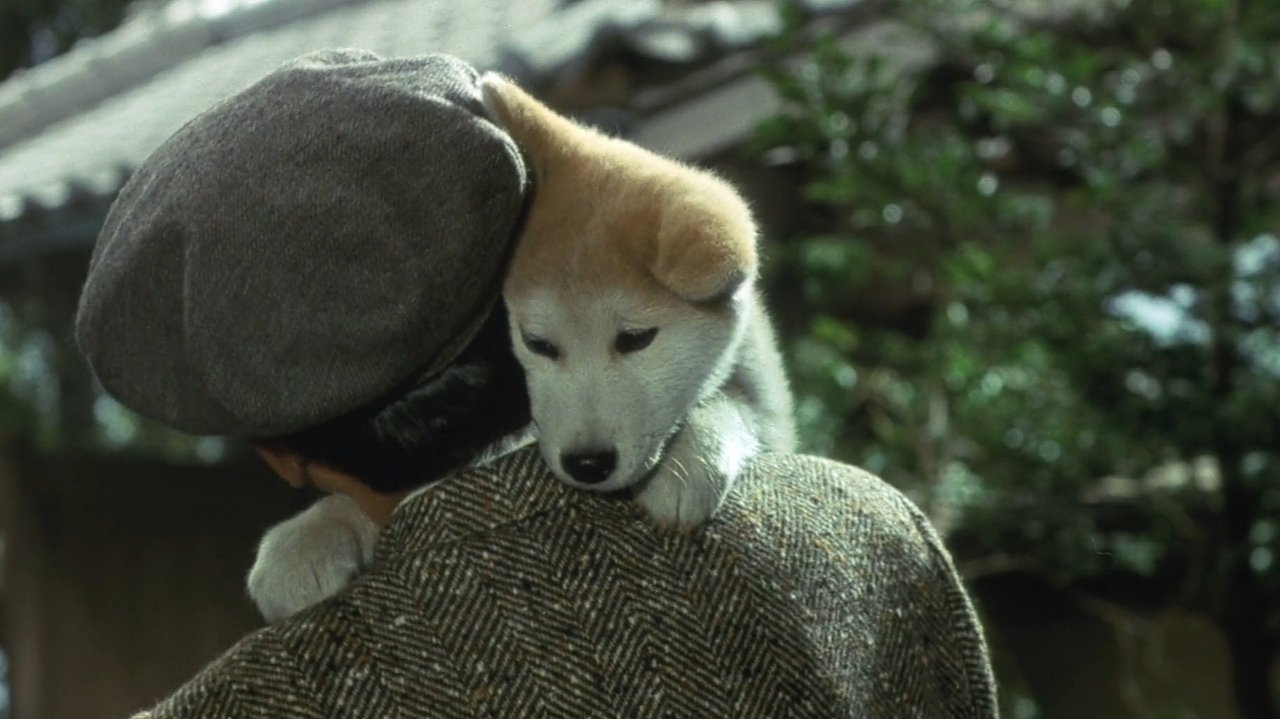
Hachiko
1987 · Okichi
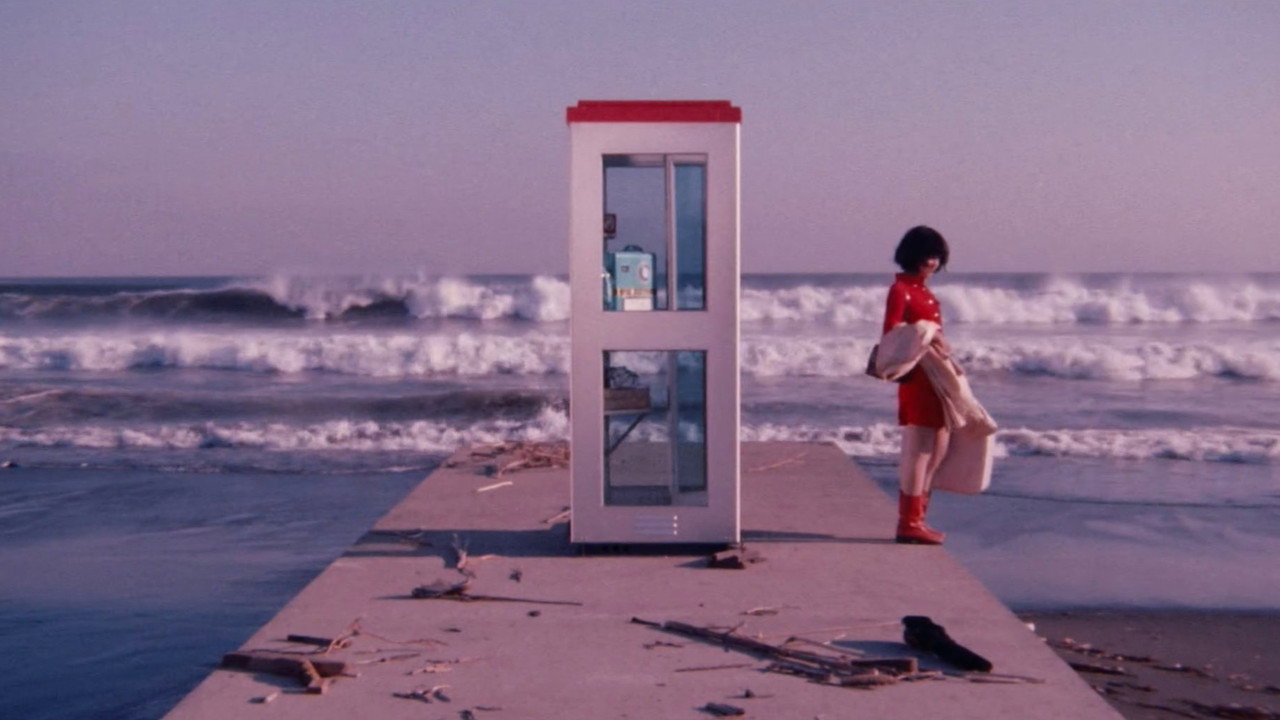
Boxer
1977 · Harumi
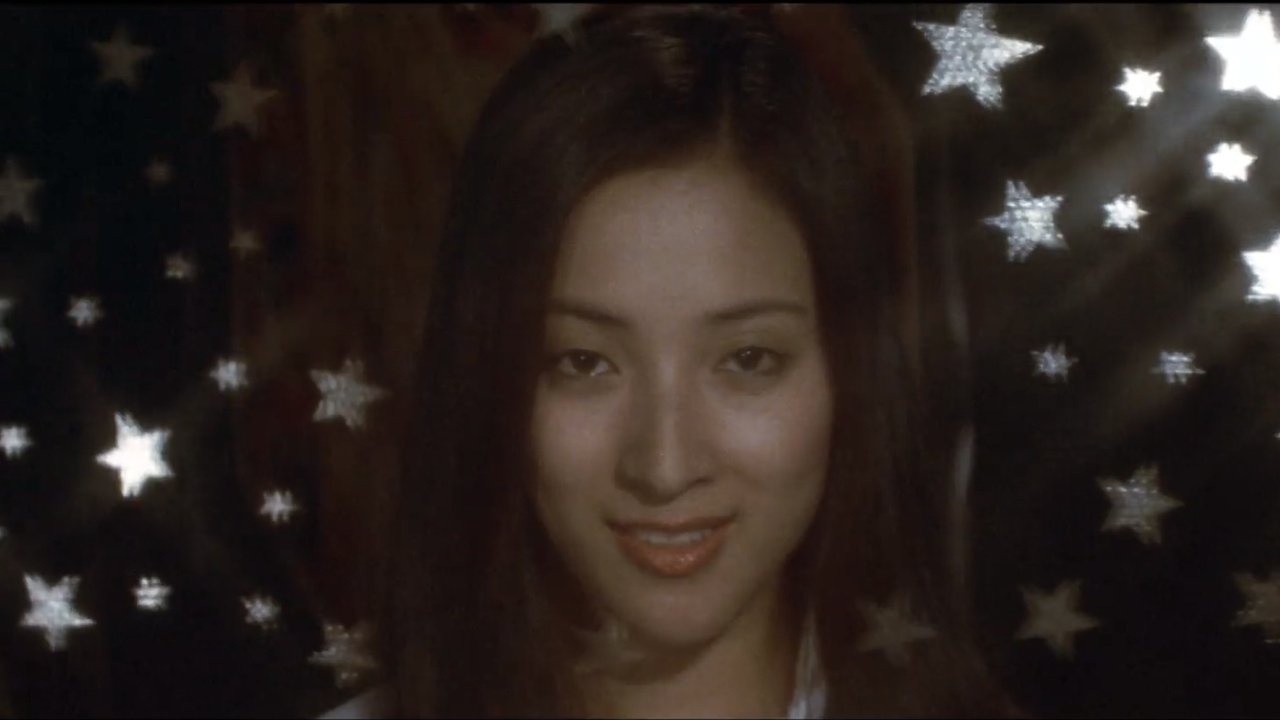
Truck Rascals: No One Can Stop Me
1975 · Kimie, Jonathan's Wife
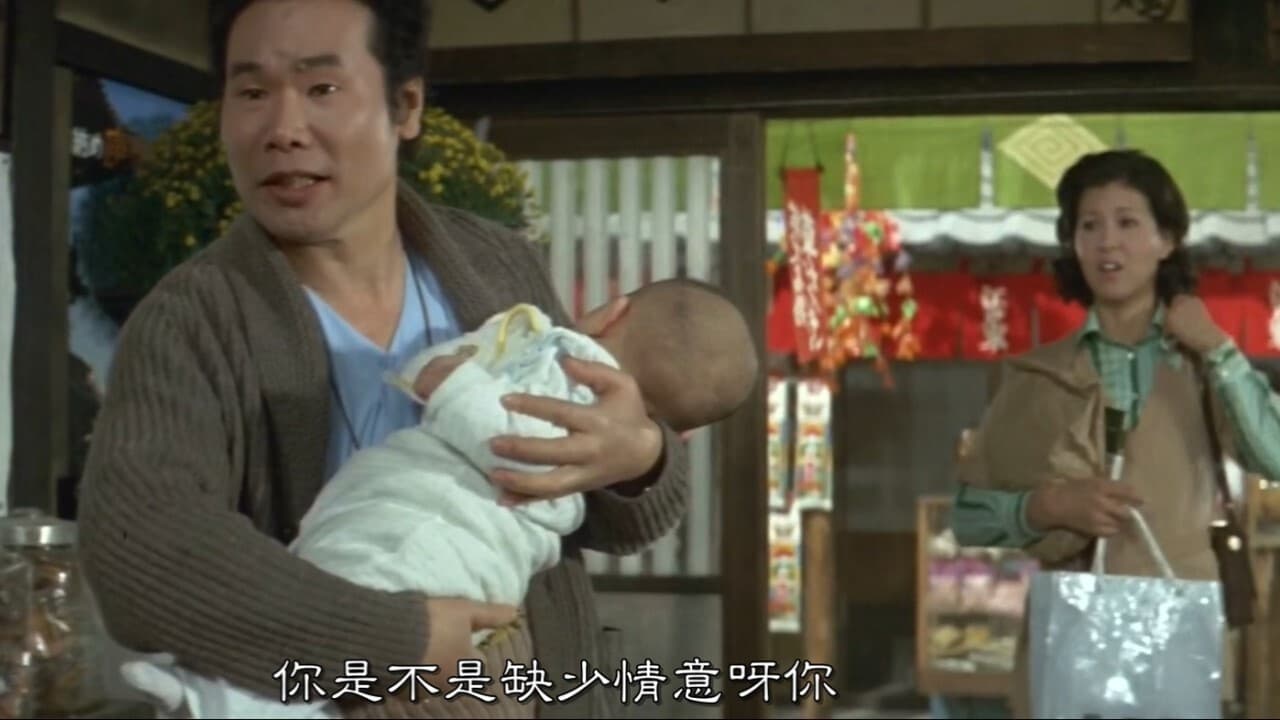
Tora-san's Lullaby
1974 · Cast
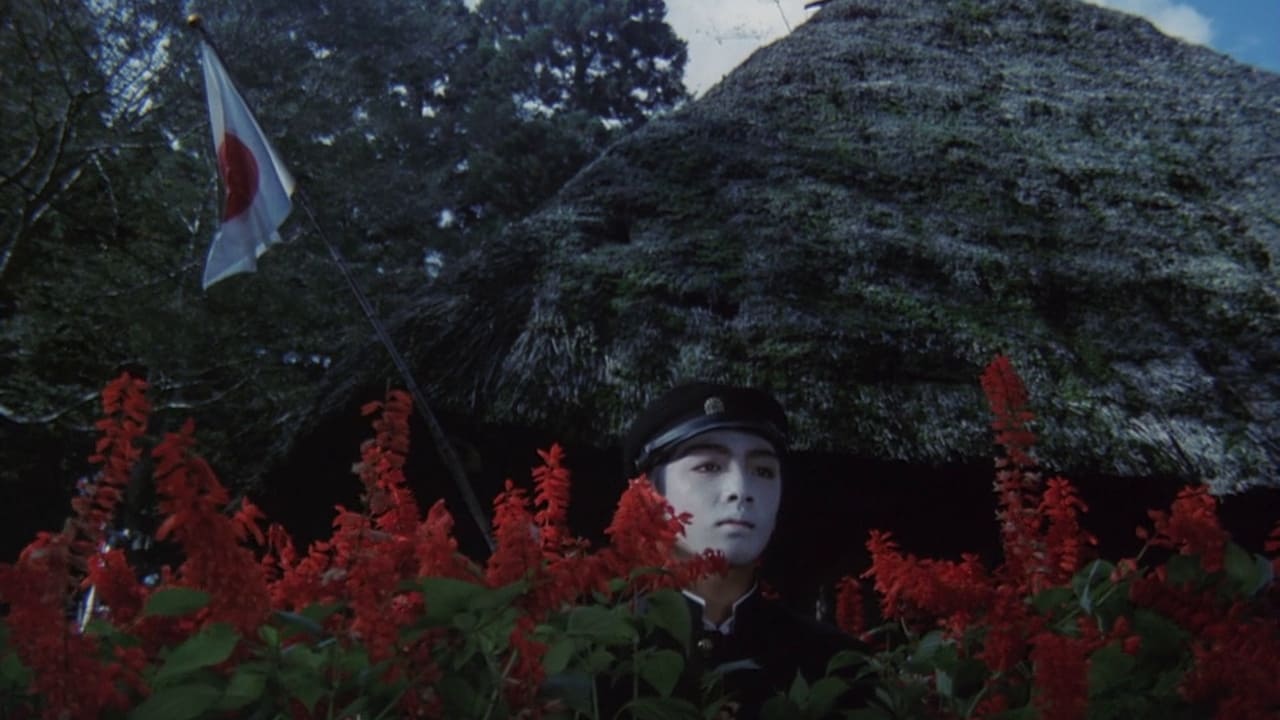
Pastoral: To Die in the Country
1974 · Air woman
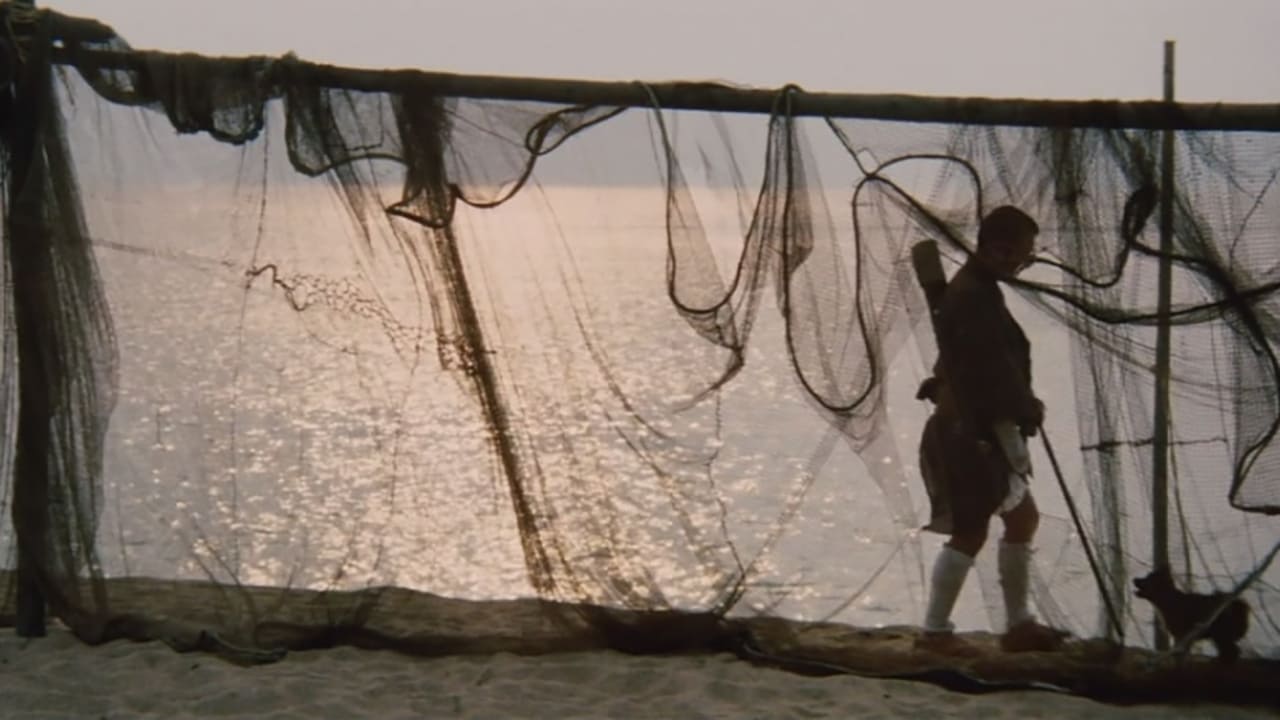
Zatoichi in Desperation
1972 · Ohama
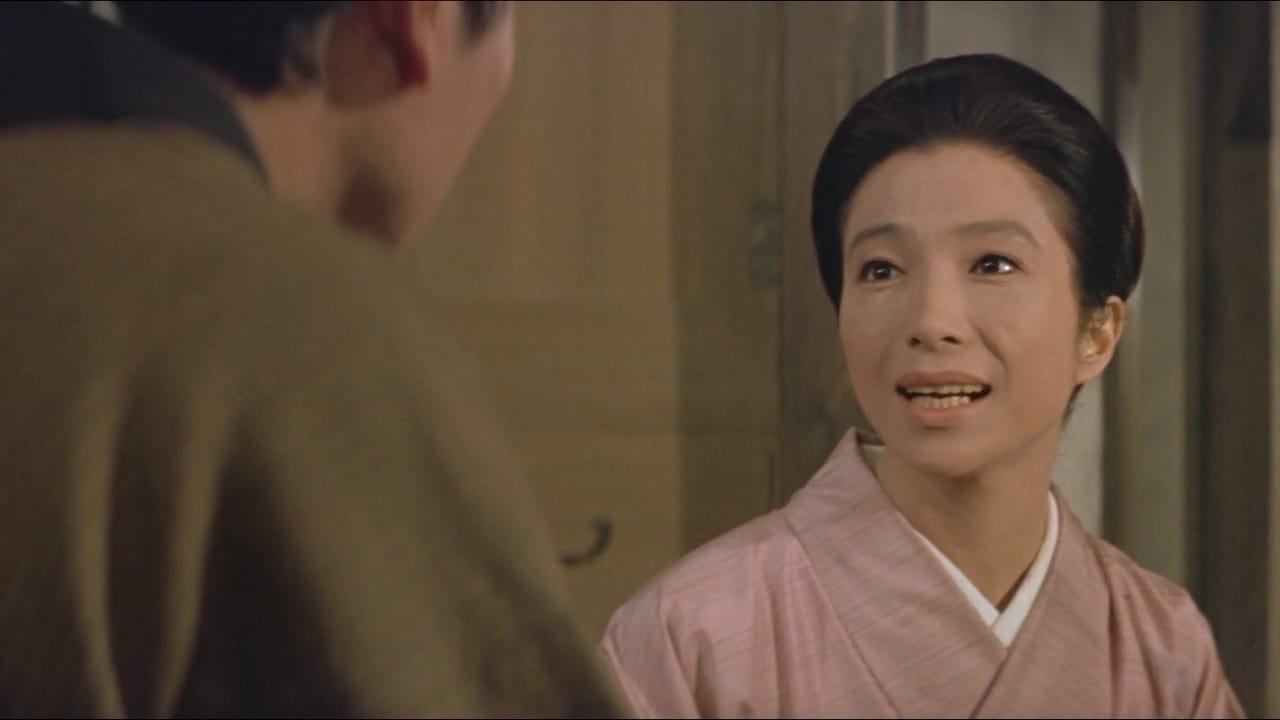
Tora-san, His Tender Love
1970 · Komako
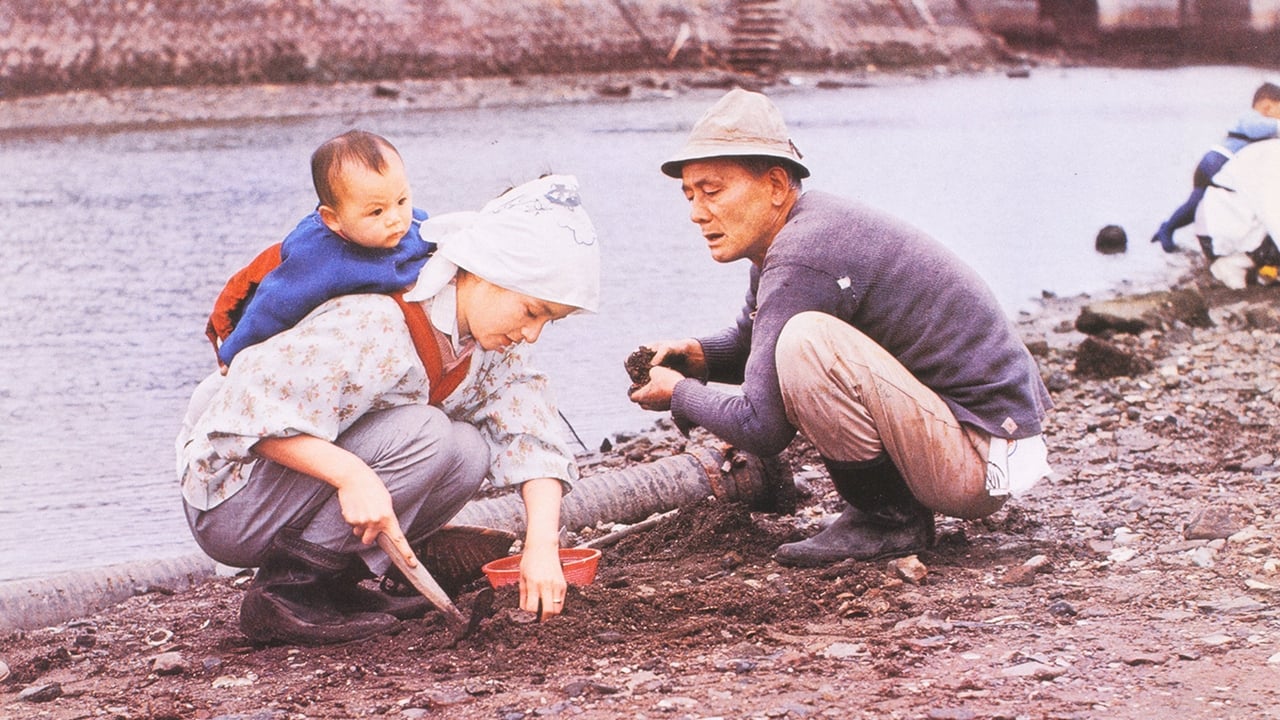
Where Spring Comes Late
1970 · Passengers on Nemuro Main Line
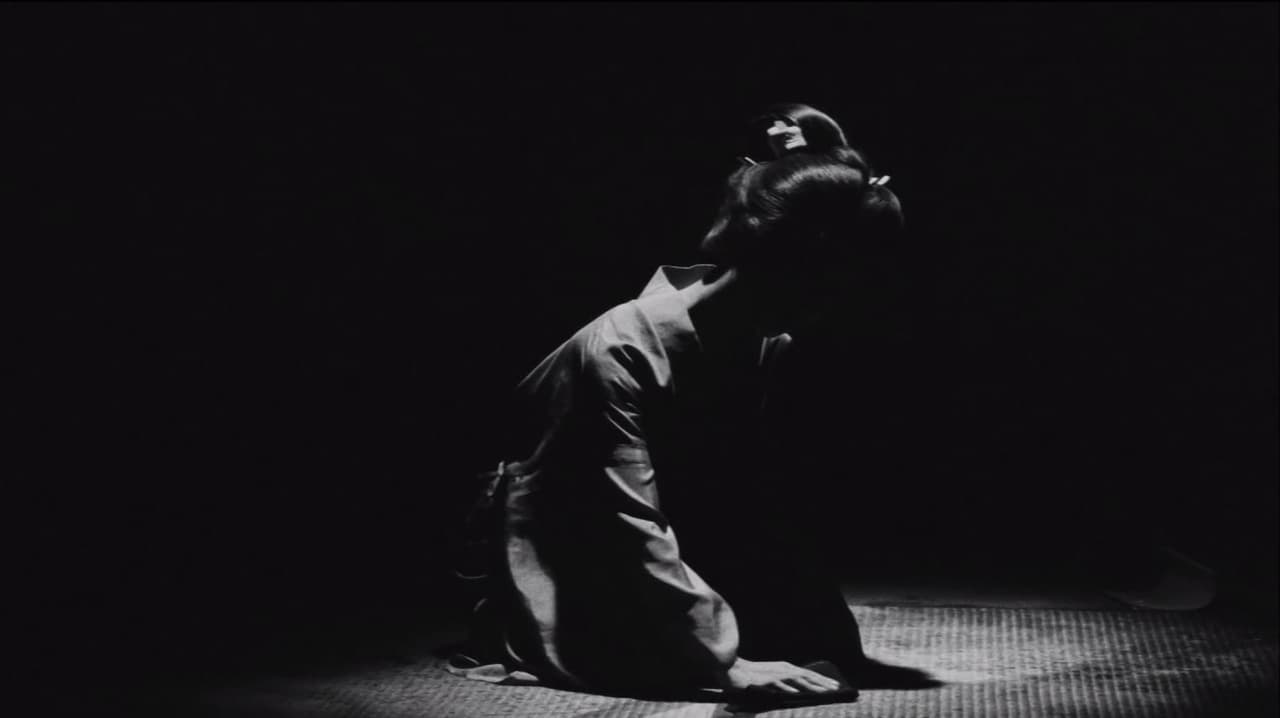
Curse of the Blood
1968 · Okuma
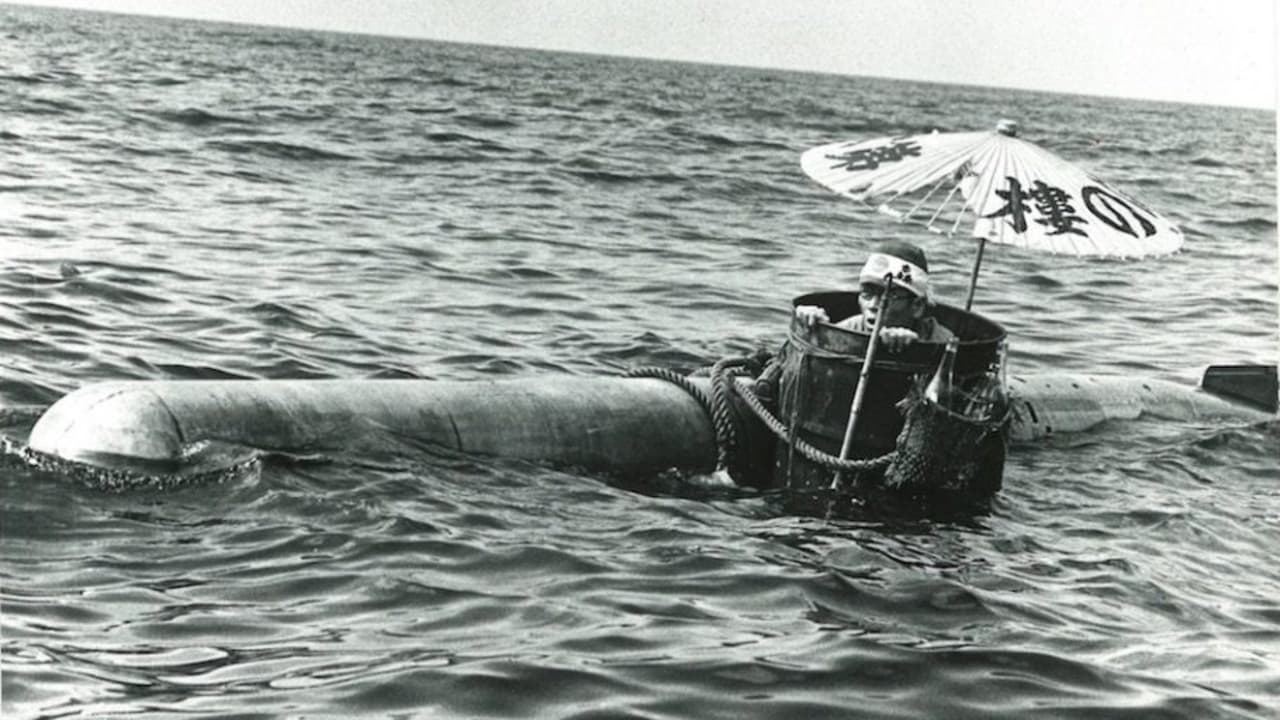
The Human Bullet
1968 · Woman in Apron
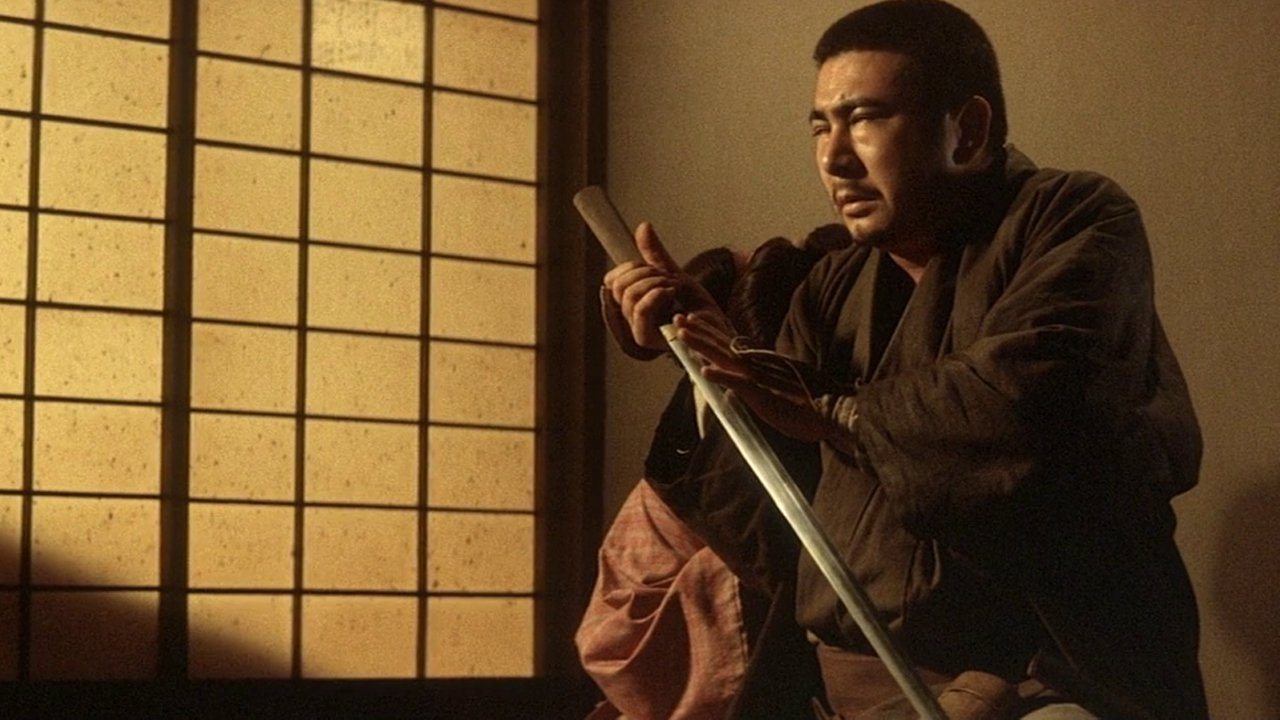
Zatoichi's Cane Sword
1967 · Oryu
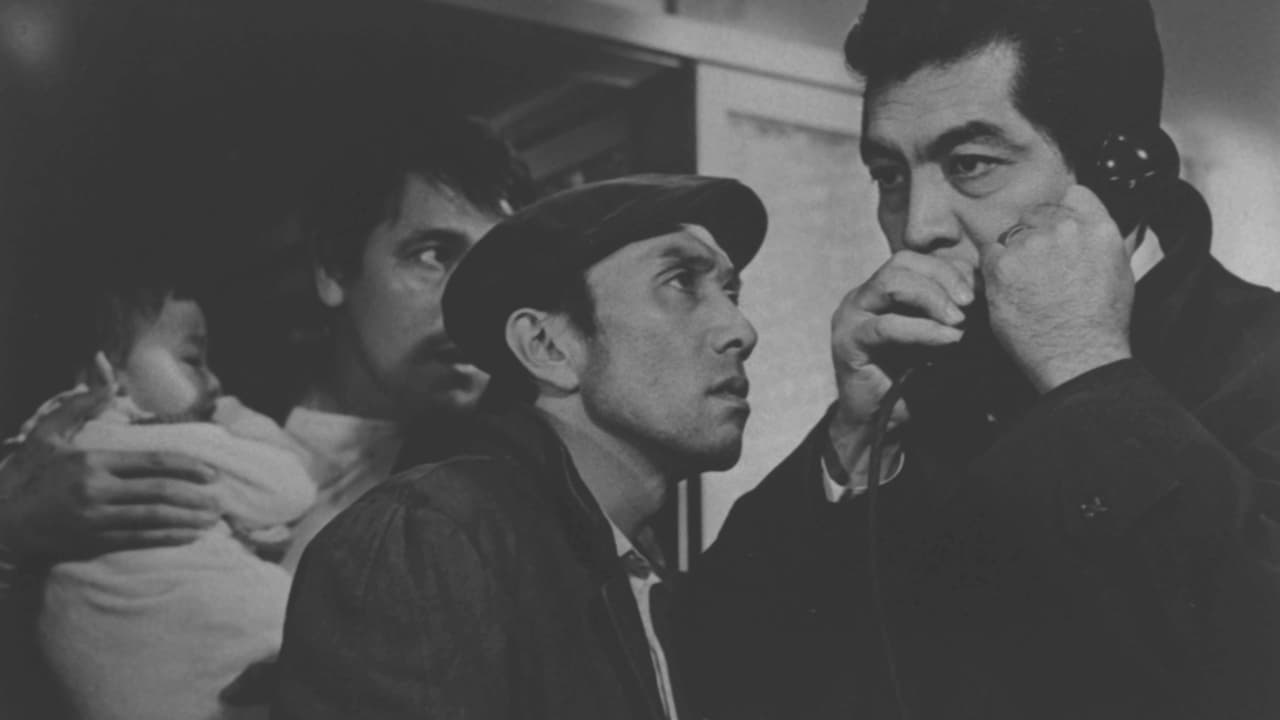
The Threat
1966 · Hiroko
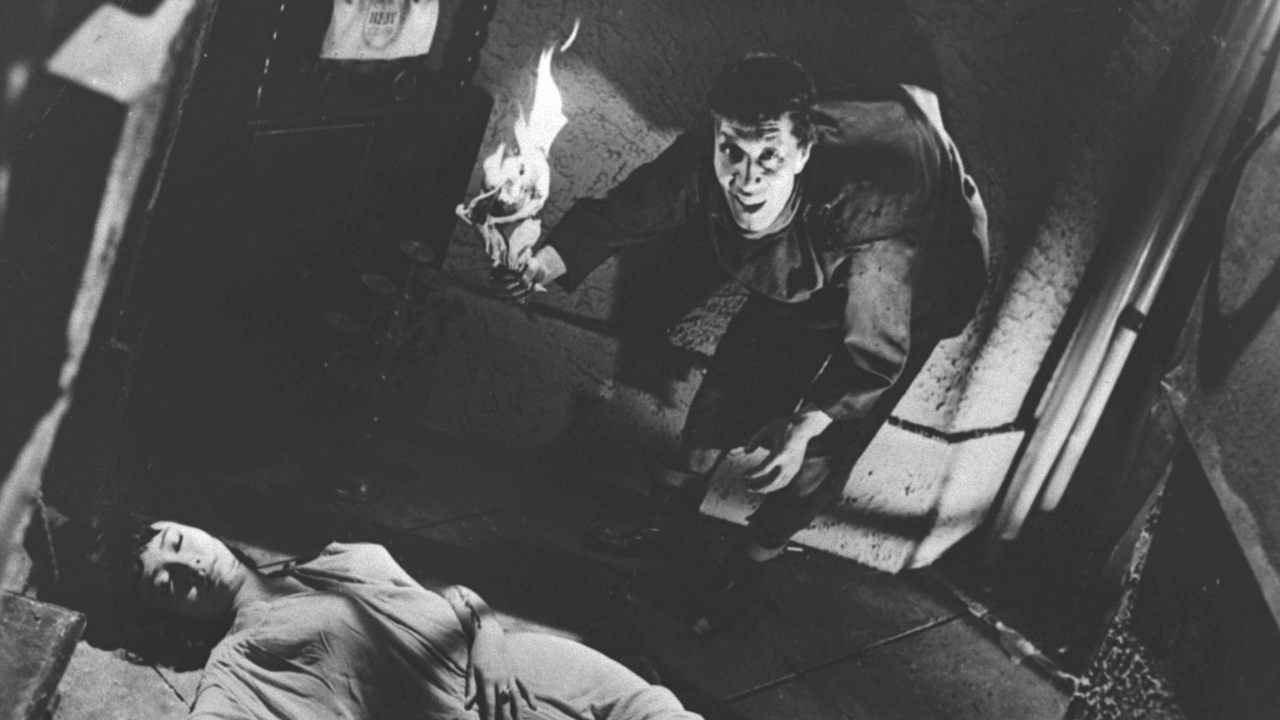
House of Terrors
1965 · Akemi Yokota
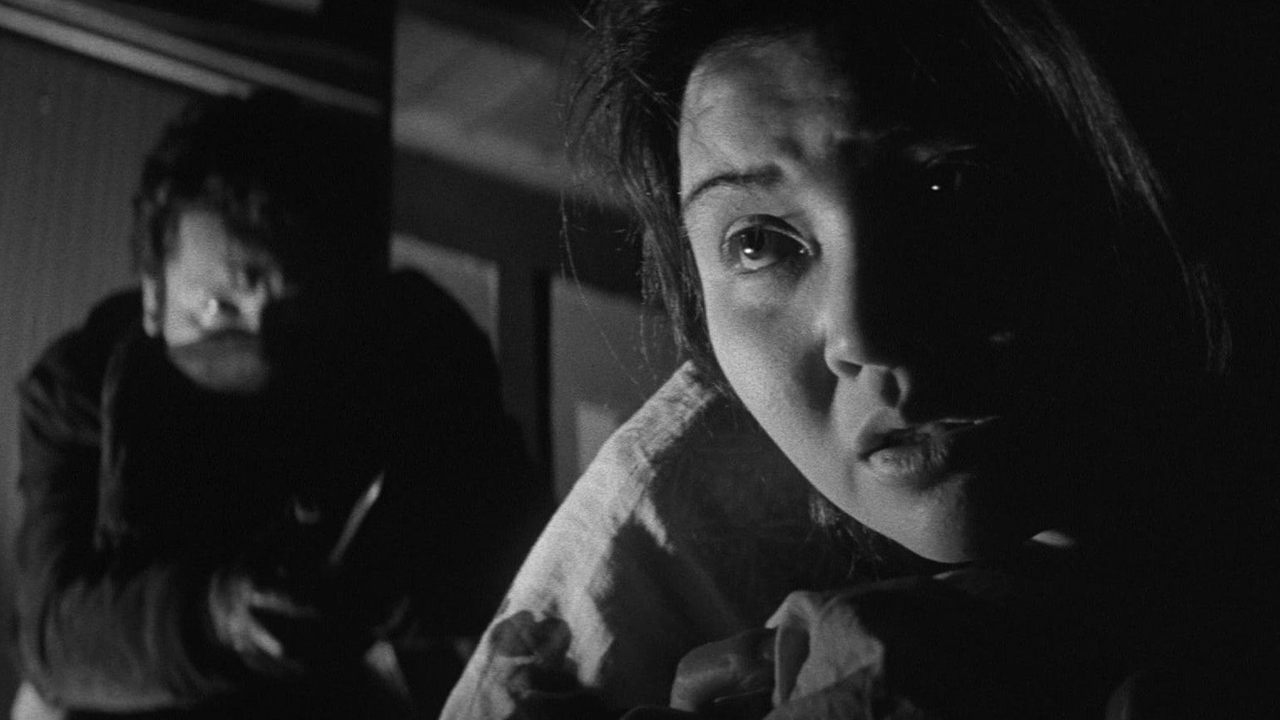
Intentions of Murder
1964 · Sadako Takahashi
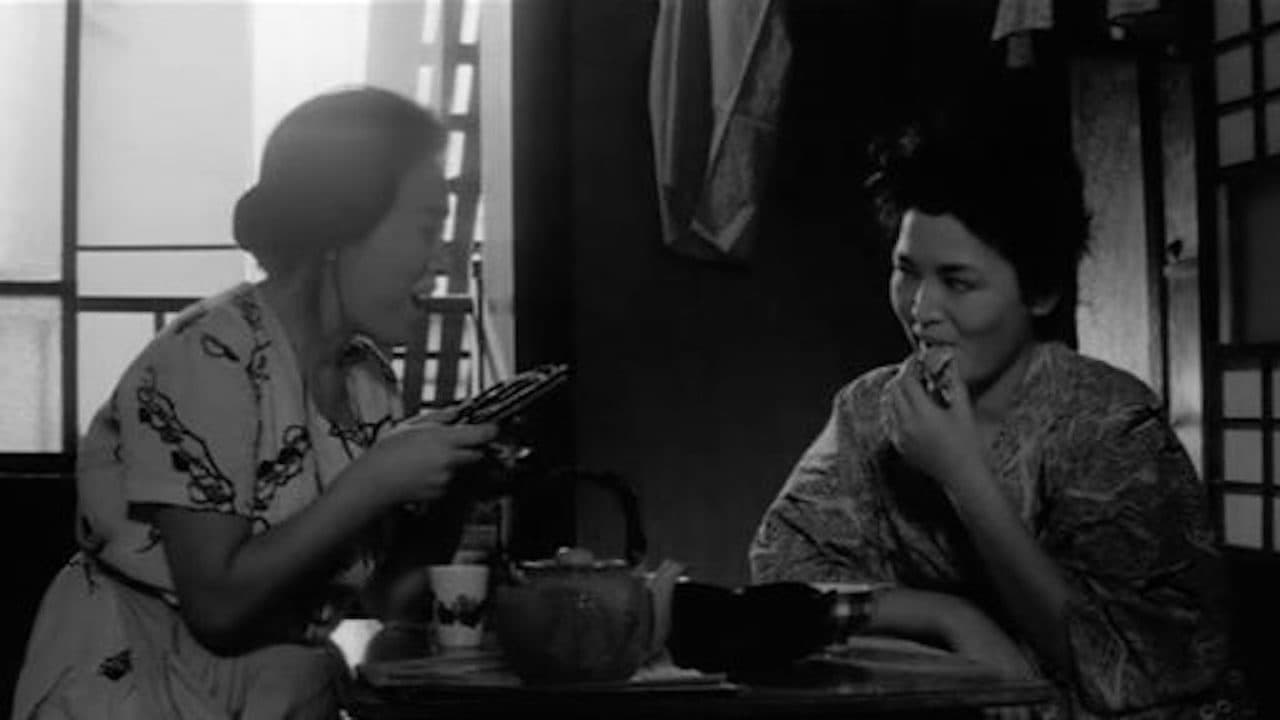
The Insect Woman
1963 · Midori

Our Marriage
1962 · Rinko Arishima
Frequently asked questions
What films is Masumi Harukawa known for?
Masumi Harukawa has 17 titles indexed on Movie OTT, including Tokyo Pop, Hachiko, Boxer.
How long has Masumi Harukawa been active?
Masumi Harukawa's film career on Movie OTT spans from 1962 to 1988 — 26 years of work.