Filmmaker
Michael Winner
8 films on Movie OTT · 8 as director · Active 1969–1988
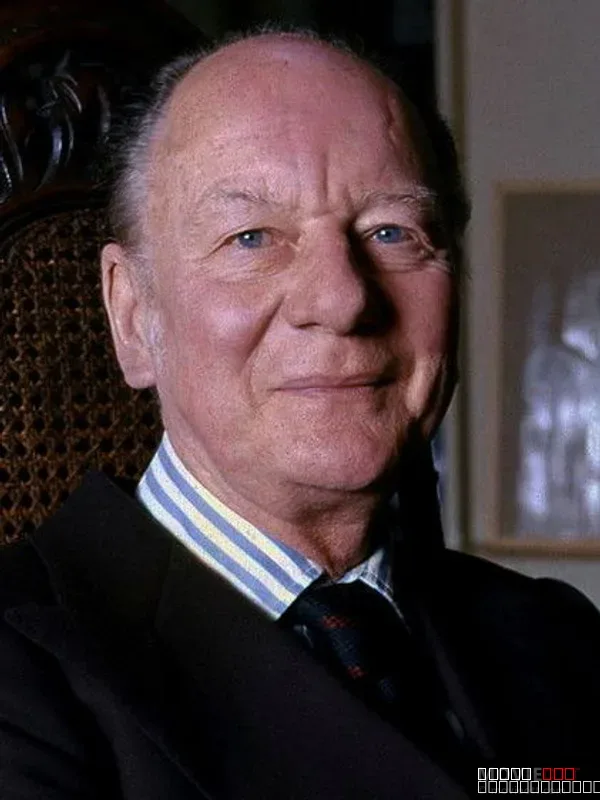
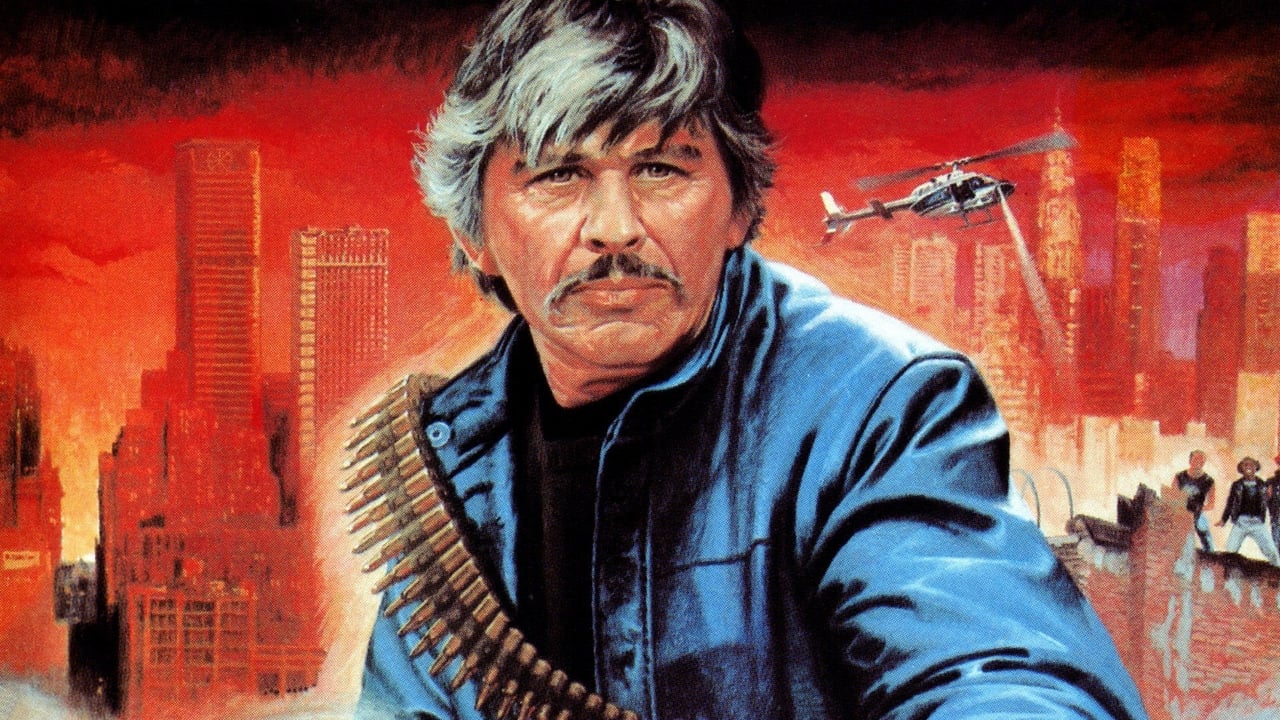
Michael Winner was a British film director, producer, and writer who spent roughly four decades shaping — and occasionally provoking — mainstream commercial cinema. Born in London on 30 October 1935, he came up fast, directing short films and television work while still in his early twenties before transitioning to feature films in the late 1950s. He's probably best remembered outside Britain for his run of hard-edged American genre pictures in the 1970s, particularly the Death Wish franchise with Charles Bronson, though his career stretches well beyond that association.
About Michael Winner
Michael Winner was a British film director, producer, and writer who spent roughly four decades shaping — and occasionally provoking — mainstream commercial cinema. Born in London on 30 October 1935, he came up fast, directing short films and television work while still in his early twenties before transitioning to feature films in the late 1950s. He's probably best remembered outside Britain for his run of hard-edged American genre pictures in the 1970s, particularly the Death Wish franchise with Charles Bronson, though his career stretches well beyond that association.
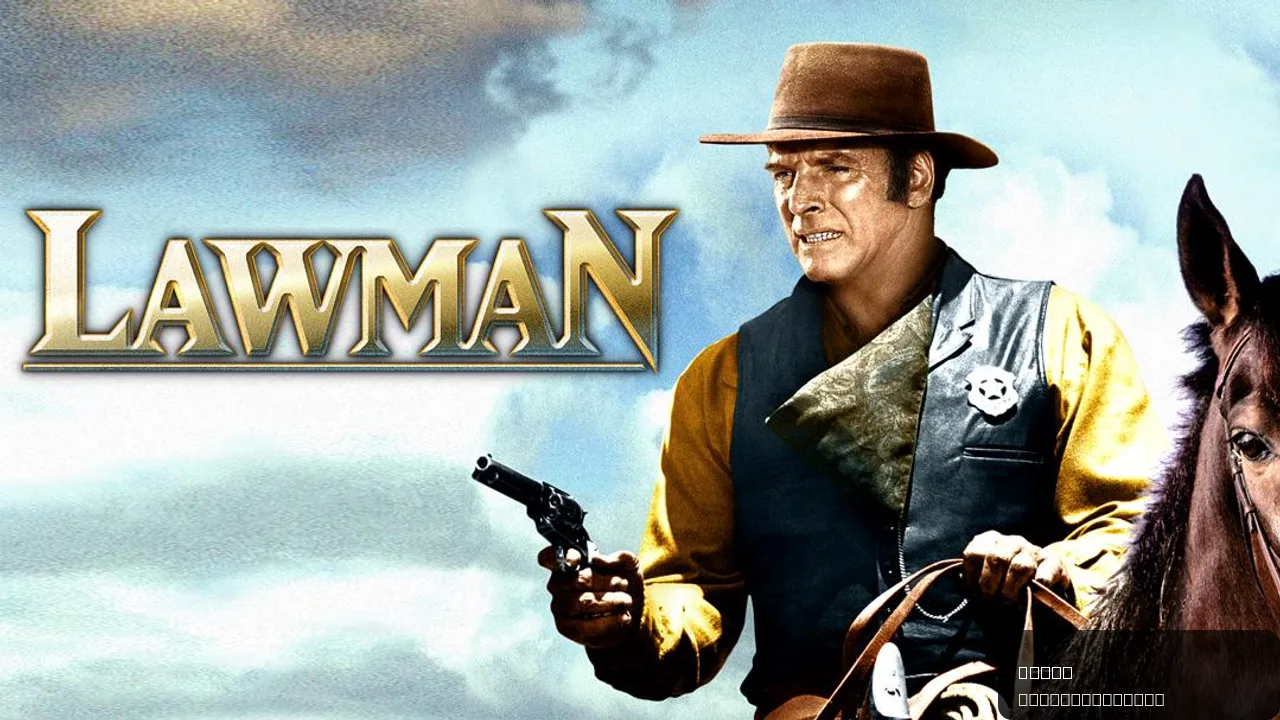
The thing nobody mentions is how early Winner established himself as a genuine working director rather than a journeyman-for-hire. By the time he made Lawman in 1971 — a lean, morally ambiguous western shot on location in Durango, Mexico — he was already operating with a confidence that belied the relatively modest budgets he was handed. Lawman is worth pausing on: it's not a cheerful film. Burt Lancaster plays a marshal who arrives in a small town to collect men responsible for a cattle-drive accident, and the film refuses to let anyone off the hook, including Lancaster's character. Winner's direction keeps things tight. Spare. The violence lands without ceremony, which was exactly the point.
That sensibility — punishment without catharsis, action stripped of heroism — became something of a signature. Winner worked repeatedly with Bronson across multiple projects, and the pairing suited him: Bronson's stillness gave Winner's blunt camera style something to push against. What's striking is how Winner's British background actually served those American genre pieces, because he didn't share the same cultural mythology around guns and frontier justice that American directors sometimes brought to westerns or crime films. He watched it from the outside, which gave the work a cooler, more clinical register. He also had a practical streak — he produced many of his own films, which meant he understood the economics of keeping a shoot moving and rarely indulged in the kind of extended production schedules that cost distributors patience.
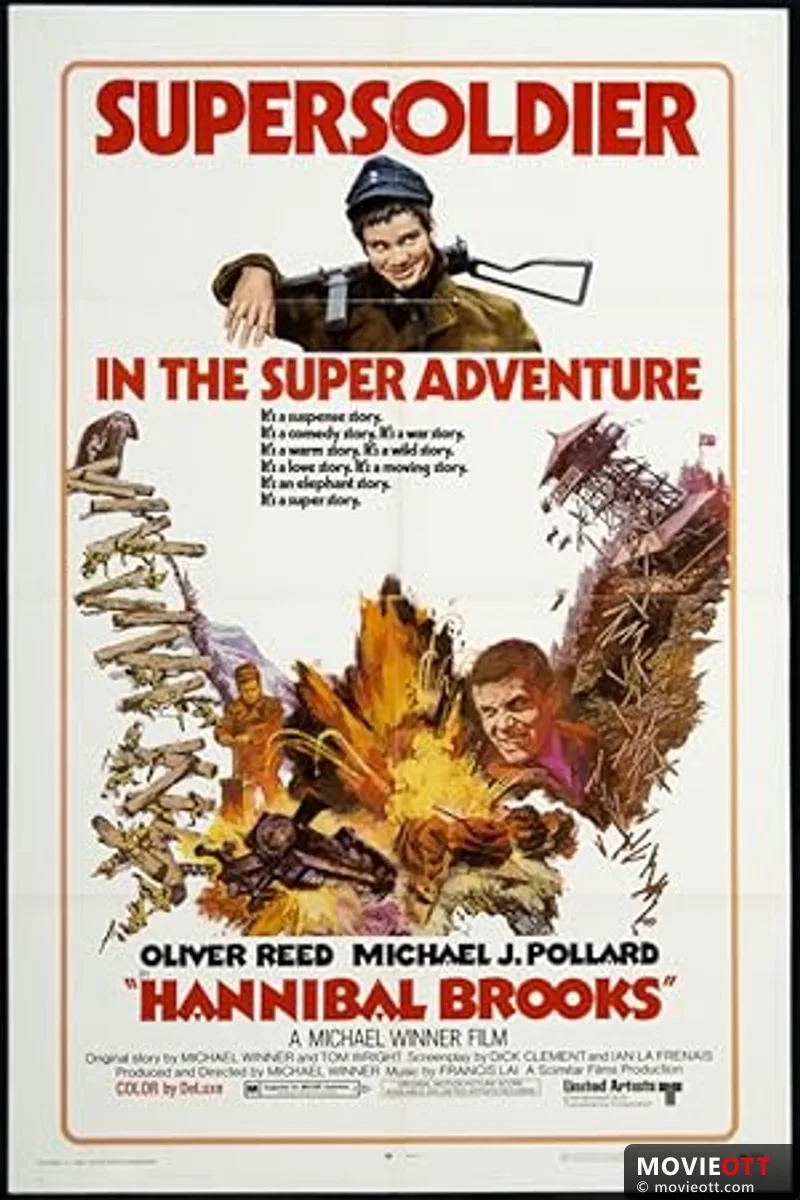
Earlier in his career, Winner had shown a different range. Hannibal Brooks (1969) is a good example of that — Oliver Reed plays a British POW in World War Two who ends up escorting an elephant across the Alps to Switzerland, and the film plays it with a lightness that sits almost nowhere else in Winner's body of work. It's an odd film, genuinely. Part war picture, part road movie, part comedy, and it doesn't fully commit to any of those modes, which is either its charm or its problem depending on your tolerance for tonal drift.
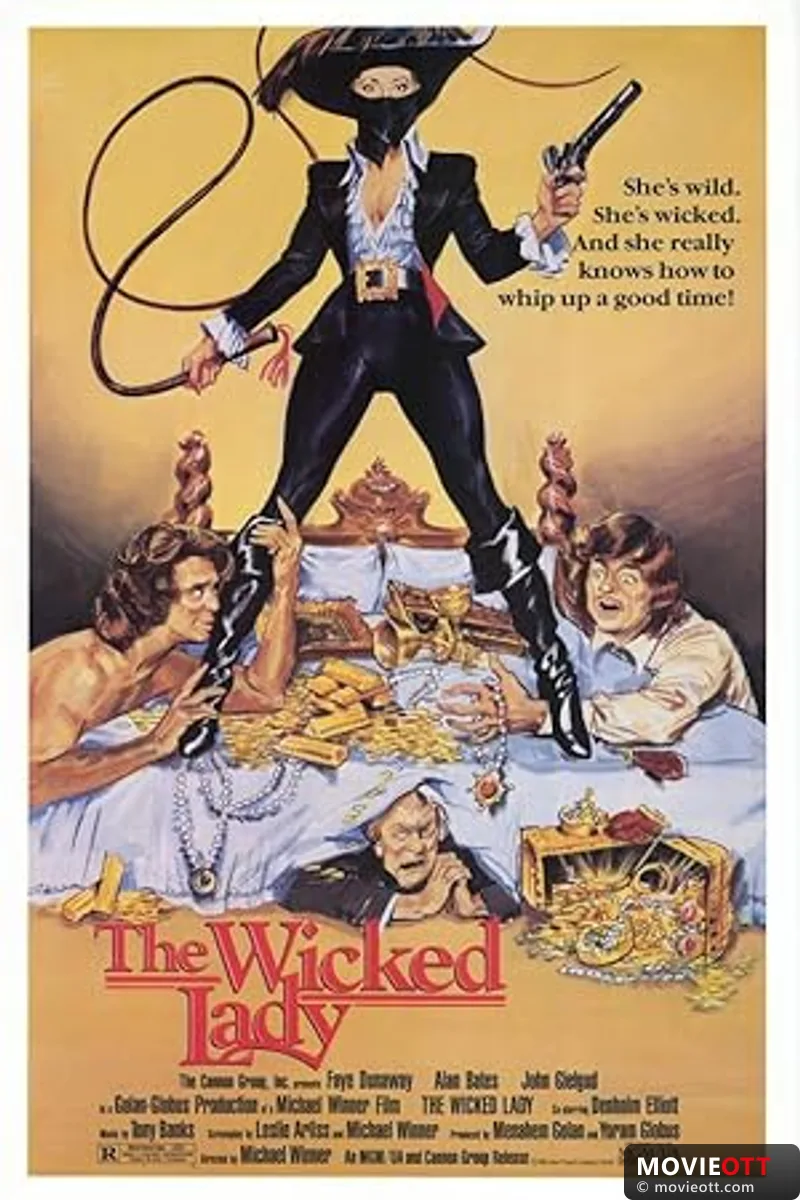
By the early 1980s Winner was working back on British soil, and The Wicked Lady (1983) — a period romp based on the same source material as the 1945 Gainsborough original — showed him leaning into entertainment without apology. Faye Dunaway takes the lead as a bored aristocrat who turns to highway robbery, and Winner directed it with the kind of energy that doesn't care whether critics approve. They didn't, largely. Hard to say if that bothered him; his public persona suggested it didn't. He was known for a combative relationship with the press and a willingness to defend his own work in print with considerable sharpness.
Winner stepped back from directing features in the 1990s and became, somewhat unexpectedly, a prominent restaurant critic and media personality in the UK — a second career that brought him a different kind of public recognition. But the film work stands on its own terms. A filmmaker who moved between continents and genres, who could make a sun-scorched western and a Georgian costume picture within a decade of each other, and who always seemed more interested in getting the film made and in front of an audience than in being taken seriously by the right people. That's not nothing.
Gallery
6 photosCurrently streaming
4 of 8 on platforms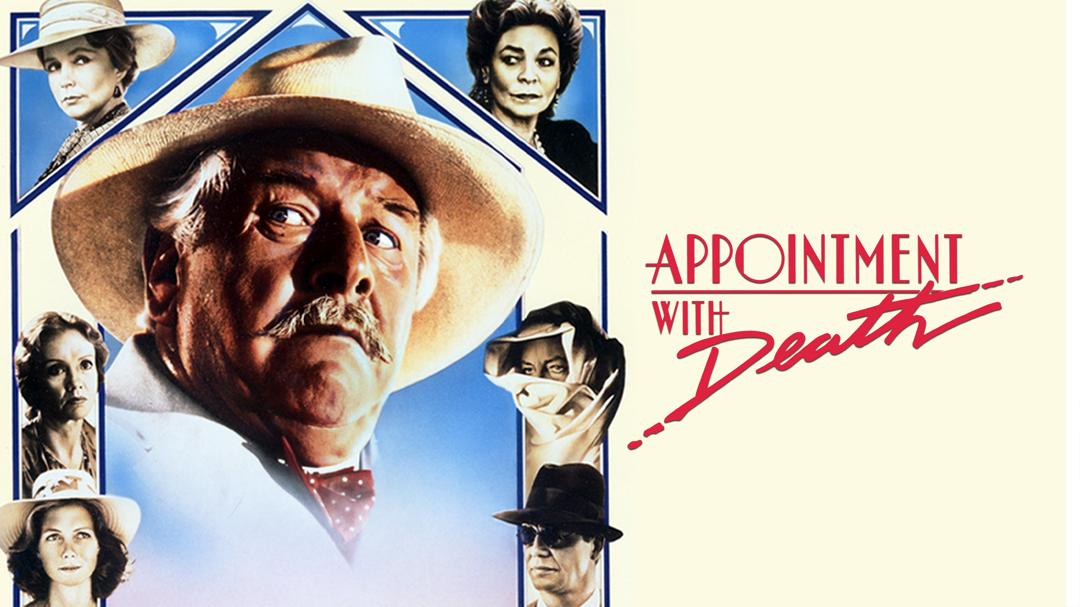
Filmography
Frequently asked questions
When and where was Michael Winner born?
Michael Winner was born 1935-10-30 in London, England, UK.
What films is Michael Winner known for?
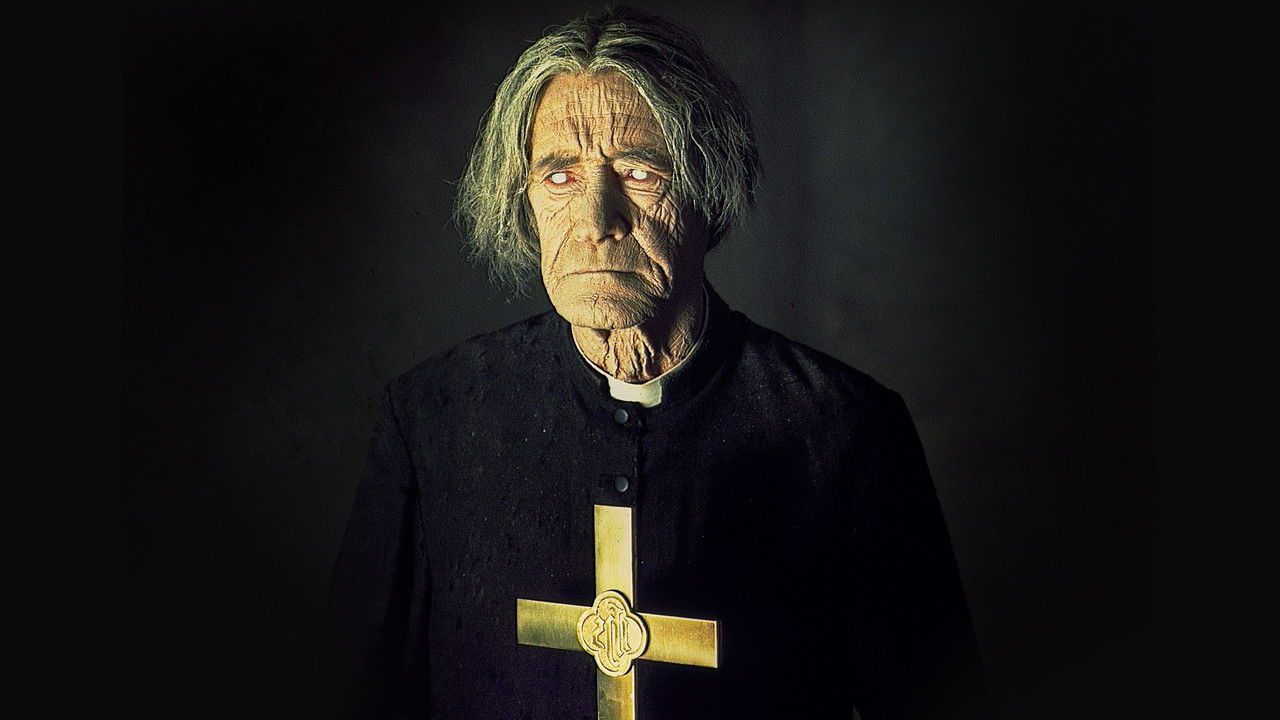
Michael Winner has 8 titles indexed on Movie OTT, including Appointment with Death, Death Wish 3, The Wicked Lady.
Where can I watch Michael Winner's films?
4 of Michael Winner's films are currently streaming, available on Prime Video.
Has Michael Winner directed any films?
Yes — Michael Winner has 8 directorial credits indexed on Movie OTT.
How long has Michael Winner been active?
Michael Winner's film career on Movie OTT spans from 1969 to 1988 — 19 years of work.