Filmmaker
Mike Figgis
3 films on Movie OTT · 3 as director · Active 1988–1995
Mike Figgis is a British director, composer, and screenwriter whose career has consistently resisted easy categorization — equal parts jazz musician, visual experimentalist, and industry outsider who somehow kept finding his way inside. Born on February 28, 1948, in Cumberland, England, he came to filmmaking through music rather than film school, spending years in experimental theatre and avant-garde performance before the camera became his primary instrument. That background never left him. It shaped everything: the way his films breathe, the way silence is used as pressure, the way narrative sometimes gives way to mood the way a chord change can reorient an entire room.
About Mike Figgis
Mike Figgis is a British director, composer, and screenwriter whose career has consistently resisted easy categorization — equal parts jazz musician, visual experimentalist, and industry outsider who somehow kept finding his way inside. Born on February 28, 1948, in Cumberland, England, he came to filmmaking through music rather than film school, spending years in experimental theatre and avant-garde performance before the camera became his primary instrument. That background never left him. It shaped everything: the way his films breathe, the way silence is used as pressure, the way narrative sometimes gives way to mood the way a chord change can reorient an entire room.
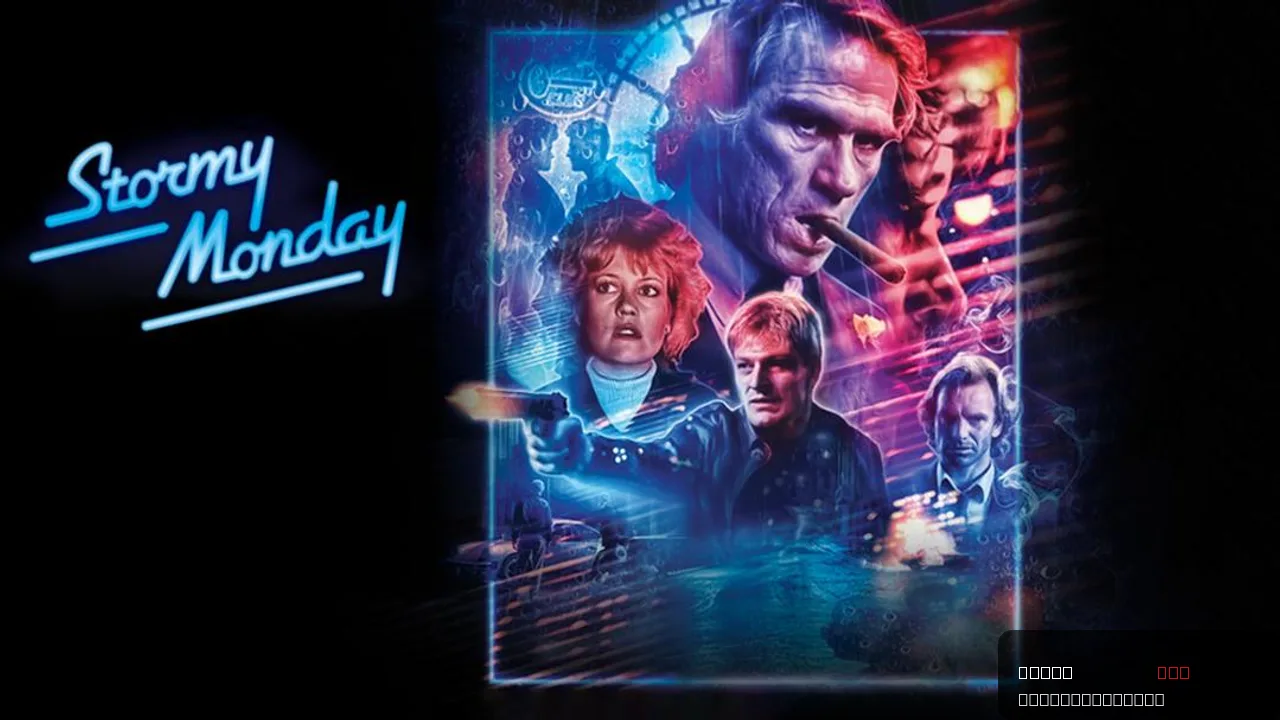
His debut feature, Stormy Monday (1988), announced him with unusual confidence. Set in Newcastle, the film uses jazz, American money, and British grit to construct a neo-noir that doesn't quite behave like one — Sting plays a club owner, Tommy Lee Jones a predatory American developer, and Melanie Griffith a woman caught between them, and what's striking is how Figgis keeps the genre machinery running while clearly being more interested in atmosphere than plot mechanics. The rain-slicked streets, the mournful trumpet on the soundtrack (which Figgis composed himself), the sense that everyone in the film is performing a version of themselves they don't entirely believe in — it works. Not a perfect film, but a genuinely distinctive one, and it got Hollywood's attention in a way that many British debuts simply don't.
That attention led Figgis to America, where he made Internal Affairs (1990) and then Liebestraum (1991) before arriving at the film that defined him for a generation of cinephiles: Leaving Las Vegas (1995). Nicolas Cage won the Academy Award for Best Actor. Figgis won the Directors Guild of America Award and received his own Oscar nomination for directing and screenplay. Shot on Super 16mm with a deliberately grainy, almost documentary texture, the film follows an alcoholic screenwriter drinking himself to death in Las Vegas — and Figgis, crucially, doesn't flinch from the romance of that destruction even as he refuses to sentimentalize it. The score, again his own, is one of the most effective jazz-inflected film soundtracks of the decade. Hard to say if any other director at that moment could have made the same film with the same restraint.
Figgis has never been content to repeat himself. One Night Stand (1997), The Loss of Sexual Innocence (1999), and Miss Julie (1999) each pushed in different directions, and then Timecode (2000) arrived as something genuinely strange — four simultaneous real-time narratives displayed in split screen, shot in a single continuous take per quadrant, with no editing in the traditional sense. It divided critics sharply (some found it gimmicky, others thought it was the most formally interesting American film of its year), but it demonstrated that Figgis wasn't interested in consolidating a mainstream career. He wanted to keep testing what film could do.
The thing nobody mentions enough is how consistently Figgis has functioned as his own composer across his career — that dual identity as musician-director isn't incidental, it's structural. His films tend to think in terms of rhythm and tone before they think in terms of story, which makes them occasionally frustrating and frequently memorable. Stormy Monday remains the clearest early statement of that sensibility: a film that would rather hold a mood than resolve a plot. His work since the mid-2000s has included documentary projects and smaller experimental pieces, operating largely outside studio infrastructure. That's not a retreat. It's a choice that looks more coherent the longer you watch his full body of work.
Currently streaming
2 of 3 on platforms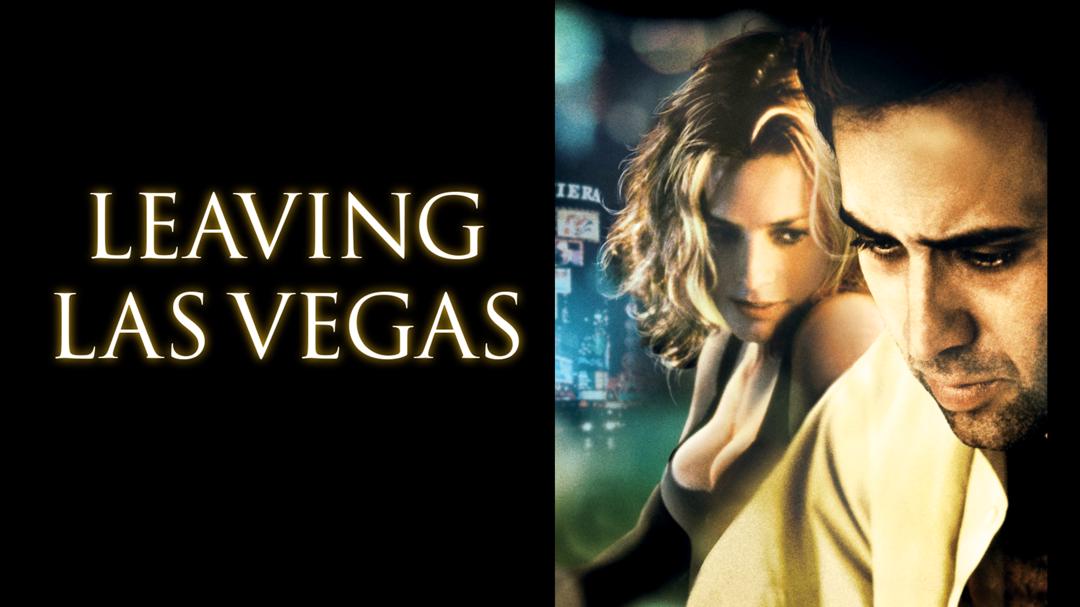
Filmography

Frequently asked questions
When and where was Mike Figgis born?
Mike Figgis was born 1948-02-28 in Cumberland, England, UK.
What films is Mike Figgis known for?
Mike Figgis has 3 titles indexed on Movie OTT, including Leaving Las Vegas, Mr. Jones, Stormy Monday.
Where can I watch Mike Figgis's films?
2 of Mike Figgis's films are currently streaming, available on Prime Video, Amazon Prime Video with Ads, fuboTV, MGM Plus.
Has Mike Figgis directed any films?
Yes — Mike Figgis has 3 directorial credits indexed on Movie OTT.
How long has Mike Figgis been active?
Mike Figgis's film career on Movie OTT spans from 1988 to 1995 — 7 years of work.