Actor
Milo O'Shea
4 films on Movie OTT · Active 1970–1999
Milo O'Shea was born on June 2, 1926, in Dublin, Irish Free State, and spent the better part of six decades building one of the more quietly durable careers in Anglo-American film and theatre. He's the kind of actor who doesn't announce himself — he arrives in a scene, does something unexpected with a line reading, and suddenly you can't look at anyone else on screen. Trained in the Dublin theatre circuit before crossing to London and eventually New York, O'Shea made his name playing characters who carried a kind of warm, slightly battered humanity: men who meant well, or at least told themselves they did.
About Milo O'Shea
Milo O'Shea was born on June 2, 1926, in Dublin, Irish Free State, and spent the better part of six decades building one of the more quietly durable careers in Anglo-American film and theatre. He's the kind of actor who doesn't announce himself — he arrives in a scene, does something unexpected with a line reading, and suddenly you can't look at anyone else on screen. Trained in the Dublin theatre circuit before crossing to London and eventually New York, O'Shea made his name playing characters who carried a kind of warm, slightly battered humanity: men who meant well, or at least told themselves they did.
His breakthrough came in the 1960s, when he landed the role of Leopold Bloom in Joseph Strick's 1967 adaptation of Ulysses — a part that would define how the industry saw him for years, and honestly, it's hard to argue with that. Bloom is one of the most psychologically dense characters in the Western literary canon, a man whose inner life runs about forty miles deeper than his exterior suggests, and O'Shea found a way to play all of that without tipping into caricature or self-pity. The performance is loose and interior at the same time, which shouldn't work but does. That same year he appeared in the Franco Zeffirelli-produced Romeo and Juliet, and then came Barbarella (1968), where he played the villain Durand Durand opposite Jane Fonda — a role so campy and committed that it introduced him to a completely different audience. Two very different films. Same instinct underneath both.
What's striking is how O'Shea managed to avoid being typecast despite working across such wildly different registers. He could play menace, he could play warmth, and he could play the kind of gentle fool that audiences root for without quite knowing why. His theatre background — years of stage work in Ireland and Britain — gave him a physical precision that reads well on camera even when the material around him is thin. He worked steadily through the late 1960s and into the 1970s, appearing in productions on both sides of the Atlantic, and he never seemed to be in a hurry to become a star in the conventional sense. That's not a criticism. It's actually what kept his career interesting.
By 1970, he was appearing in films like The Angel Levine, a drama directed by Ján Kadár and based on a Bernard Malamud short story, in which O'Shea plays Morris Mishkin, an aging Jewish tailor in Harlem who may or may not be visited by a Black angel (played by Harry Belafonte). The Angel Levine is a strange, melancholy film — underseen, probably, and not easy to categorize — and O'Shea anchors it with the kind of performance that requires you to believe in a man's exhaustion and his hope at the same time. He doesn't play the character as pitiful. He plays him as someone still paying attention to the world, which is its own form of stubbornness.
O'Shea continued working through the 1970s, 1980s, and into the 1990s, taking roles in American television and film with the same workmanlike consistency he'd brought to the stage decades earlier. He became a familiar face in New York theatrical circles and appeared in a string of Broadway productions that earned him serious critical attention — the 1983 Tony Award for Best Actor in a Play, for his role in Mass Appeal, being the kind of recognition that doesn't come from just showing up. Hard to say if film audiences ever quite caught up to what theatre audiences knew about him. The two worlds saw different versions of the same actor, and both versions were worth watching.
Currently streaming
1 of 4 on platforms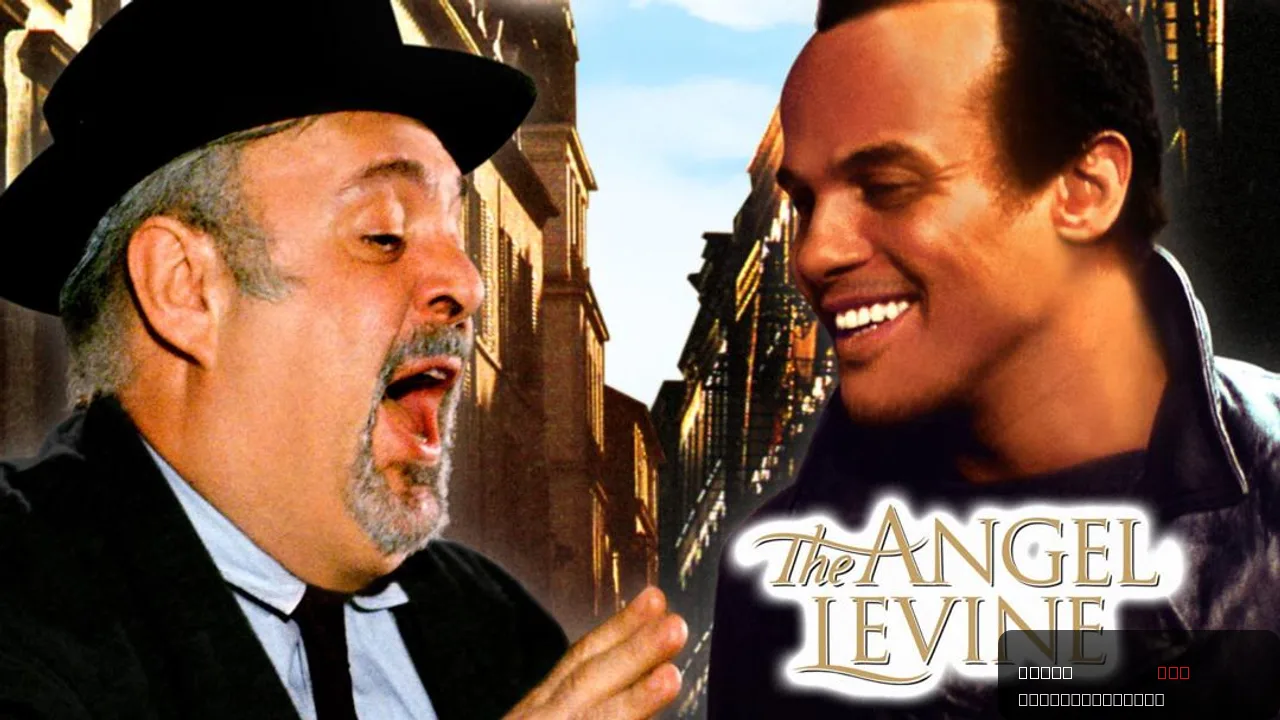
Filmography
Frequently asked questions
When and where was Milo O'Shea born?
Milo O'Shea was born 1926-06-02 in Dublin, Irish Free State.
What films is Milo O'Shea known for?
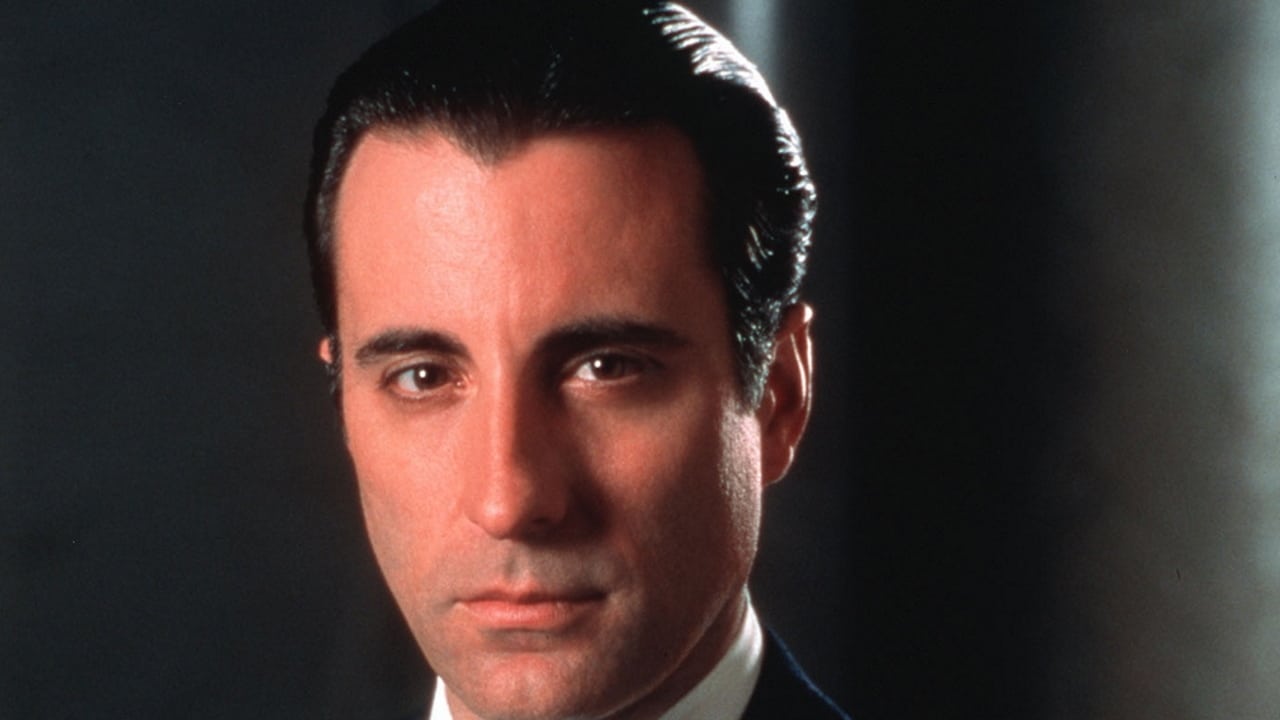
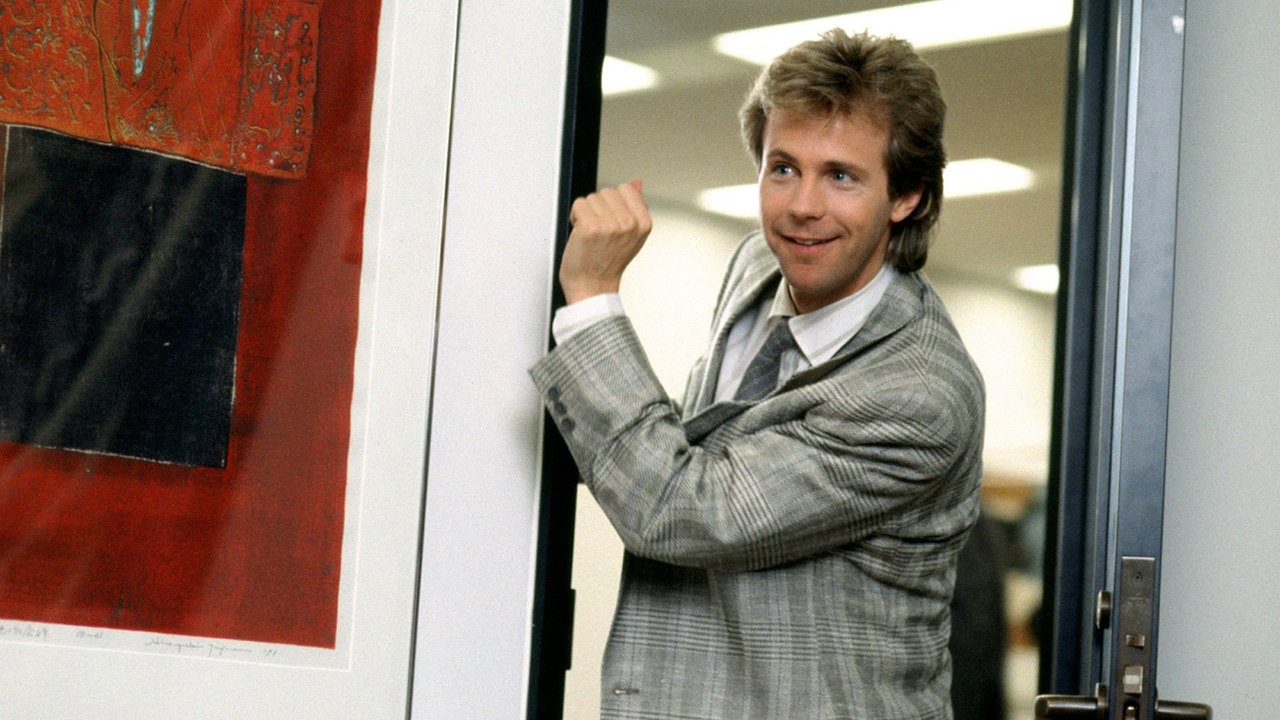
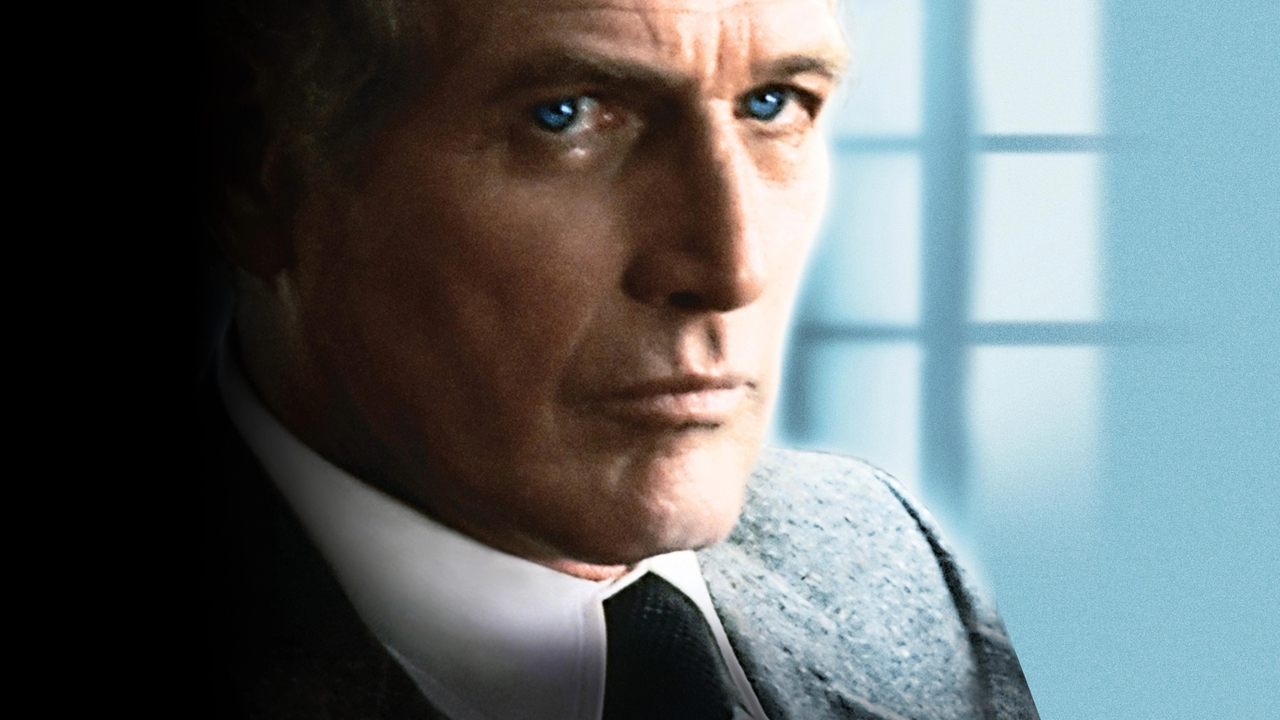
Milo O'Shea has 4 titles indexed on Movie OTT, including Swing Vote, Opportunity Knocks, The Verdict.
Where can I watch Milo O'Shea's films?
1 of Milo O'Shea's films are currently streaming, available on Amazon Prime Video with Ads, Prime Video, ScreenPix Amazon Channel , ScreenPix Apple TV Channel.
How long has Milo O'Shea been active?
Milo O'Shea's film career on Movie OTT spans from 1970 to 1999 — 29 years of work.