Filmmaker
Nicolas Roeg
1 film on Movie OTT · 1 as director
Nicolas Roeg, born on August 15, 1928, in London, England, emerged as one of the most distinctive figures in British cinema. Known for his unique approach to storytelling, Roeg carved a niche for himself as a director who was unafraid to challenge conventional narrative structures. He began his career in the film industry in the late 1940s, initially working in various capacities such as a clapper boy and then as a cinematographer. His early work behind the camera laid a solid foundation for his eventual transition into directing. Roeg is perhaps best known for his innovative direction and bold visual style, which he brought to films like "Don't Look Now" and "The Man Who Fell to Earth," both of which have become staples in discussions about 1970s cinema.
About Nicolas Roeg
Nicolas Roeg, born on August 15, 1928, in London, England, emerged as one of the most distinctive figures in British cinema. Known for his unique approach to storytelling, Roeg carved a niche for himself as a director who was unafraid to challenge conventional narrative structures. He began his career in the film industry in the late 1940s, initially working in various capacities such as a clapper boy and then as a cinematographer. His early work behind the camera laid a solid foundation for his eventual transition into directing. Roeg is perhaps best known for his innovative direction and bold visual style, which he brought to films like "Don't Look Now" and "The Man Who Fell to Earth," both of which have become staples in discussions about 1970s cinema.
Roeg's breakthrough came with the film "Performance," co-directed with Donald Cammell in 1970. This film, which starred Mick Jagger, was unconventional and provocative, blending rock music with a gritty exploration of identity and transformation. "Performance" was initially met with mixed reviews and faced delays in release due to its controversial content, but it has since been regarded as a seminal work that helped redefine the gangster genre. The film marked a turning point in Roeg's career, establishing him as a filmmaker willing to take risks and push boundaries. Following "Performance," Roeg directed "Walkabout" in 1971, which further solidified his reputation for crafting visually stunning films that delve into themes of isolation and survival.
Throughout his career, Nicolas Roeg frequently collaborated with actors and artists who shared his vision for pushing cinematic boundaries. His penchant for working with musicians, like David Bowie in "The Man Who Fell to Earth," highlighted his interest in blending music with film to create a unique sensory experience. Roeg's films often explore themes of time, identity, and human connection, with narratives that are non-linear and visually arresting. Over time, his work evolved to reflect a deepening exploration of psychological and existential concepts, with each film presenting its own set of challenges and innovations. Roeg's style has been described as fragmented yet holistic, creating a tapestry of images and ideas that invite viewers to engage on multiple levels.
In the 1980s, Roeg continued to develop his distinctive voice with films like "Eureka" (1983). "Eureka" stands as a testament to Roeg's ability to weave complex narratives with rich visual storytelling, exploring themes of greed, ambition, and the cost of success. The film, although not as commercially successful as his earlier works, was praised for its ambitious scope and Roeg's unwavering commitment to his artistic vision. It featured a strong cast, including Gene Hackman, and remains a compelling example of Roeg's ability to draw powerful performances from his actors while maintaining his unique directorial style.
Today, Nicolas Roeg holds a respected place in the film industry as a director whose work continues to influence filmmakers and audiences alike. While not as active in recent years, his films remain a subject of study and admiration for their bold approach and innovative techniques. Roeg's contributions have left an indelible mark on the landscape of cinema, and his films continue to inspire new generations of filmmakers who seek to challenge the norms of storytelling. Through his work, Roeg has proven that cinema can be both a visual feast and a profound exploration of the human condition.
Currently streaming
1 of 1 on platforms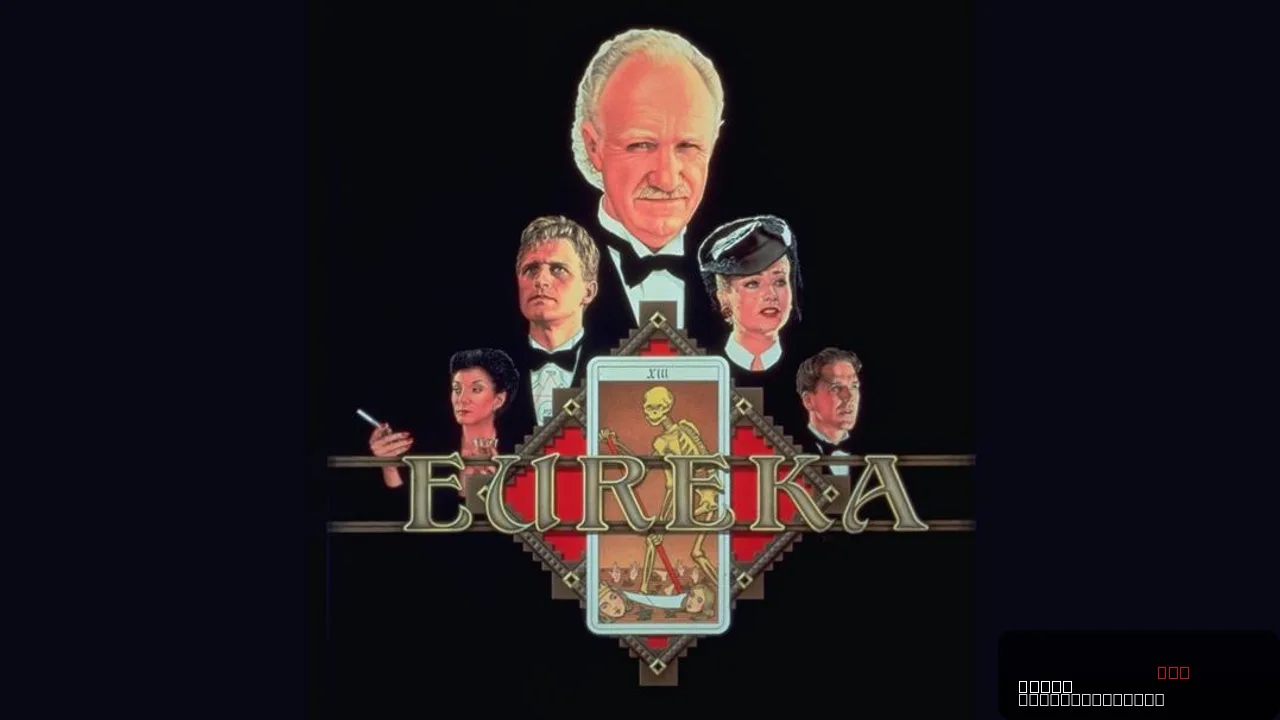
Filmography
Frequently asked questions
When and where was Nicolas Roeg born?
Nicolas Roeg was born 1928-08-15 in London, England, UK.
What films is Nicolas Roeg known for?
Nicolas Roeg has 1 title indexed on Movie OTT, including Eureka.
Where can I watch Nicolas Roeg's films?
1 of Nicolas Roeg's films are currently streaming, available on Prime Video.
Has Nicolas Roeg directed any films?
Yes — Nicolas Roeg has 1 directorial credit indexed on Movie OTT.