Filmmaker
Pablo Trapero
1 film on Movie OTT · 1 as director
Pablo Trapero, born October 4, 1971, in San Justo, Argentina, emerged as a pivotal figure in the New Argentine Cinema movement of the late 1990s and early 2000s. His work is consistently characterized by a stark social realism, often exploring the lives of marginalized individuals and the complexities of Argentine society. From his early independent features to his later, more internationally acclaimed productions, Trapero has cultivated a distinct directorial voice, marked by a commitment to authentic storytelling and a keen observational eye. He quickly established a reputation for gritty, immersive dramas that confront difficult social issues, earning him recognition on the global festival circuit and positioning him as one of Argentina's most significant contemporary filmmakers. His films frequently examine the institutions and power structures that shape human experience, whether through the lens of law enforcement, healthcare, or family dynamics, always grounding these explorations in a tangible, often harsh, reality.
About Pablo Trapero
Pablo Trapero, born October 4, 1971, in San Justo, Argentina, emerged as a pivotal figure in the New Argentine Cinema movement of the late 1990s and early 2000s. His work is consistently characterized by a stark social realism, often exploring the lives of marginalized individuals and the complexities of Argentine society. From his early independent features to his later, more internationally acclaimed productions, Trapero has cultivated a distinct directorial voice, marked by a commitment to authentic storytelling and a keen observational eye. He quickly established a reputation for gritty, immersive dramas that confront difficult social issues, earning him recognition on the global festival circuit and positioning him as one of Argentina's most significant contemporary filmmakers. His films frequently examine the institutions and power structures that shape human experience, whether through the lens of law enforcement, healthcare, or family dynamics, always grounding these explorations in a tangible, often harsh, reality.
Trapero's early career laid the groundwork for his signature style, with his 1999 debut *Mundo Grúa* (Crane World) earning critical praise for its neorealist approach to depicting the life of an aging crane operator. This independent spirit carried into his subsequent projects, notably *El bonaerense* (2002), a film that cemented his thematic preoccupations and directorial methodology. *El bonaerense* follows the journey of a young man from a small town who becomes entangled with the Buenos Aires provincial police force, offering a visceral and unvarnished look at institutional corruption and the moral compromises inherent in such an environment. The film's documentary-like aesthetic, handheld camerawork, and reliance on non-professional actors contributed to its raw authenticity, immersing viewers directly into its often-bleak world. It was a crucial work that highlighted Trapero's ability to craft compelling narratives from the fringes of society, establishing a template for his subsequent explorations of power, justice, and survival within challenging social landscapes. This film, alongside his other early works, underscored his talent for capturing the pulse of contemporary Argentina.
Throughout his career, Trapero has consistently returned to themes of crime, justice, and the socio-economic struggles of the working class, often within specific Argentine contexts. His films frequently portray protagonists navigating morally ambiguous situations, forced to make difficult choices within systems that are often flawed or corrupt. While he has not relied on a fixed ensemble of actors, his collaborations often involve a dedicated crew, contributing to a consistent visual and narrative style. His evolution has seen him move from the strictly independent, low-budget productions of his early years to more ambitious projects with higher production values and international co-financing. Despite this shift in scale, his core focus on human struggle and critical social commentary has remained unwavering. He demonstrates a particular skill in portraying the daily grind and the psychological toll on individuals caught in systemic predicaments, whether in the legal system, medical emergencies, or the criminal underworld. This thematic consistency has allowed his body of work to build into a coherent exploration of modern Argentine identity and its challenges.
Trapero's later work has seen him achieve broader international recognition while continuing to refine his distinctive voice. Films like *Carancho* (2010), a gripping thriller set against the backdrop of ambulance chasers and corrupt insurance schemes, and *Elefante Blanco* (White Elephant, 2012), a drama exploring social work and poverty in Buenos Aires' shantytowns, showcased his ability to blend genre conventions with his characteristic social realism. These films often feature more recognizable stars, yet they never sacrifice the authenticity and grit that defined his earlier projects, including *El bonaerense*. His 2015 film *El Clan* (The Clan), based on the true story of the Puccio family, who kidnapped and murdered people in the 1980s, marked a significant critical and commercial success. It won the Silver Lion for Best Director at the Venice Film Festival and was Argentina's submission for the Academy Award for Best Foreign Language Film, further solidifying his standing as a director capable of reaching both arthouse and wider audiences. This period reflects a maturation of his craft, allowing him to tackle complex historical narratives with the same incisive perspective he brought to contemporary social issues.
Today, Pablo Trapero stands as a prominent voice in Latin American cinema, with a filmography that consistently garners attention at major international festivals. His work continues to resonate due to its unflinching portrayal of societal realities and its profound humanism. He has served on juries at prestigious film festivals, including Cannes, underscoring his influence and respected position within the global film community. While specific ongoing projects are not always publicly detailed, Trapero maintains an active presence, often developing stories that continue his exploration of justice, ethics, and the human condition within the specific cultural and political landscape of Argentina. His contribution to cinema is marked by a persistent dedication to narratives that provoke thought and engage with the complexities of the world around us, ensuring his continued relevance and impact on both regional and international filmmaking.
Currently streaming
1 of 1 on platforms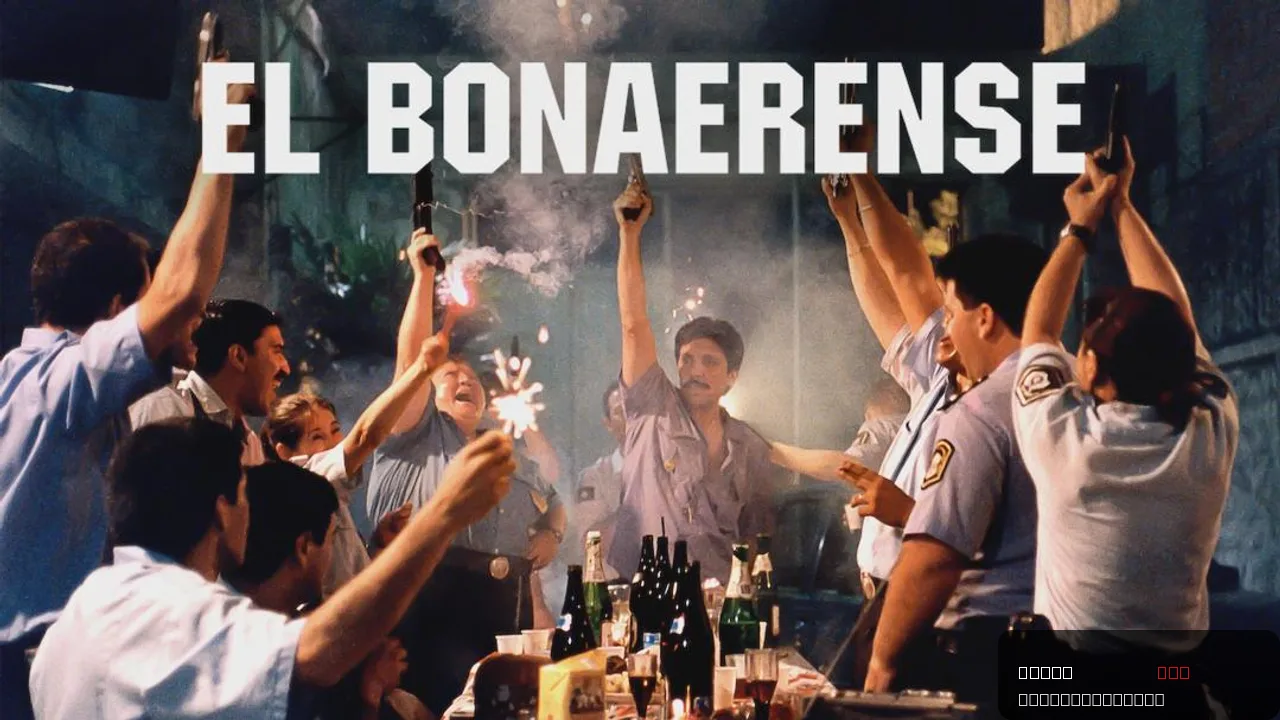
Filmography
Frequently asked questions
When and where was Pablo Trapero born?
Pablo Trapero was born 1971-10-04 in San Justo, Argentina.
What films is Pablo Trapero known for?
Pablo Trapero has 1 title indexed on Movie OTT, including El bonaerense.
Where can I watch Pablo Trapero's films?
1 of Pablo Trapero's films are currently streaming, available on Netflix, Netflix Standard with Ads.
Has Pablo Trapero directed any films?
Yes — Pablo Trapero has 1 directorial credit indexed on Movie OTT.