Actor & Director
Raymond Chow
6 films on Movie OTT · 1 as director · Active 1973–1984
Raymond Chow Man-Wai was born on 8 October 1927 in Hong Kong, then a British Crown Colony, and went on to become one of the most consequential figures in the history of Chinese-language cinema. He did not begin as a filmmaker. Chow built his early career in journalism and public relations before joining Shaw Brothers Studio in the 1950s, where he worked under the formidable Run Run Shaw and absorbed the mechanics of a vertically integrated film operation at full scale. That apprenticeship shaped everything that followed. In 1970, he broke away from Shaw Brothers alongside producer Leonard Ho and founded Golden Harvest, a move that would fundamentally alter the competitive landscape of Hong Kong cinema for the next three decades.
About Raymond Chow
Raymond Chow Man-Wai was born on 8 October 1927 in Hong Kong, then a British Crown Colony, and went on to become one of the most consequential figures in the history of Chinese-language cinema. He did not begin as a filmmaker. Chow built his early career in journalism and public relations before joining Shaw Brothers Studio in the 1950s, where he worked under the formidable Run Run Shaw and absorbed the mechanics of a vertically integrated film operation at full scale. That apprenticeship shaped everything that followed. In 1970, he broke away from Shaw Brothers alongside producer Leonard Ho and founded Golden Harvest, a move that would fundamentally alter the competitive landscape of Hong Kong cinema for the next three decades.
Golden Harvest was the vehicle through which Chow changed the industry. His decisive early gamble was signing Bruce Lee, who had been turned away or undervalued elsewhere. The two films they made together — The Big Boss and Fist of Fury — were immediate commercial events across Asia, and Enter the Dragon, a co-production with Warner Bros., carried Lee's screen presence into Western markets in a way that no Hong Kong production had managed before. Chow understood that Lee was not simply a martial arts performer but a global commodity, and he structured deals accordingly, giving Lee a level of creative and financial participation that Shaw Brothers would never have offered. When Lee died in 1973, just before Enter the Dragon reached theatres, the loss was personal as well as professional. Chow had built a studio around a singular talent, and now had to prove the studio could survive without him.
It could. Chow pivoted quickly, signing Jackie Chan and later supporting the international crossover of films featuring Sammo Hung and Yuen Biao. He also backed the early Hollywood career of Jackie Chan through productions that tested English-language markets. Golden Harvest became the dominant force in Hong Kong genre cinema through the 1970s and 1980s, producing action films, comedies, and hybrid genre pictures with a consistency that few regional studios anywhere in the world could match during the same period. Chow operated as a producer and executive rather than a hands-on director for most of this output, but his influence on tone, budget allocation, and international distribution strategy was direct and traceable across hundreds of titles.
His relationship with Bruce Lee extended beyond Lee's lifetime and into the archive. Chow took on both a directing and acting role in Bruce Lee, the Legend, released in 1984 — a documentary-style retrospective that drew on Golden Harvest's proprietary footage and Chow's own proximity to Lee during the years they worked together. His appearance in front of the camera in Bruce Lee, the Legend is notable precisely because Chow rarely sought screen credit; the film required a witness, and he was the most credible one available. As both director and subject-adjacent narrator of that project, he shaped how Lee's legacy would be packaged and presented to a new generation of viewers, which was itself a form of authorship. Bruce Lee, the Legend stands as one of the few projects where Chow's name appears in multiple capacities, and it reflects the proprietary, total-control approach he brought to the Golden Harvest operation throughout its peak years.
By the 1990s, the Hong Kong film industry faced structural pressures — the approach of the 1997 handover, the rise of Taiwanese and mainland Chinese capital, and a talent drain toward Hollywood — that eroded Golden Harvest's dominance. Chow eventually sold his stake in the company in the 2000s, closing a chapter that had lasted more than thirty years. His place in the industry is defined less by any single film he directed than by the infrastructure he built and the deals he made possible. The careers of Bruce Lee and Jackie Chan as international figures ran through him. That is the work.
Currently streaming
2 of 6 on platforms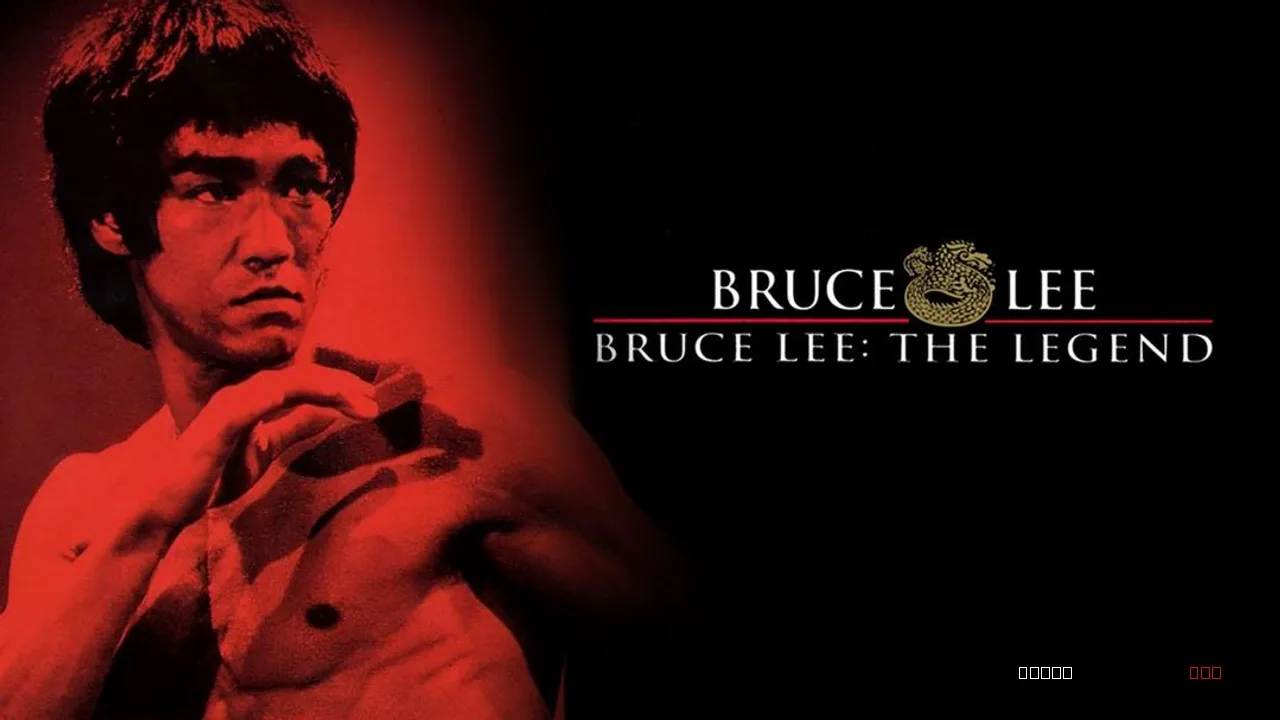

Filmography

Frequently asked questions
When and where was Raymond Chow born?
Raymond Chow was born 1927-10-08 in Hong Kong, British Crown Colony [now China].
What films is Raymond Chow known for?
Raymond Chow has 6 titles indexed on Movie OTT, including Bruce Lee, the Legend, The Miracle Fighters, Knockabout.
Where can I watch Raymond Chow's films?
2 of Raymond Chow's films are currently streaming, available on Paramount+, Max, Apple TV Store, YouTube.
Has Raymond Chow directed any films?
Yes — Raymond Chow has 1 directorial credit indexed on Movie OTT.
How long has Raymond Chow been active?
Raymond Chow's film career on Movie OTT spans from 1973 to 1984 — 11 years of work.