Actor
Richard S. Castellano
2 films on Movie OTT · Active 1972–1980
Richard S. Castellano was a character actor from the Bronx whose career moved at its own pace — unhurried, particular, and shaped almost entirely by his instinct for working-class authenticity. Born on September 4, 1933, he came up through New York theater in the 1960s, building a stage reputation before film work found him. He's remembered today primarily for one role, in one film, but that role happened to be in one of the most discussed American movies ever made, which means his footprint is larger than a short filmography might suggest.
About Richard S. Castellano
Richard S. Castellano was a character actor from the Bronx whose career moved at its own pace — unhurried, particular, and shaped almost entirely by his instinct for working-class authenticity. Born on September 4, 1933, he came up through New York theater in the 1960s, building a stage reputation before film work found him. He's remembered today primarily for one role, in one film, but that role happened to be in one of the most discussed American movies ever made, which means his footprint is larger than a short filmography might suggest.
That film is The Godfather (1972), Francis Ford Coppola's adaptation of Mario Puzo's novel, and Castellano played Peter Clemenza — the heavyset, avuncular caporegime who treats murder and cooking as roughly equivalent domestic tasks. What's striking about the performance is how lived-in it feels, how Castellano doesn't seem to be acting toward Clemenza so much as simply occupying him. The character's most quoted line — "Leave the gun. Take the cannoli." — wasn't in Puzo's source novel; it emerged partly from improvisation on set, and you can feel that looseness in how Castellano delivers it, almost offhand, the way a man who's done this before would actually sound. That single scene, barely a minute long, has outlasted entire careers.
The Godfather put Castellano in a company of actors — Marlon Brando, Al Pacino, James Caan, Robert Duvall, Diane Keaton — whose collective work in that film defined a particular mode of American screen naturalism. He fit into that ensemble without straining, which is its own kind of skill. His theatrical background gave him a physical groundedness that translated well to Coppola's observational, almost documentary approach to the Corleone world. Castellano's work didn't rely on big moments; it relied on texture, on the sense that Clemenza had a whole life happening offscreen.
Hard to say if Castellano's post-Godfather trajectory was entirely by choice or circumstance — he reportedly declined to return for The Godfather Part II (1974) due to contract disputes, a decision that effectively removed him from the franchise and, arguably, from the sustained visibility that might have followed. The role of Clemenza was recast with Michael V. Gazzo. It's one of those what-if detours in film history that doesn't have a clean answer. His screen appearances after 1972 were limited, and he didn't accumulate the dense later filmography that some of his contemporaries did. The stage remained a constant.
The Godfather stands as the defining entry in his filmography, and it's the film that brings most visitors to a page like this. Coppola's production was released in March 1972 and grossed over $245 million worldwide against a $6 million budget — at the time, the highest-grossing film ever made — and it won the Academy Award for Best Picture. Castellano received no individual nomination for his supporting work, which (honestly) feels like an oversight in retrospect, though the competition within that cast alone was formidable. His Clemenza is one of the reasons the film's peripheral world feels as fully realized as its center.
Castellano passed away in December 1988. He was 55. His screen output was modest by Hollywood standards, but The Godfather isn't a modest film to have on your record, and Clemenza isn't a modest part within it. There's a version of his career that might have unfolded differently after 1972. The version that actually existed was quieter, more stage-bound, less documented. What remains is a single defining performance in a film that doesn't age — and a line about cannoli that people still quote to each other fifty years later.
Currently streaming
1 of 2 on platforms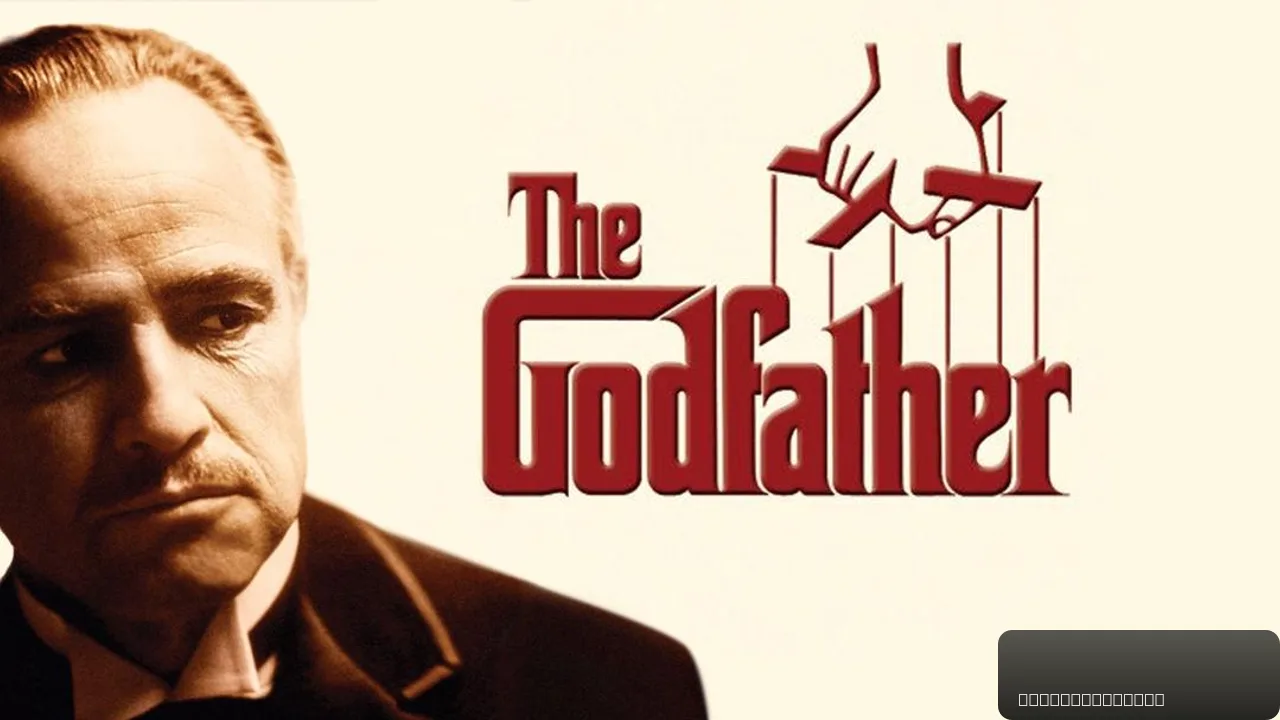
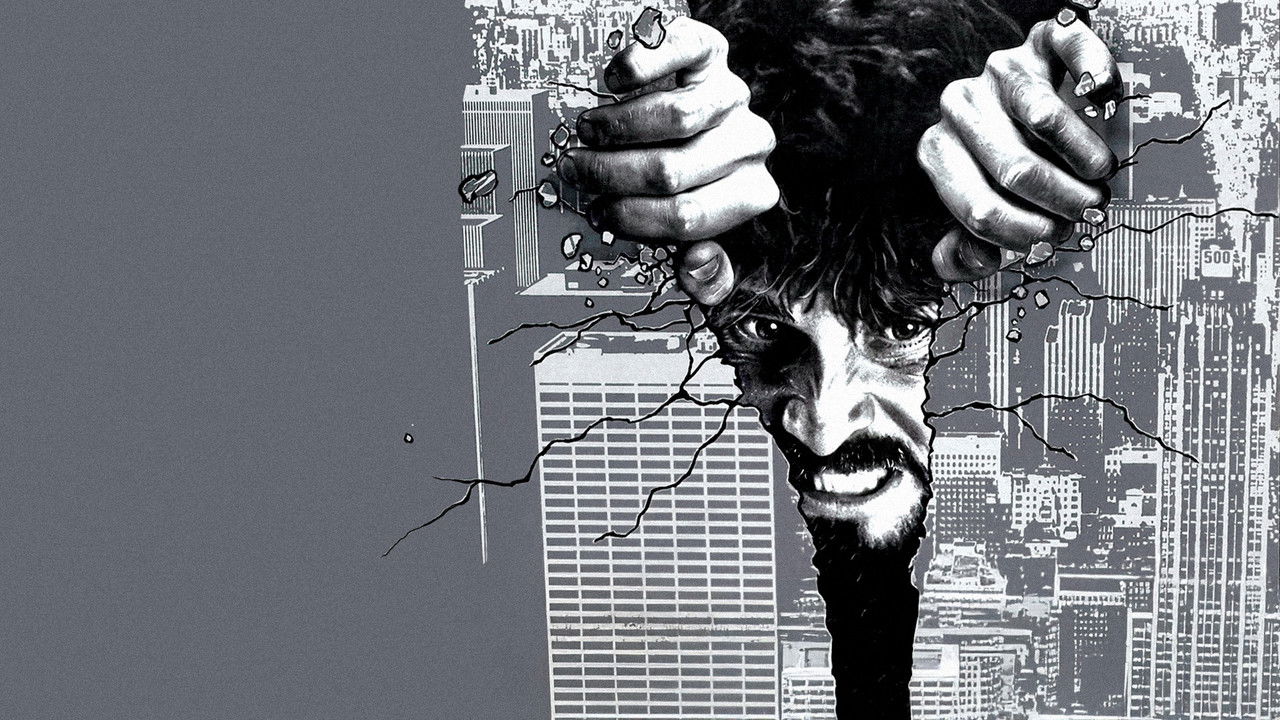
Filmography
Frequently asked questions
When and where was Richard S. Castellano born?
Richard S. Castellano was born 1933-09-04 in The Bronx, New York City, New York, USA.
What films is Richard S. Castellano known for?
Richard S. Castellano has 2 titles indexed on Movie OTT, including Night of the Juggler, The Godfather.
Where can I watch Richard S. Castellano's films?
1 of Richard S. Castellano's films are currently streaming, available on Prime Video.
How long has Richard S. Castellano been active?
Richard S. Castellano's film career on Movie OTT spans from 1972 to 1980 — 8 years of work.