Actor & Director
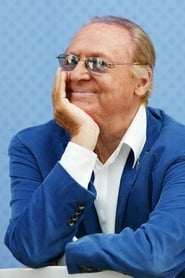
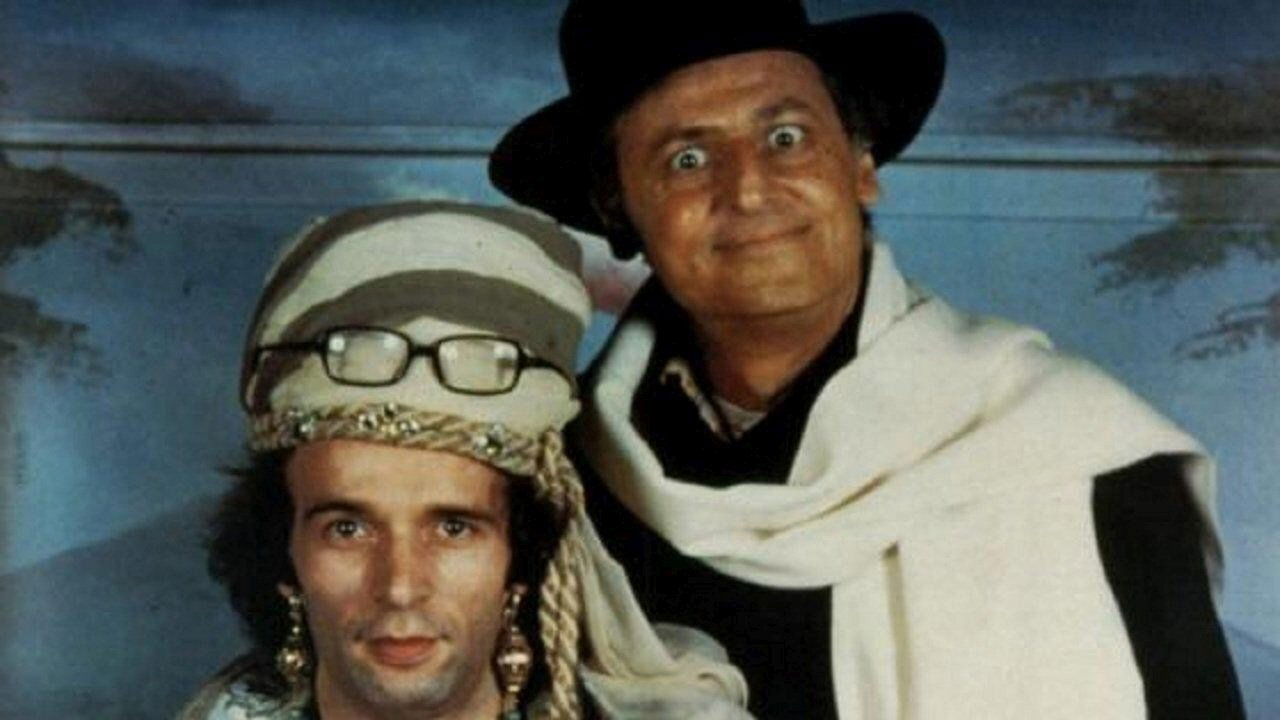
Roberto Benigni
5 films on Movie OTT · 1 as director · Active 1983–2026
Roberto Benigni is an Italian actor, director, and comedian who emerged from the Tuscan theatrical tradition in the 1970s and went on to become one of the most recognizable Italian performers in international cinema. Born on October 27, 1952, in Manciano La Misericordia, a small hamlet near Castiglion Fiorentino in the province of Arezzo, he grew up in a rural, working-class household — the kind of origin story that shaped his persistent instinct to find absurdist comedy in suffering and constraint. He started performing in avant-garde theater in Florence before television discovered him, and by the early 1980s he was a household name in Italy, known for a manic physical style and a gift for language that could shift from crude slapstick to lyrical monologue mid-sentence.
About Roberto Benigni
Roberto Benigni is an Italian actor, director, and comedian who emerged from the Tuscan theatrical tradition in the 1970s and went on to become one of the most recognizable Italian performers in international cinema. Born on October 27, 1952, in Manciano La Misericordia, a small hamlet near Castiglion Fiorentino in the province of Arezzo, he grew up in a rural, working-class household — the kind of origin story that shaped his persistent instinct to find absurdist comedy in suffering and constraint. He started performing in avant-garde theater in Florence before television discovered him, and by the early 1980s he was a household name in Italy, known for a manic physical style and a gift for language that could shift from crude slapstick to lyrical monologue mid-sentence.
The work that defined him for the world, though, came later. La vita è bella — which he wrote, directed, and starred in — opened in Italy in 1997 and won three Academy Awards at the 1999 ceremony, including Best Foreign Language Film and Best Actor, making Benigni the third person ever to win Best Actor for a non-English performance. That film, set partly in a Nazi concentration camp, asks something genuinely uncomfortable of its audience: laugh at a man's desperate clowning while knowing why he's performing it. What's striking is how the comedy doesn't soften the horror so much as make it unbearable in a completely different register. His character Guido constructs an elaborate fictional game for his young son to survive the camp, and the performance walks a line that most actors wouldn't even attempt.
Before that peak, Benigni had built a productive working relationship with director Jim Jarmusch — Down by Law (1986) and Night on Earth (1991) gave international art-house audiences their first sustained look at him, and both films leaned into his foreignness as a kind of comic engine. He can't quite fit into any situation he's placed in, and that friction is the point. His collaborations with director and co-writer Vincenzo Cerami were equally formative; Cerami co-wrote La vita è bella with him, and their shared sensibility — rooted in Italian literary tradition but willing to go places literary tradition usually avoids — gave Benigni's best work its particular texture. He returned to directing with Pinocchio (2002), which he also starred in as the wooden puppet (playing the role well into his forties, a choice that divided critics sharply), and then La tigre e la neve in 2005.
His appearance in Son of the Pink Panther (1993) sits in an interesting place in his filmography — a Hollywood studio comedy directed by Blake Edwards, with Benigni playing the illegitimate son of Inspector Clouseau. It's not the film anyone leads with when discussing his career, and honestly it doesn't ask much of him beyond the physical comedy he could do in his sleep. But it arrived at a moment when American producers were clearly trying to figure out what to do with him, and the answer they found wasn't quite right. The charm is there. The machinery around it isn't.
Since his peak international visibility in the late 1990s and early 2000s, Benigni has worked more selectively, with a notable turn toward literary performance — his live readings of Dante's Divine Comedy became a recurring public event in Italy, drawing large crowds and considerable television coverage, which says something about the way Italian culture treats its performers differently than Hollywood does. He's an actor who never entirely belonged to film in the first place. Stage energy, literary instinct, a body that performs before the face does. Hard to say if there's a late-career film role still ahead of him that matches what La vita è bella demanded, but the appetite for that kind of performance — dark material held inside a comedic frame — doesn't seem to have left him.
Currently streaming
1 of 5 on platforms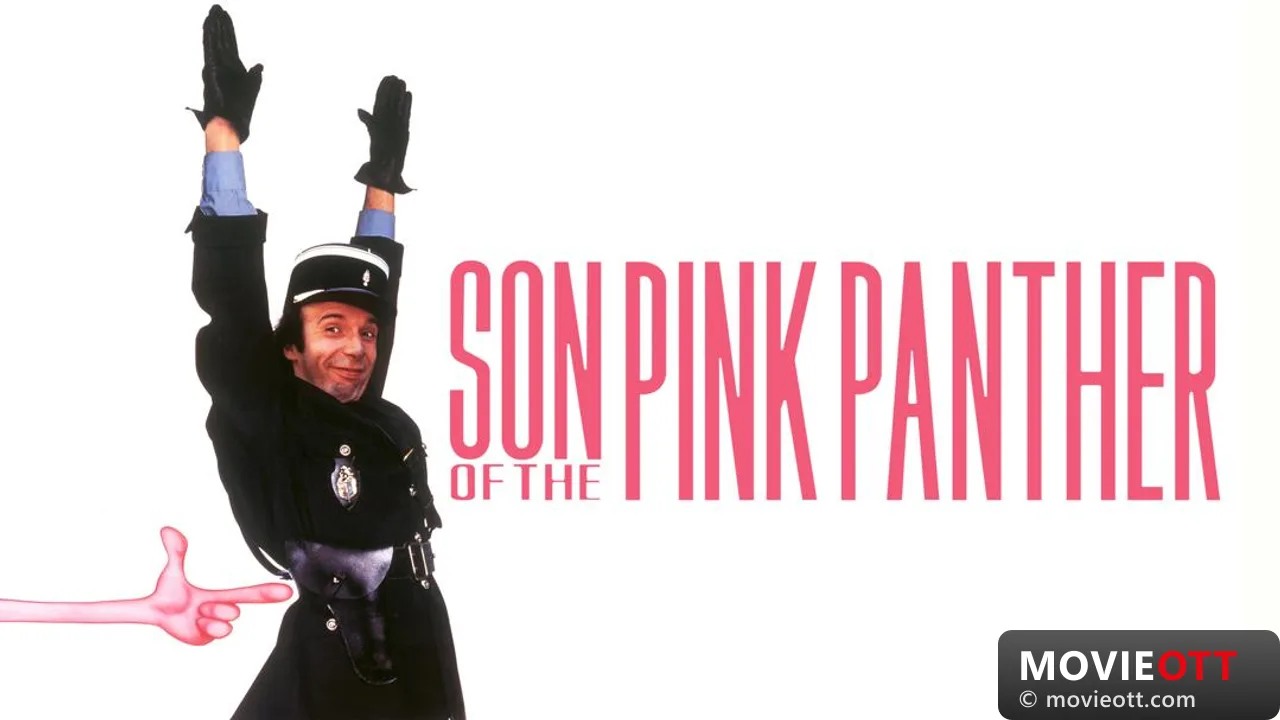
Filmography

Frequently asked questions
When and where was Roberto Benigni born?
Roberto Benigni was born 1952-10-27 in Manciano La Misericordia, Castiglion Fiorentino, Arezzo, Italy.
What films is Roberto Benigni known for?
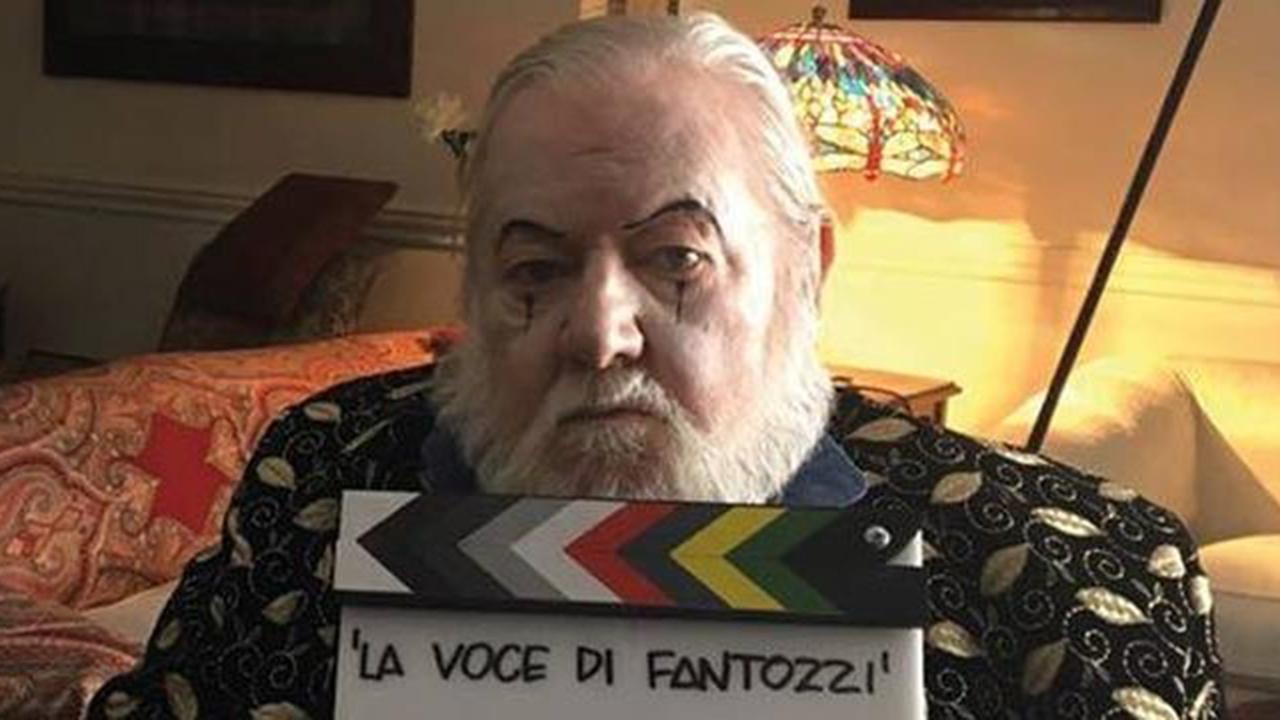
Roberto Benigni has 5 titles indexed on Movie OTT, including The Singing Priest: A Journey of Faith and Music, La voce di Fantozzi, Son of the Pink Panther.
Where can I watch Roberto Benigni's films?
1 of Roberto Benigni's films are currently streaming, available on Amazon Prime Video with Ads, Prime Video, The Roku Channel, Tubi TV.
Has Roberto Benigni directed any films?
Yes — Roberto Benigni has 1 directorial credit indexed on Movie OTT.
How long has Roberto Benigni been active?
Roberto Benigni's film career on Movie OTT spans from 1983 to 2026 — 43 years of work.