Actor & Director
Rodrigo García
5 films on Movie OTT · 4 as director · Active 2005–2026
Rodrigo García is a Colombian-born filmmaker and writer who has spent the better part of three decades working at the intersection of literary fiction and screen drama, building a reputation for intimate, character-driven work that doesn't chase spectacle so much as sit quietly inside a moment until something true surfaces. Born in Bogotá on August 24, 1959 — and yes, he's the son of Gabriel García Márquez, which is the kind of biographical footnote that could either define or suffocate a career — he moved into film and television through a path that ran more through American independent cinema than through any Latin American industry, eventually establishing himself as a director with a particular gift for stories about women navigating grief, desire, and the ordinary weight of being alive.
About Rodrigo García
Rodrigo García is a Colombian-born filmmaker and writer who has spent the better part of three decades working at the intersection of literary fiction and screen drama, building a reputation for intimate, character-driven work that doesn't chase spectacle so much as sit quietly inside a moment until something true surfaces. Born in Bogotá on August 24, 1959 — and yes, he's the son of Gabriel García Márquez, which is the kind of biographical footnote that could either define or suffocate a career — he moved into film and television through a path that ran more through American independent cinema than through any Latin American industry, eventually establishing himself as a director with a particular gift for stories about women navigating grief, desire, and the ordinary weight of being alive.
His early television work gave him the infrastructure to develop that sensibility at scale. He directed episodes of Six Feet Under and The Sopranos during periods when both shows were doing some of the most formally ambitious storytelling on American television, and that experience seems to have sharpened his instinct for restraint — for knowing when to let an actor's face carry what dialogue can't. What's striking is how consistently he returned to ensemble formats built around parallel lives, stories that don't converge so much as rhyme with each other across separate scenes.
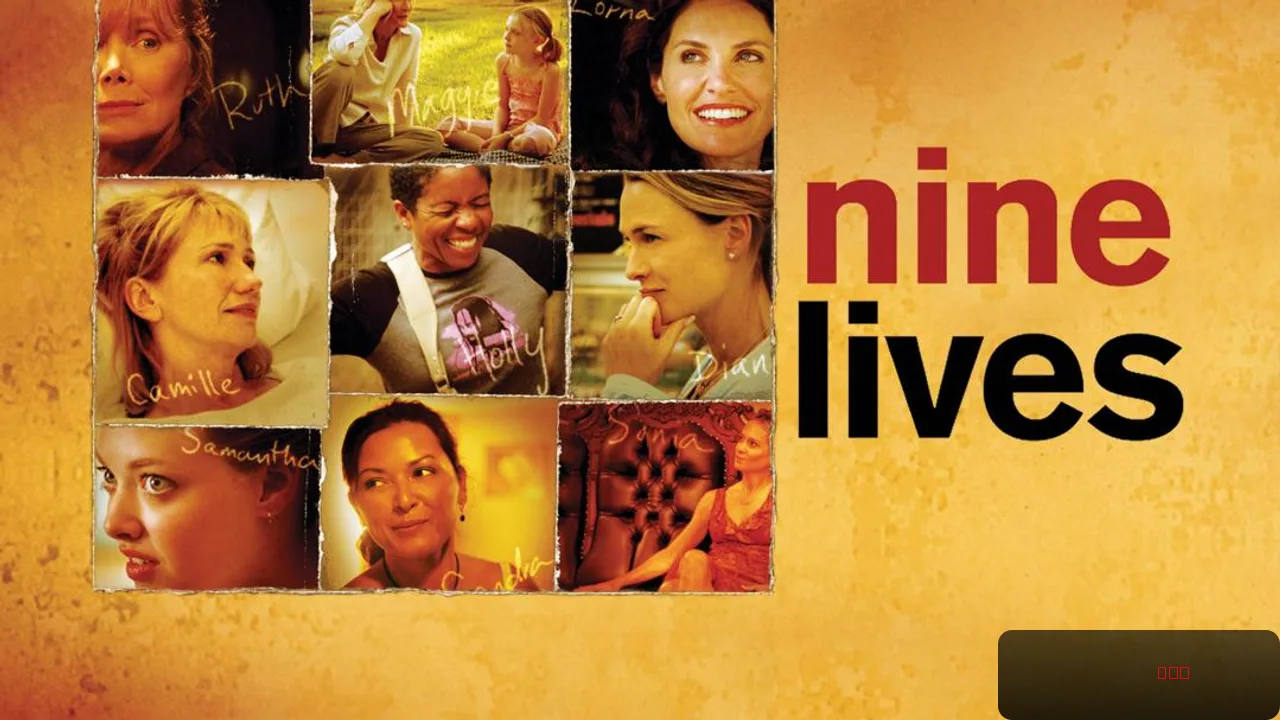
That structural instinct found its fullest expression in Nine Lives (2005), a film that García both wrote and directed, built from nine separate vignettes — each one a single unbroken take — each following a different woman through a compressed, emotionally loaded moment in her life. The film's formal constraint (no cuts, no safety net) pushed performances to a rawness that edited drama rarely achieves, and the cast García assembled — Robin Wright, Glenn Close, Holly Hunter, Sissy Spacek, among others — responded to that pressure with work that felt almost uncomfortably real. There's a scene between Wright and Jason Isaacs set in a grocery store that runs something like eight minutes without a single cut, and it's the kind of sequence that makes you realize how much conventional editing lets both filmmakers and audiences off the hook. Hard to say if the single-take format was a philosophical commitment or a practical provocation, but it worked.
García's recurring themes — female interiority, the emotional labor that goes largely unwitnessed in domestic and relational life, the way people carry loss without announcing it — run through his work with enough consistency that they feel less like subject matter and more like a genuine preoccupation. He's collaborated repeatedly with actors who do their best work in stillness, and his scripts tend to trust silence in a way that's become rarer as streaming platforms have pushed toward faster pacing and higher incident density.
He has also worked as a writer and director on prestige television projects, including the HBO miniseries In Treatment, where he served as a writer and director across multiple seasons — work that demanded the same compressed, dialogue-intensive approach that made Nine Lives feel so specific and controlled. That show's format (a single therapy session per episode, almost no exterior scenes) was a natural fit for a filmmaker who'd already demonstrated he could hold an audience inside a single room for an extended stretch without losing them.
García doesn't make films quickly or often, and his output reflects someone who'd rather wait for the right material than fill a release schedule. His place in the industry is quieter than his filmography probably deserves — Nine Lives in particular tends to get rediscovered in cycles, pulled back into conversation whenever audiences start looking for what American independent cinema was doing in the mid-2000s before the streaming era reorganized everything. The film holds up. That's not nothing.
Currently streaming
2 of 5 on platforms
Filmography

Frequently asked questions
When and where was Rodrigo García born?
Rodrigo García was born 1959-08-24 in Bogotá, DC, Colombia.
What films is Rodrigo García known for?
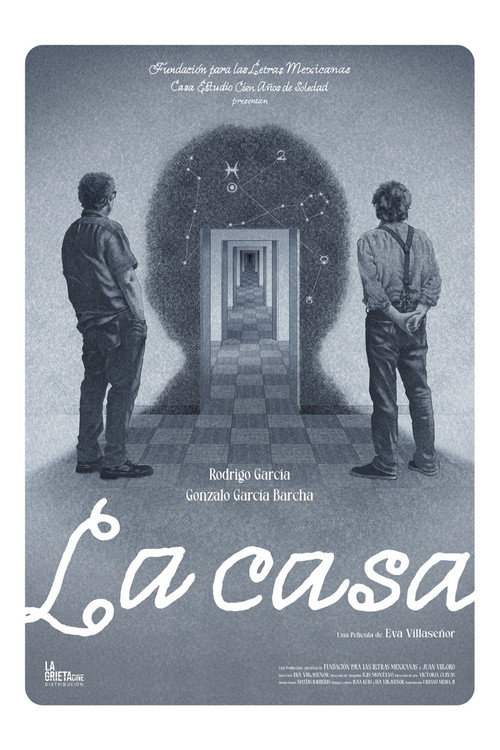
Rodrigo García has 5 titles indexed on Movie OTT, including La casa, Four Good Days, Mother and Child.
Where can I watch Rodrigo García's films?
2 of Rodrigo García's films are currently streaming, available on Prime Video.
Has Rodrigo García directed any films?
Yes — Rodrigo García has 4 directorial credits indexed on Movie OTT.
How long has Rodrigo García been active?
Rodrigo García's film career on Movie OTT spans from 2005 to 2026 — 21 years of work.