Filmmaker
Takao Okawara
4 films on Movie OTT · 4 as director · Active 1992–1999
Takao Okawara, born on December 20, 1949, in Tokyo, Japan, is a director prominently associated with the enduring kaiju genre, a distinct and globally recognized facet of Japanese cinema. His career has seen him contribute to some of the most iconic monster film franchises, primarily within the legendary Godzilla series, where he has helmed multiple installments. Okawara's work often navigates the intricate balance between large-scale special effects spectacle and character-driven narrative, a hallmark of the genre's appeal. His directorial vision has helped shape the visual and thematic evolution of these beloved creatures, leaving a significant mark on the landscape of Japanese fantasy filmmaking.
About Takao Okawara
Takao Okawara, born on December 20, 1949, in Tokyo, Japan, is a director prominently associated with the enduring kaiju genre, a distinct and globally recognized facet of Japanese cinema. His career has seen him contribute to some of the most iconic monster film franchises, primarily within the legendary Godzilla series, where he has helmed multiple installments. Okawara's work often navigates the intricate balance between large-scale special effects spectacle and character-driven narrative, a hallmark of the genre's appeal. His directorial vision has helped shape the visual and thematic evolution of these beloved creatures, leaving a significant mark on the landscape of Japanese fantasy filmmaking.
While a comprehensive overview of Okawara's early career remains less widely documented outside of Japan, his trajectory suggests a deep immersion in the studio system responsible for producing effects-heavy features. Directors working within the kaiju genre typically hone their craft across various production roles, gaining expertise in visual storytelling and managing complex technical demands. His eventual ascent to directing major entries in the Godzilla franchise indicates a proven ability to deliver on the high expectations associated with such established properties. These roles often require not only a strong understanding of cinematic language but also a particular sensitivity to the legacy and fan expectations surrounding these mythical creatures, ensuring continuity while introducing fresh perspectives.
Okawara's filmography, particularly his contributions to the Godzilla series, reveals a director adept at orchestrating massive destruction sequences while grounding the chaos in human drama. He often collaborated with key figures in Japanese special effects, such as Koichi Kawakita, who was instrumental in defining the visual style of the Heisei era Godzilla films. Thematic concerns frequently explored in his work, consistent with the genre's history, include the environmental impact of human actions, the perils of unchecked scientific ambition, and the resilience of the human spirit in the face of overwhelming power. His films often reflect a period in the Godzilla franchise where the creature's portrayal shifted between menacing force of nature and a more sympathetic, albeit destructive, entity. This evolution over time, from the more serious tone of earlier Heisei films to the slightly more action-oriented Millennium series, speaks to Okawara's adaptability in steering the franchise through different creative mandates.
A notable entry in his recent career direction is *Godzilla 2000: Millennium* (1999), a film that marked a significant moment for the franchise. This particular installment was designed to re-energize the series for a new era, following a brief hiatus and an American attempt at reimagining the monster. Okawara’s direction in *Godzilla 2000: Millennium* saw a return to the classic Japanese aesthetic and narrative approach, presenting a new iteration of Godzilla battling an ancient alien entity. The film emphasized practical effects mixed with emerging digital techniques, showcasing the dynamic visual style that defined much of the Millennium series. His work on *Godzilla 2000: Millennium* solidified his position as a crucial voice in maintaining the integrity and legacy of the Toho monster universe as it transitioned into the twenty-first century.
Takao Okawara’s place in Japanese cinema is firmly established through his commitment to the kaiju genre, a style of filmmaking that has captivated audiences worldwide for decades. While his directorial output may not be as extensive as some of his contemporaries across broader genres, his influence within the specific niche of giant monster films is undeniable. His contributions ensure that the spectacle and deeper symbolic meanings of these films continue to resonate. He represents a generation of filmmakers who meticulously crafted cinematic worlds where ancient myths and modern anxieties collide, perpetuating a unique cultural phenomenon that remains vibrant to this day.
Currently streaming
3 of 4 on platforms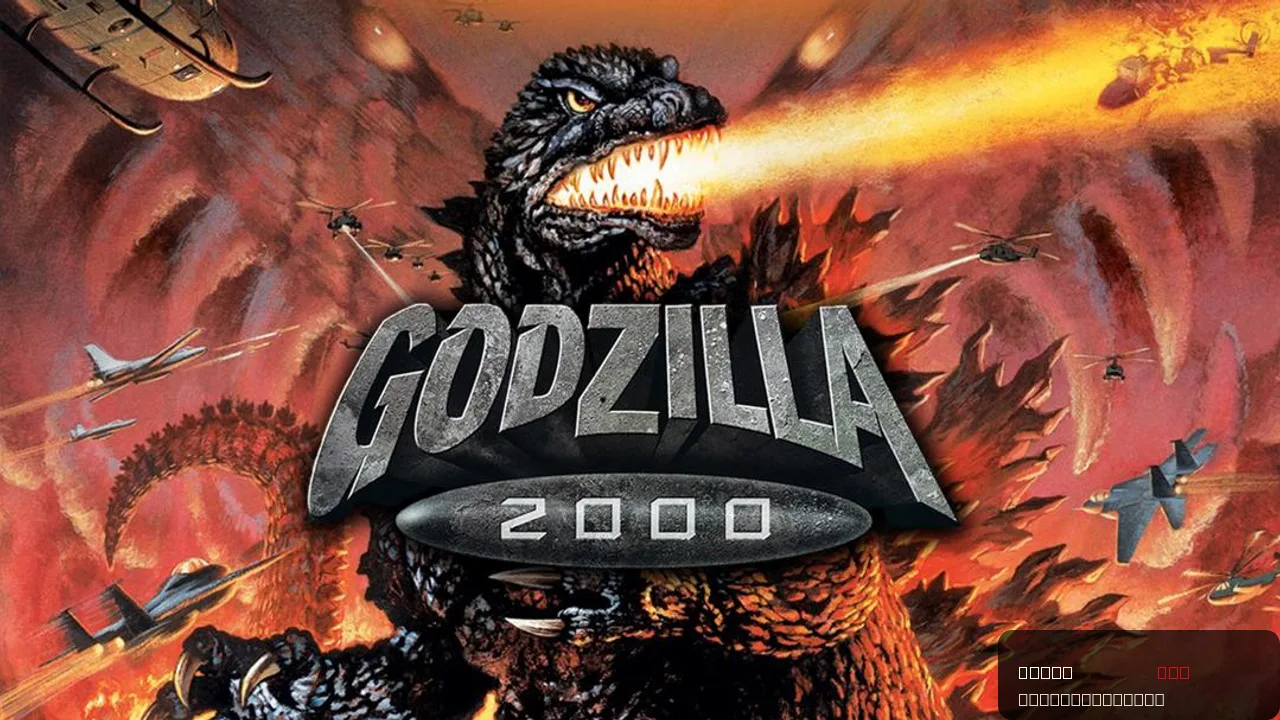

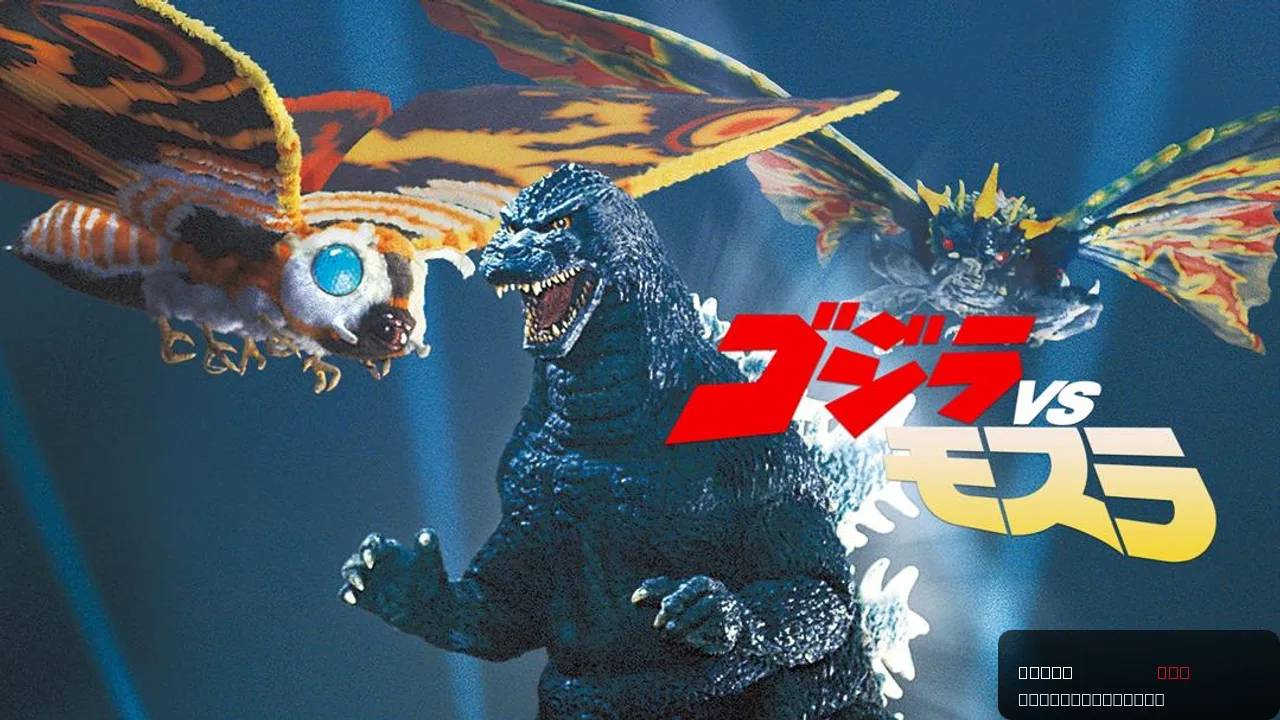
Filmography
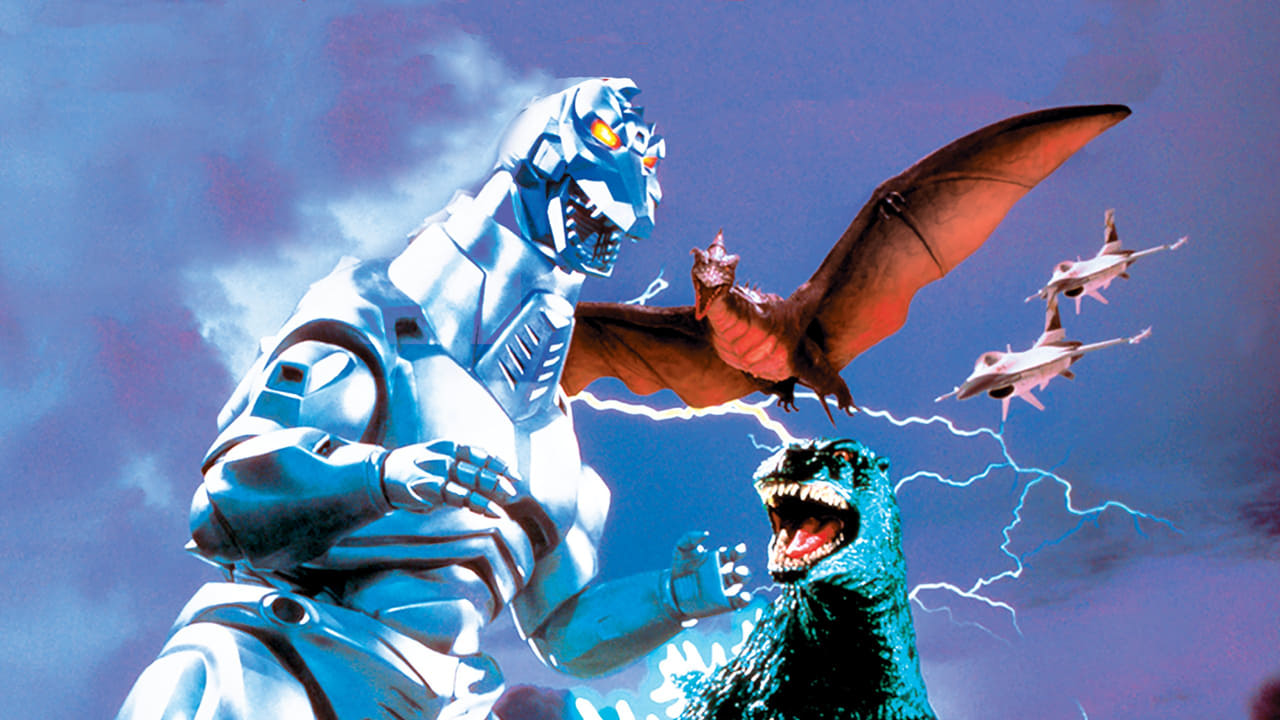
Frequently asked questions
When and where was Takao Okawara born?
Takao Okawara was born 1949-12-20 in Tokyo, Japan.
What films is Takao Okawara known for?
Takao Okawara has 4 titles indexed on Movie OTT, including Godzilla 2000: Millennium, Godzilla vs. Destoroyah, Godzilla vs. Mechagodzilla II.
Where can I watch Takao Okawara's films?
3 of Takao Okawara's films are currently streaming, available on Netflix, Apple TV Store, Fandango At Home, Google Play Movies.
Has Takao Okawara directed any films?
Yes — Takao Okawara has 4 directorial credits indexed on Movie OTT.
How long has Takao Okawara been active?
Takao Okawara's film career on Movie OTT spans from 1992 to 1999 — 7 years of work.