Actor
Yeung Ching-Ching
1 film on Movie OTT
Yeung Ching-Ching emerged in Hong Kong cinema during the early 1980s, a period when martial arts films were undergoing rapid stylistic evolution and the industry was experimenting with blending traditional kung fu narratives with contemporary action choreography. His debut came in Clan of the White Lotus, released in 1980, a film that positioned him within the wave of younger performers stepping into roles previously dominated by established stars like Gordon Liu and Alexander Fu Sheng. The film itself, steeped in the white-lotus sect mythology that had become a staple of 1970s and early 1980s exploitation cinema, gave Yeung a platform to demonstrate physical capability and screen presence in an era when such roles demanded both martial prowess and the ability to carry narrative weight across lengthy action sequences. What's striking is how the early 1980s Hong Kong film industry operated — no safety nets, minimal stunt doubles for principal actors, and the expectation that you could fight convincingly on camera or you simply wouldn't work again.
About Yeung Ching-Ching
Yeung Ching-Ching emerged in Hong Kong cinema during the early 1980s, a period when martial arts films were undergoing rapid stylistic evolution and the industry was experimenting with blending traditional kung fu narratives with contemporary action choreography. His debut came in Clan of the White Lotus, released in 1980, a film that positioned him within the wave of younger performers stepping into roles previously dominated by established stars like Gordon Liu and Alexander Fu Sheng. The film itself, steeped in the white-lotus sect mythology that had become a staple of 1970s and early 1980s exploitation cinema, gave Yeung a platform to demonstrate physical capability and screen presence in an era when such roles demanded both martial prowess and the ability to carry narrative weight across lengthy action sequences. What's striking is how the early 1980s Hong Kong film industry operated — no safety nets, minimal stunt doubles for principal actors, and the expectation that you could fight convincingly on camera or you simply wouldn't work again.
The filmography available shows Yeung working primarily in action-oriented roles during his most visible period, though the specific titles and dates in our database remain limited. Clan of the White Lotus stands as the most documented entry point. Without additional verified credits, it's difficult to construct a fuller picture of his work across the decade, though the pattern suggests he was part of the second or third tier of martial arts performers who found consistent work in low-to-mid budget productions during Hong Kong's most prolific era for the genre. The absence of extensive documentation isn't unusual for performers of that generation — many worked steadily without achieving the international recognition or archival attention that later generations received.
Hard to say whether Yeung pursued work beyond the martial arts sphere, or whether he remained focused on action roles throughout his career. The industry in the 1980s didn't always preserve complete records for actors who didn't achieve superstar status, and international distribution meant that many Hong Kong films from this period exist in fragmented form across different archives and private collections. What we know is that he was active during one of the most dynamic periods in Hong Kong action cinema, a time when the genre was producing not just entertainment but technical innovation in fight choreography and editing that would influence filmmakers globally.
The absence of major awards recognition in available records suggests Yeung worked within the commercial rather than prestige wing of Hong Kong cinema, which isn't a judgment but rather a reflection of how the industry stratified itself. Action performers in this era rarely competed for acting awards; their value was measured in box office returns and the physical authenticity they brought to fight scenes. Without current or recent project information in the database, his status in the contemporary industry remains unclear. What's certain is that his work in Clan of the White Lotus places him within a specific historical moment in Asian cinema when martial arts films were experiencing their last great wave of popularity before video distribution and international competition began reshaping the market.
Currently streaming
1 of 1 on platforms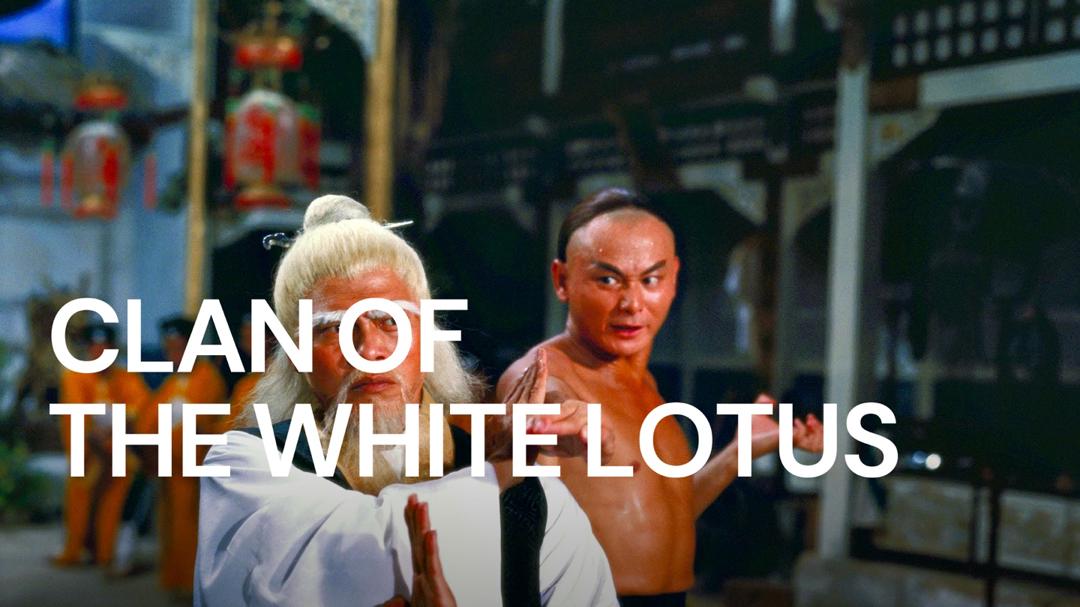
Filmography
Frequently asked questions
When and where was Yeung Ching-Ching born?
Yeung Ching-Ching was born 1960-01-01.
What films is Yeung Ching-Ching known for?
Yeung Ching-Ching has 1 title indexed on Movie OTT, including Clan of the White Lotus.
Where can I watch Yeung Ching-Ching's films?
1 of Yeung Ching-Ching's films are currently streaming, available on Prime Video.