The Five Horror Sequels That Killed Their Own Franchises
TL;DR: Horror legacy sequels—films that resurrect beloved franchises with original cast members—have produced some of cinema's most stunning failures. Halloween Kills, Friday the 13th: A New Beginning, Alien: Resurrection, The Exorcist II, and A Nightmare on Elm Street 5 share a structural problem: they mistake audience loyalty for audience approval. Here's where these films went wrong, which ones are still worth watching for different reasons, and where to find them.
Studios greenlight legacy sequels on a single assumption: audiences showed up for the last one, so they'll show up for this one. That's not filmmaking. That's accounting.
Horror franchises have always bent rules other genres won't touch. Cast turnover, tonal whiplash, directorial swaps every installment—the genre tolerates reinvention in ways that, say, spy thrillers don't. Tobe Hooper proved this worked when he pivoted from the suffocating dread of The Texas Chain Saw Massacre (1974) to something closer to satire with the 1986 sequel. Different approaches, same DNA.
But there's a difference between reinvention and indifference. The five films we're about to examine aren't bold failures. They're movies that stopped trying altogether.
Why The Exorcist II is actually worse than you remember
The Exorcist II: The Heretic (1977) didn't just fail. It poisoned the well so thoroughly that the franchise took nearly 15 years to recover.
William Friedkin's original The Exorcist (1973) was a phenomenon—reportedly causing audience members to faint in theaters. It earned $441 million worldwide on a $12 million budget and became one of the most profitable horror films ever made. The Catholic Church lobbied to ban it. Priests attended screenings to offer blessings in parking lots. That's not hype. That's documented history.
John Boorman directed the sequel, and here's the thing about Boorman: he's genuinely talented. Deliverance and Point Blank are legitimately great films. Yet The Exorcist II plays like he watched the original once, took notes on "religious imagery" and "young girl in peril," then made a globe-trotting adventure serial instead. There's no claustrophobia. No domestic terror. No sense that evil is seeping into an ordinary home. He threw out the architecture that made Friedkin's film terrifying and replaced it with spectacle.
William Friedkin didn't hold back in interviews. He told multiple outlets over the years that The Exorcist II was the worst film he'd ever seen—a statement he repeated consistently enough that it became shorthand in horror criticism for how badly a sequel can miss the point of its source material.
Where to watch: Amazon Prime Video (US and India). English audio only. Runtime: 117 minutes. Don't watch this expecting horror. Watch it as a case study in how a talented director can completely misunderstand what made the original work.
Friday the 13th: A New Beginning betrayed its own momentum
By 1985, Friday the 13th had built something genuinely clever across four films. Each installment recontextualized the killer in a different way: the twist reveal, Jason's introduction as the actual villain, the iconic hockey mask. The Final Chapter (1984) introduced Tommy Jarvis, a young protagonist played by Corey Feldman with real potential for a recurring hero.
A New Beginning (1985) replaced Feldman with John Shepherd, sidelined Jason entirely—the "killer" is a paramedic copycat—and delivered an ensemble cast so insufferable that the film's own twist feels like a punishment for the audience.
The logic was clear: without Jason, filmmakers could reinvent the franchise. What they actually did was prove that Jason wasn't just the killer. He was the franchise. A copycat murderer doesn't work as a replacement because the Friday the 13th audience didn't come for murder-mystery plotting. They came for Jason. The film treated this like a clever subversion. Audiences treated it like a betrayal.
This one's harder to find. Streaming availability shifts regularly due to ongoing IP disputes between Paramount and the Friday the 13th rights holders. Check Movie OTT's tracker for current status in your region. Runtime: 92 minutes. Only watch if you're completing the full franchise chronologically (which, honestly, is the only legitimate reason to watch it at all).
Alien: Resurrection had the wrong director for the job
Jean-Pierre Jeunet is a visually distinctive filmmaker. His Amélie (2001) works because whimsy is the point. His Delicatessen (1991) uses grotesque production design to express theme.
Alien: Resurrection (1997) features his visual sensibility applied to the wrong franchise. Jeunet brought texture, baroque set dressing, and weird tonal moments. He did not bring dread. And dread is what the Alien franchise requires—that suffocating sense that something unstoppable is hunting you in a space with nowhere to run.
Sigourney Weaver, who'd carried the franchise through three previous films, appears visibly disengaged here. The performance reads like someone completing a contractual obligation. There's a scene where clone-Ripley discovers a room full of her own failed predecessors, and Weaver plays it with genuine anguish. That moment works. Almost nothing around it does. She'd built Ripley into an icon of competence under pressure. In Jeunet's vision, Ripley became a supporting character in someone else's fever dream.
The film made money—$161 million worldwide—but that's a deceptive metric. A franchise with Sigourney Weaver and the Alien name attached will make money regardless of quality. What matters is what comes next: the franchise stalled for years after this, which tells you everything about the damage it did to the brand.
Disney+ Hotstar carries this in India; Disney+ has it in the US. Runtime: 109 minutes. The opening 20 minutes are solid. Everything after that is Jeunet fighting against the material instead of working with it. Watch Alien: Romulus (2024) instead—Fede Álvarez proved the IP still has life when the director actually understands what makes the creature scary.
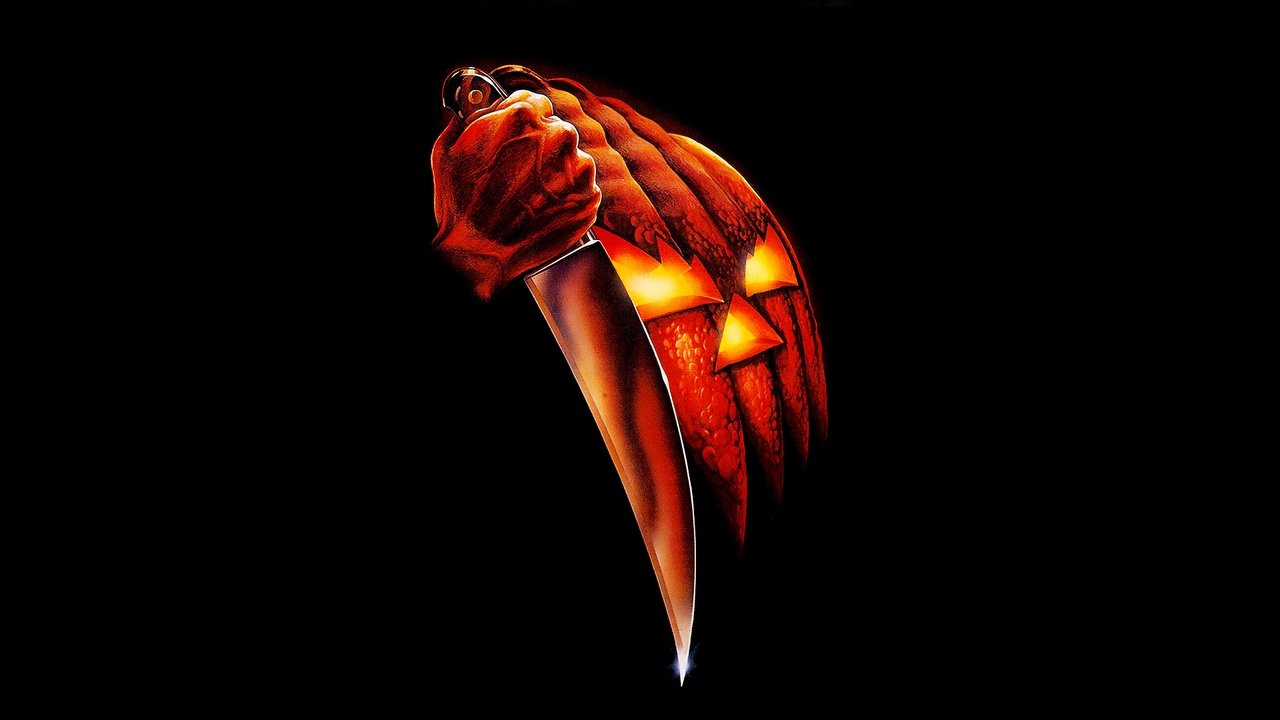
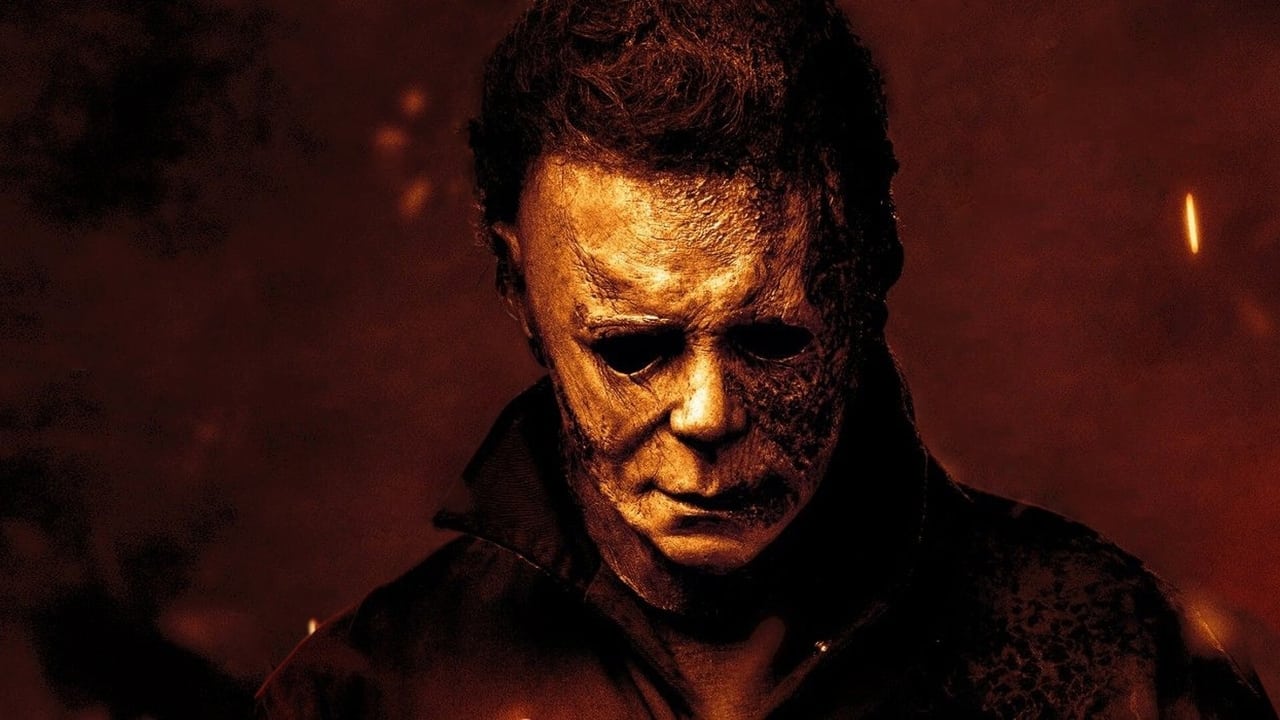
Halloween Kills wasted the goodwill of a successful reboot
The 2018 Halloween was smart about one thing: it stripped away decades of contradictory mythology and let Jamie Lee Curtis carry the film on pure performance. No convoluted backstory. No cult. Just Laurie Strode, trauma, and Michael Myers as an unstoppable presence. It grossed $255 million worldwide against a $10 million budget—a genuine cultural moment for a horror reboot.
Halloween Kills (2021) arrived two years later and made the exact wrong creative choice. David Gordon Green, returning as director, decided the franchise needed more mythology. Flashbacks to the 1978 original. An expanded backstory about the town's history with Michael. A larger ensemble cast.
Here's the thing about Michael Myers that the film forgot: he works because he has no mythology. No explanation. No motivation beyond the fact of his existence. The moment you start justifying why he kills, you're already losing him. He becomes a monster with a reason instead of an inexplicable force of nature.
The film's Rotten Tomatoes critic score sits at 40%—a sharp drop from the 2018 film's reception. What's striking is that Halloween Ends (2022) underperformed relative to Kills, which underperformed relative to the original reboot. The 2018 film opened to $76.2 million domestic; Kills managed $49.4 million; Ends dropped further to $40.1 million, per Box Office Mojo. Each cynical installment eroded the goodwill the previous film built. The franchise didn't die because audiences stopped loving Michael Myers. It stalled because the sequels kept borrowing against trust without depositing anything back.
Amazon Prime Video in the US; Netflix in some regions (check Movie OTT for your location). Runtime: 105 minutes. Skip it and watch the 2018 film instead, which actually understood what makes this character work.
A Nightmare on Elm Street 5 turned the killer into a joke
Robert Englund's Freddy Krueger worked in the original A Nightmare on Elm Street (1984) because he was genuinely horrifying—a burned, disfigured killer who hunted teenagers in their dreams. He had a reason to be angry. He had pain.
By A Nightmare on Elm Street 5: The Dream Child (1989), Freddy had become a comedian. Stephen Hopkins' direction leans into dark humor, one-liners, and increasingly absurd dream sequences. Englund plays him like a nightmarish stand-up act. The shift wasn't gradual across five films—it's a jarring tonal whiplash within a single entry.
The problem isn't that horror comedies can't work. It's that you can't shift tones this drastically without acknowledging it. The film treats Freddy's jokes like they're still scary, which means audiences can't laugh at them and can't be afraid of him. They just sit there, confused about what they're supposed to feel.
This one's harder to track down—Paramount and New Line titles shift between platforms regularly. Check Movie OTT for current availability. Runtime: 89 minutes. The first three Nightmare films form a complete arc. Stop there. This is optional viewing only.
The structural problem these films share (and what it reveals)
All five of these films share something beyond bad writing or studio interference. They're tonal disasters. Directors who either didn't understand the source material or actively disliked what made it work.
Boorman didn't want to make an Exorcist sequel. He wanted to make an adventure film with demonic possession as window dressing. Jeunet didn't want to make Alien. He wanted to make a visually weird movie that happened to have a xenomorph. Green didn't want to make Halloween. He wanted to expand a mythology that worked only because it was minimal.
The pattern is consistent: hire a director, let them reimagine the franchise according to their own sensibility, hope the audience doesn't notice that you've replaced the core DNA with something else entirely. Most coverage of failed legacy sequels blames studio interference or bad scripts. I think that framing lets the real culprit off the hook: these projects fail at the hiring stage, the moment a studio picks a filmmaker whose instincts run counter to the franchise's reason for existing.
What actually happens is audiences spend the runtime aware that something's wrong. They can't articulate it immediately, but they feel it. This isn't what they came for. This isn't what worked before.
What to watch instead, and where the franchises are headed
If you're interested in legacy sequels done right, Alien: Romulus (2024) is the template. Fede Álvarez came in understanding that the Alien franchise requires dread and spatial claustrophobia. He brought that. The film works because it serves the franchise instead of trying to reinvent it.
The Halloween franchise is currently dormant. No new installment has been officially announced as of mid-2026. A clean break from the Green trilogy's mythology would be the smart move—and honestly, probably the only move that saves the IP long-term.
Friday the 13th remains trapped in IP dispute limbo. Ongoing legal complications between Paramount and the rights holders continue to block any forward movement.
For upcoming legacy sequels, Scream 7 is in production, and new Predator and Terminator projects are in development. Whether those land as bold reinventions or insulting cash grabs depends entirely on whether studios hire filmmakers with something to say or filmmakers willing to replicate what audiences have already seen and accepted.
For current streaming locations across the US, UK, India, and Spain for all five films mentioned here, Movie OTT's where-to-watch tracker updates in real time.