The 9-1-1 Episode That Rewired Network TV's Disaster Formula
Eight years ago, a 43-minute earthquake brought network television's disaster procedural into the modern era. Season 2, Episode 2 of 9-1-1 — titled "7.1" — aired on ABC on September 24, 2018, and it's the episode that still defines how the show works today.
If you're streaming 9-1-1 right now on Hulu or Disney+ and wondering why the show handles citywide chaos with such confidence, this is the answer. The entire disaster-procedural template you're watching was essentially built here. Ryan Murphy, Brad Falchuk, and Tim Minear didn't invent the multi-episode crisis format, but they proved on broadcast television that you could sustain it without cutting away, without manufactured character drama, and without pretending the external world wasn't dramatic enough on its own.
What Actually Happened in "7.1"
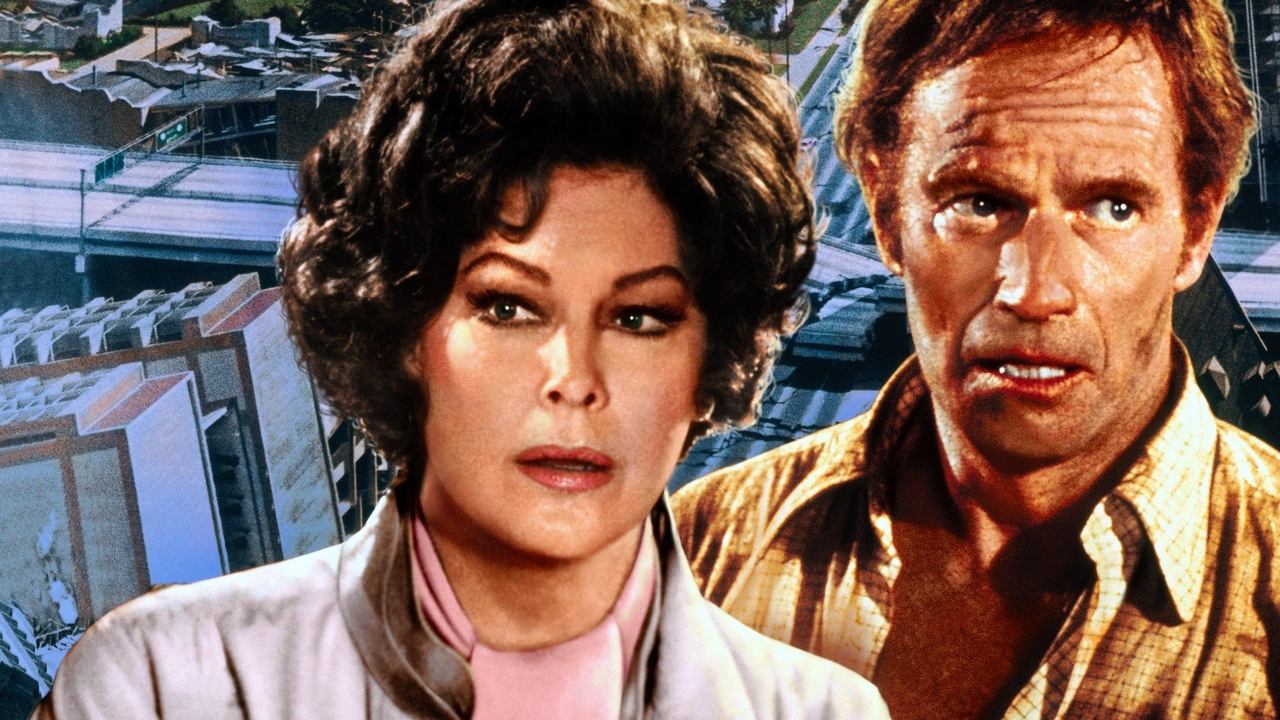
A 7.1-magnitude earthquake hits Los Angeles. For 43 minutes, the show doesn't look away.
The LAFD crew — led by Bobby Nash (Peter Krause) and Athena Grant (Angela Bassett) — hits the streets. Hen Wilson (Aisha Hinds) and Buck (Oliver Stark) respond to calls that keep getting worse. And Jennifer Love Hewitt's Maddie Buckley, introduced in this same episode as a new 911 dispatcher, experiences her first shift during a citywide infrastructure collapse. It's a character origin story compressed into a single hour, and Hewitt's performance remains one of the most underrated single-episode turns in network TV from that era.
Here's the crucial thing: this wasn't a two-part event that dragged out the emotional beats. One tight, contained crisis that reset the show's entire DNA.
Where to watch it:
- US: Hulu, Disney+ (with ads or ad-free, depending on subscription)
- India: Disney+ Hotstar (check Movie OTT's streaming tracker for current season availability — Indian licensing can shift)
- Runtime: ~43 minutes
- Season: Season 2, Episode 2
Why This Episode Changed Everything
Before "7.1," 9-1-1 was a competent procedural with strong casting and slick production values. Good network television, nothing more. The earthquake episode proved the show could do something different: it could treat the city itself as a character, compress an entire narrative arc into a single external event, and give every member of the ensemble a genuinely high-stakes moment simultaneously.
What's striking is how deliberately the showrunners avoided the procedural trap of manufacturing interpersonal drama to fill screen time. There's no manufactured love triangle subplot. No pointless argument between colleagues. The pressure comes from outside — from collapsing buildings, from overwhelmed 911 lines, from impossible choices about who gets help first.
Most coverage of "7.1" frames it as the episode where 9-1-1 found its voice, but that's only half the story. The real shift is structural: this is the episode that proved broadcast network dramas could hold a single disaster across multiple episodes and not lose the audience, something that until 2018 was considered a cable or streaming play. Every network disaster arc since (and there have been plenty) owes a debt to this specific proof of concept.
Ryan Murphy has said in interviews that the goal was "to put these characters under maximum pressure," and an earthquake felt like the most honest version of that for Los Angeles — it's not a hypothetical threat, it's something the city actually lives with. Tim Minear, who serves as day-to-day showrunner, described the multi-episode disaster format as "a pressure cooker we can return to." That's exactly what the show has done across eight seasons: tsunamis, wildfires, blackouts, building collapses — all following the template "7.1" established.
The Cast That Made It Stick
This is important context. ABC didn't greenlight a disaster procedural with unknown actors. They hired:
- Angela Bassett — two-time Golden Globe winner, Oscar nominee. Her presence gave the show instant credibility with audiences over 45.
- Peter Krause — spent five seasons on Six Feet Under, then Parenthood. He knows how to carry the weight of a show.
- Aisha Hinds — probably the ensemble's most consistently praised performer. Her character Hen Wilson has evolved more than any other firefighter on the crew.
- Oliver Stark — Buck started as stock "young firefighter" but became the show's most dramatically transformed character by Season 3.
- Jennifer Love Hewitt — cast specifically for Season 2 to anchor the dispatcher storyline that "7.1" kicked off.
The casting wasn't accidental. It was network television playing for keeps, and it worked. Season 2 pulled 8.7 million viewers in its premiere week — massive for broadcast in 2018.
Why the Format Worked Then (and Still Works Now)
Here's the thing nobody mentions about disaster-procedural formats: they're exceptionally sticky on streaming platforms. A multi-episode arc gives new viewers a natural entry point and a satisfying exit. You can watch four episodes around the earthquake and feel like you've completed a full narrative. That's not accident. That's structural thinking designed to make catalogue shows binge-able.
The show moved from ABC to Fox after Season 6, according to Deadline's coverage of the deal — a network transition driven by Fox's desire for a reliable procedural anchor. The move didn't hurt. Season 8 is pulling live-plus-same-day ratings that most broadcast dramas can't touch in 2026.
For Indian audiences specifically, 9-1-1 occupies an interesting niche on Disney+ Hotstar. It's not prestige television that requires heavy marketing. It's not throwaway content either. It sits in the same slot that Grey's Anatomy and Criminal Minds have historically held — reliable, binge-able, emotionally engaging without demanding excessive cultural context. And the earthquake premise? It carries particular weight in seismically active regions where the show's depiction of infrastructure failure and overwhelmed emergency services isn't purely American in its emotional logic.
Movie OTT's platform tracker is worth bookmarking if you're in India — American catalogue titles shift between platforms more frequently than most subscribers realize, and 9-1-1's season-by-season licensing isn't identical across regions.
How Other Shows Tried the Same Trick
Once 9-1-1 proved the format worked, other networks took notice.
Grey's Anatomy did a two-part active-shooter episode in 2010 (Season 6 finale) — solid execution, became one of the show's most-watched events. Station 19 launched a wildfire arc in 2019 (Season 2) that was competent but leaned heavily on the crossover traffic from Grey's, not from 9-1-1. The Rookie did a direct earthquake episode in 2021 that almost plays as a tribute act. Chicago Fire attempted a multi-episode collapse arc in 2022 (Season 10) — technically well-done, lower emotional stakes.
The difference: 9-1-1 did it first at network scale with a budget that actually showed citywide infrastructure damage instead of cutting around it. You see the freeway collapse. You see the buildings fail. You don't watch characters talking about disaster in a hospital hallway while the actual crisis happens offscreen. From what I gather, the VFX budget for "7.1" alone ran north of $3 million per episode, roughly triple what a standard broadcast procedural hour cost at the time (though that part is still rumour). What isn't rumour is the result on screen: the 405 freeway splitting open, a high-rise hotel pancaking floor by floor, water mains erupting across intersections. That level of visible destruction on a network show was genuinely unprecedented.
Where the Show Stands in 2026
Season 8 is currently airing on Fox in the US, with Hulu episodes landing a day or two after broadcast. The show hasn't been renewed for Season 9 yet, but the word on the lot is that Fox views 9-1-1 as one of its most stable drama properties — genuine surprise if they cancel it.
There's also a spin-off: 9-1-1: Lone Star, set in Austin, now in its fifth season. Whether a third spin-off gets greenlit depends on Season 8's final numbers. I hear industry conversations are happening, but nothing's confirmed.
For streaming availability outside the US, the Disney+ distribution deal keeps things relatively stable — though season delays remain a persistent international issue. Check Movie OTT if you're outside the US or planning to travel; they track when new seasons roll out across different regions and platforms.
Should You Actually Watch It?
Yes. Here's the watch order: start with the Season 2 premiere ("Under Pressure"), then jump directly to "7.1." You'll understand within twenty minutes why this show has run for eight seasons and spawned a spin-off. Even if you've seen it before, the earthquake episode holds up — it's not dated, and it's the key that unlocks how every season of the show that followed it actually works.
If you liked the ensemble procedural format of Grey's Anatomy or Station 19, you'll connect with 9-1-1. If you're interested in how network television formats scale to streaming, this is a case study in how a single episode can redefine an entire show's DNA.
One more thing: don't start with Episode 1 of Season 1 and grind through. That's how people bounce off the show. The first season is fine, but "7.1" is where 9-1-1 becomes essential. Start there, then backfill if you want context.