A Man of His Time: The Cannes Film That Makes Fascism Look Like a Bad Office Job
TL;DR: Emmanuel Marre's 155-minute docudrama about a Vichy collaborator premiered in competition at Cannes 2026, starring Swann Arlaud as a failed careerist who drifts into administrative genocide. Shot like party photography from the 1940s — handheld, flash-blown, disorienting. No confirmed Indian streaming home yet, but MUBI or Netflix India are the likely destinations. Worth tracking.
The Opening: A Broke Bureaucrat Walks Into Vichy, September 1940
On May 20, 2026, Emmanuel Marre screened A Man of His Time in competition at Cannes, and something strange happened. Critics didn't quite know what they'd watched — but they couldn't stop talking about it.
Here's the setup: Swann Arlaud plays Henri Marre, Marre's actual great-grandfather, arriving in the spa town of Vichy in September 1940 with exactly three things: a failed business, estrangement from his family, and multiple copies of a self-published manifesto called Notre Salut ("Our Salvation"). He's 49, broke, and convinced the new authoritarian regime needs him. It doesn't. But it'll use him anyway.
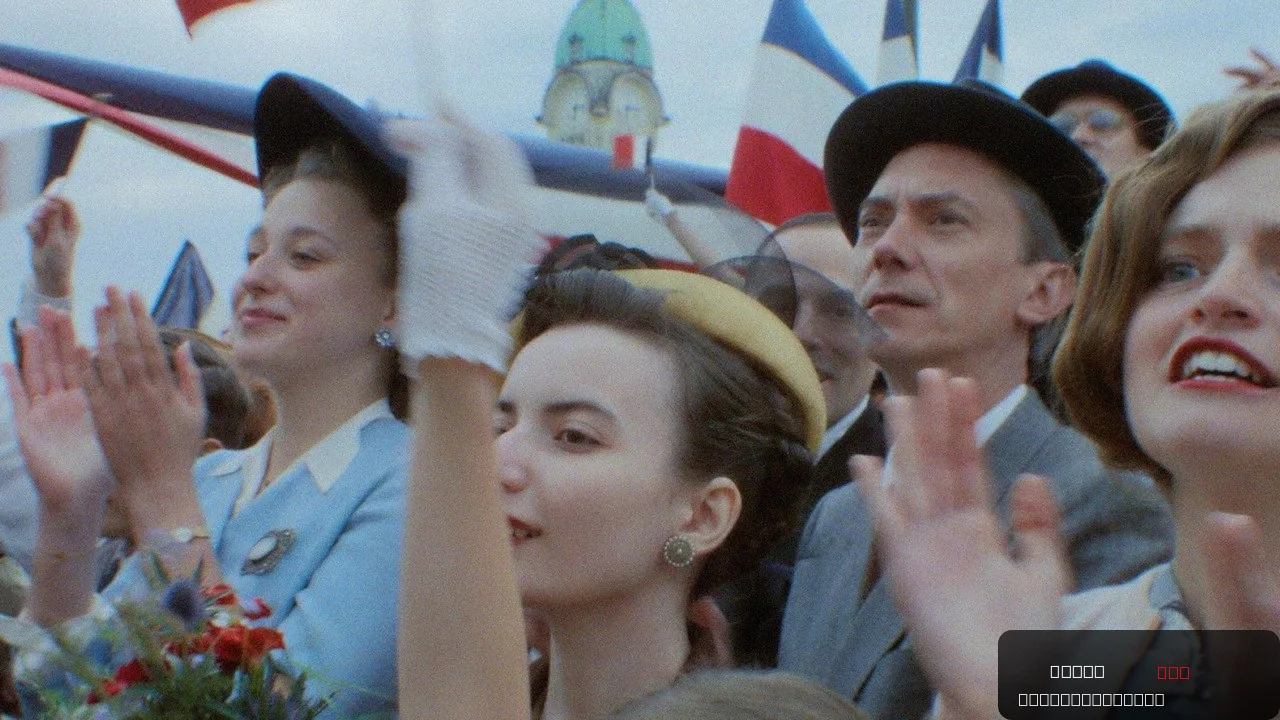
The film runs 155 minutes. It doesn't feel like a period drama — it feels like someone snuck a contemporary party photographer into a 1940s government office and told them to shoot everything. Handheld. Harsh flash. The visual grammar belongs to nightclub tabloid photography, not historical reconstruction. Disorienting on purpose.
What's striking is how ordinary the machinery looks. Henri sits behind his desk, takes calls, issues orders, administers — and the film gradually reveals what he's actually administering. The Wrap's Ben Croll called it "The Office: Genocide." That's not a glib comparison. That's the whole argument.
Why This Isn't Like Other WWII Films — The Aesthetic Gamble
Most Cannes competition entries signal their ambition through visual grandeur or technical virtuosity. Marre does the opposite. He strips away the visual language of "prestige" cinema and replaces it with something that looks cheaply captured, almost surveillance-like. The closest comparison is Jonathan Glazer's The Zone of Interest (2023 Palme d'Or winner), which also used radical aesthetic distance to reframe Holocaust-era atrocity. But where Glazer pushed viewers away through eerie detachment, Marre pulls you closer through ugly familiarity. The difference matters more than the similarity: Glazer's film was a formal exercise in withholding, a locked-off camera that refused to enter the camp, while Marre's handheld flash photography practically shoves you into Henri's sweaty, overcrowded office and dares you to look away from the paperwork.
Much of the dialogue was improvised. Marre wrote a script, then apparently told his cast not to memorize it. The result feels caught-on-the-fly — the mundane sounds genuinely mundane rather than performed. It's a weird choice for a historical drama. It works.
Swann Arlaud carries the film. He won a César (French Oscar) for Best Supporting Actor in François Ozon's By the Grace of God (2018), and he's built a reputation for playing men under pressure without ever tipping into melodrama. Henri Marre — neither monster nor martyr, just a weak person making convenient choices — is exactly the role Arlaud was made for. He plays drunk, desperate, and self-deluded with genuine pathos. You don't like him. You understand him. There's a difference, and it matters.
Sandrine Blancke plays his wife, and here's where the film gets genuinely affecting: her character exists almost entirely through letters. Real letters from the family archive, read in voiceover. It's a structural risk — you're hearing someone else's words about a woman on screen — but it works. Her interior life haunts the film.
What Emmanuel Marre Has Done Before (And Why It Matters for This One)
Marre's previous feature was Zero Fucks Given (2021), which premiered at Locarno and earned strong reviews for its refusal to explain its protagonist — a flight attendant drifting through emotional numbness. It had a cool detachment; A Man of His Time is rawer, partly because Marre is literally looking at his own family history. That's not a small thing.
The decision to base this film on his great-grandfather's collaboration is the kind of thing most filmmakers avoid. The easy move is hagiography or clean condemnation. Marre does neither. In remarks around the Cannes premiere, he said: "There is something I cannot escape. He is part of me, whether I want that or not. The film was a way to look at that without flinching, and without forgiving."
Most coverage frames this as a personal reckoning, a filmmaker confronting his bloodline. The more interesting question is whether the docudrama hybrid — improvised dialogue over archival scaffolding, mockumentary grammar applied to real family documents — represents a genuinely new formal category, or just a clever disguise for conventional biography. I'd argue it's the former, and that distinction is what separates this from the dozen other Vichy-era films that have screened at Cannes over the past two decades.
That's harder than it sounds. The film resists any reading that lets Henri — or the audience — off the hook.
The Bureaucratic Machinery: How This Film Actually Works as Political Argument
Here's the part I keep coming back to: the film's central argument isn't about evil. It's about machinery.
Henri moves from Vichy to Paris and eventually to Limoges, where he's appointed sub-prefect under a political patron already on his way down. Less a rise-and-fall than a "lurch-and-plant," the structure mirrors the man — stumbling forward with misplaced confidence, landing somewhere worse than expected. In the middle section, he sits behind his desk, places calls, issues orders. The handheld camera zooms rapidly. The visual language belongs to mockumentary. Ordinary. Banal. That's the film's genuinely unsettling claim: the gears of fascism were turned by unexceptional people just trying to keep their jobs.
It's the anti-Inglourious Basterds approach — no catharsis, no revenge fantasy, no moral reckoning that lets you leave feeling righteous. Just the texture of complicity, day after day.
One critic noted a line in the English subtitles about "making France great again" that doesn't quite match the French dialogue spoken on screen. A deliberate wink to international audiences, apparently. The film knows what it's doing with contemporary politics. It's not subtle about it.
Where and When You Can Actually Watch This in India (Right Now)
Here's the practical bit: A Man of His Time doesn't have a confirmed streaming home for Indian audiences yet. It's fresh out of Cannes competition, and distribution typically takes several months to finalize after a major festival premiere.
The realistic picture for Indian viewers:
- MUBI India is the strongest candidate. They've aggressively licensed French-language arthouse cinema and have a dedicated subscriber base for exactly this kind of film. They picked up The Zone of Interest roughly four months after its Cannes win.
- Netflix India has been consistent with Cannes competition titles — Anatomy of a Fall, The Zone of Interest, others.
- Amazon Prime Video India is possible but less likely. Their preference skews commercial.
- Theatrical release in India is narrow but real — likely limited to PVR Cinemas' director's cut screens in Mumbai, Delhi, Bengaluru if a distributor picks it up.
No Hindi, Tamil, or Telugu dub is expected. English subtitles are confirmed (the film already circulates with English subs at Cannes). Movie OTT's where-to-watch tracker will update availability as distribution deals land — worth bookmarking if you're tracking this title.
The Jury Question: What Happens Next at Cannes
The Cannes 2026 jury will announce its winners at the closing ceremony later this month. A Man of His Time is the kind of film that tends to divide juries — formally adventurous, politically pointed, uncomfortable at 155 minutes. Some will find it brilliant. Others exhausting.
The part I'm most curious about is whether the jury reads the improvised performances as liberation or sloppiness (because at 155 minutes, a few of those unscripted exchanges do wander). Watch for: a potential Jury Prize or Best Director nod. A Palme d'Or would surprise most observers, but it's not impossible given the film's ambition and the jury's stated interest in formal risk-taking.
Theatrical distribution in France is expected to be confirmed within weeks of the festival closing. A24, MUBI Films, and Neon are the names to track for English-language market rights. The film's English subtitle strategy and its pointed contemporary political references suggest Marre's producers are actively courting international audiences — which means distribution moves should come faster than usual for a French arthouse title.
If You Liked The Zone of Interest or By the Grace of God, Here's Your Next Film
The comparison people make immediately is The Zone of Interest. Both films use radical aesthetic distancing to reframe atrocity. Both refuse to let viewers sit comfortably. If that film's approach to Holocaust-era complicity stayed with you, this one will too — though Marre's method is different. Glazer's film was eerie and detached. This one is ugly and intimate.
If you appreciated François Ozon's By the Grace of God — which Arlaud starred in — you'll recognize something of that film's willingness to sit with institutional failure without offering easy answers. Ozon's film was about the Church's machinery of silence. This one is about government's machinery of compliance. Same architecture, different building.
The honest watch recommendation: go in knowing it's 155 minutes of handheld-camera discomfort in a room full of gray men making grey decisions. If that sounds like something you need to see, it probably is. If it sounds like a slog, it might be.
What to Know Before You Watch (Spoiler-Free)
Runtime: 155 minutes. Director: Emmanuel Marre. Lead: Swann Arlaud. Supporting: Sandrine Blancke. Festival premiere: Cannes 2026, In Competition (May 20).
Language: French. Subtitles: English confirmed. Not family-friendly — there's drinking, infidelity, administrative cruelty, and the slow-burn horror of a man making peace with atrocity.
No gore. No violence in the traditional sense. The violence is bureaucratic and psychological. That's somehow worse.
The film doesn't explain its protagonist. It doesn't redeem him. It doesn't condemn him in ways that let you feel morally superior. It just watches him, over and over, making the choice that keeps him employed. Watch it if you can sit with ambiguity. Movie OTT will have full streaming details as distribution deals finalize across regions.
The Closing Detail That Matters
What's staying with critics isn't just the film's politics or its aesthetic gamble. It's the specificity of the family archive — those real letters, Marre's own great-grandfather's actual words, the documented complicity. This isn't a thought experiment about how ordinary people enable fascism. This is one filmmaker looking directly at the proof that his own bloodline did.
That's not comfortable to make. It's not comfortable to watch. Marre knows that. The film demands it anyway.