Absolute Green Arrow #1 Is DC's Most Violent New Debut — and the Weapons Are Why It Works
TL;DR: DC's Absolute Green Arrow #1 (May 20, 2026) strips the character of his campy trick arrows and replaces them with genuinely lethal gear — poison arrows, grenade-tipped shafts, sword-on-string systems. It's the Absolute Universe's strongest debut. No prior Green Arrow knowledge required.
Oliver Queen is dead. That detail matters more than the skull mask.
The new Green Arrow — whoever's wearing it — launched into DC Comics on May 20, 2026, as part of the publisher's Absolute Universe line, and the character's first kill happens on page three. No hesitation. No redemptive arc setup. Just a confirmed body count and a strategic pivot toward something darker than anything the original emerald archer ever attempted.
Screen Rant's review called this "the Absolute Universe's next best hero." After reading issue #1, that undersells it.
The Weaponry Is the Entire Point
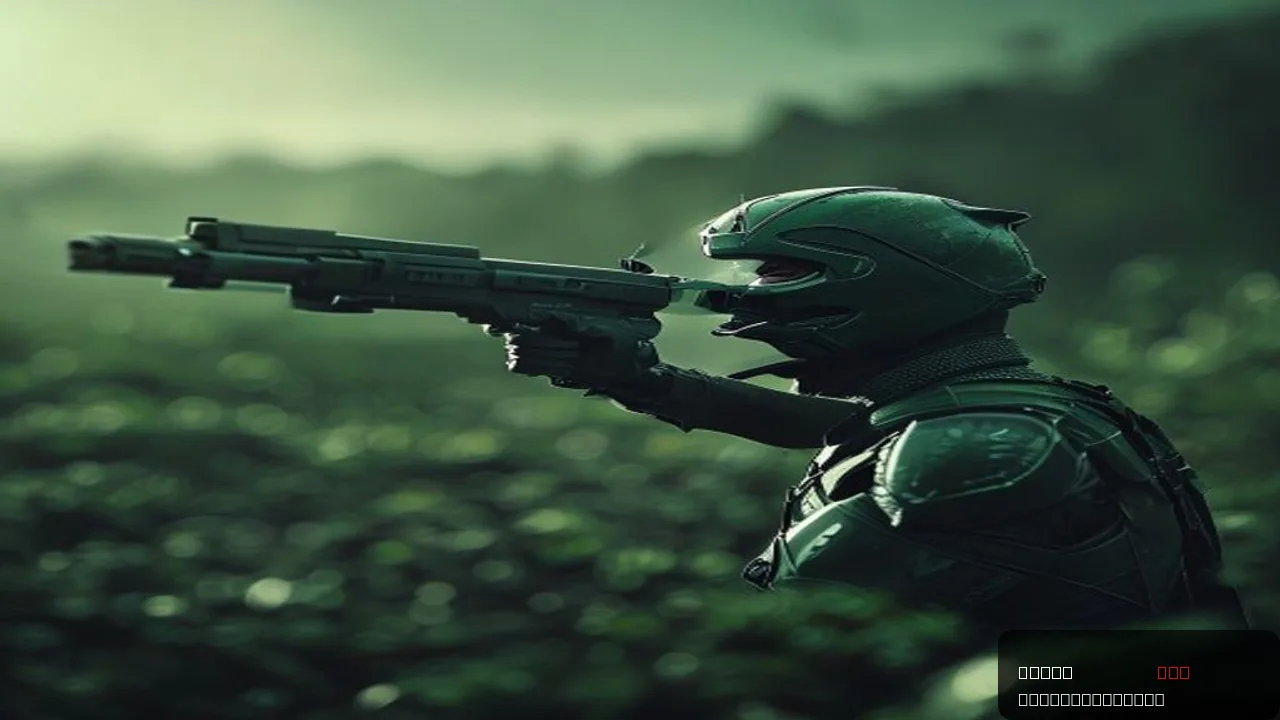
Here's what strikes me: DC could have coasted on visuals alone. The skull mask design is immediately iconic. The Michael Myers comparison sells itself. But the creative team didn't settle for that.
The trick arrows. That's where the story actually lives.
Oliver Queen's trick arrows were campy by design. Boxing glove arrows. Net arrows. Grappling hooks. The Arrow TV series (eight seasons on The CW, ending in 2020) tried to sand down some of that campiness — Stephen Amell's Oliver killed a man with an arrow in the pilot's cold open, which felt transgressive at the time but still operated within a "hero learns restraint" framework. The Absolute version keeps the idea of trick arrows and burns away every trace of whimsy.
What replaces it:
- Poison arrows that cause targets to hemorrhage from the eyes
- Grenade-tipped shafts attached directly to the bow string
- Swords deployable on strings — usable at close range or distance
The grenade arrows specifically. I keep coming back to them. It's such an ugly, blunt concept — no elegance, just consequence. A hunter giving himself options for how a target dies. That transformation from crowd-pleasing gimmick to lethal Swiss Army knife is honestly one of DC's smarter character moves in years.
The kills in issue #1 — Jubal Slade (confirmed dead), Hector Hammond (maimed) — aren't accidents or near-misses. They're the point.
Why This Matters: Scott Snyder Set the Template
The Absolute Universe has a house style now, established by Scott Snyder's Absolute Batman. Snyder's Bruce Wayne lacks the Wayne fortune entirely — he's a working-class engineer building his own gear by hand. The series proved that stripping heroes of their legacy advantages doesn't just create cosmetic variants. It produces genuinely different stories.
Absolute Green Arrow is following that same structural logic. The character keeps Green Arrow's ideological core — a class-warfare vigilante targeting the corrupt — but changes the method entirely. The original embarrassed the powerful. This version eliminates them.
Most coverage is treating this as another successful Absolute launch. The more interesting read: this is the first Absolute title where the protagonist's identity is genuinely unknown at debut. Batman and Superman kept their core civilians. Green Arrow didn't. That's not a gimmick; it's DC testing whether the ideology can carry a book without the legacy name behind the mask.
That class-consciousness angle traces back to Dennis O'Neil and Neal Adams's Green Arrow run in the early 1970s, and it survives the dark reimagining intact. What's new is the lethality.
For context: DC positioned the Absolute line broadly as heroes stripped of privilege, forced to become something harder. The Green Arrow iteration fits that framework perfectly — but the execution in issue #1 is more specific. A skull mask. Confirmed kills in the debut issue. These aren't warm-up choices. The creative team is signaling this is a long-running anchor title, not a limited experiment.
What You Actually Need to Know Before Reading
Absolute Green Arrow #1 launched May 20, 2026, from DC Comics' Absolute imprint — the same line producing Absolute Batman (Scott Snyder), Absolute Superman (Jason Aaron), Absolute Wonder Woman (Kelly Thompson), and Absolute Flash (Jeff Lemire). The Absolute Universe itself is DC's highest-profile publishing experiment in years. It's a parallel universe where Darkseid rewrote continuity, leaving heroes without traditional advantages or support systems.
Oliver Queen's death in Absolute Evil is confirmed canon before this series begins. That's important because it means whoever's behind the mask adopted the identity, the bow, and the ideology — but not the history. Clean entry point. No backstory required.
Key facts for tracking this title:
- Release date: May 20, 2026
- Publisher: DC Comics (Absolute Universe imprint)
- Oliver Queen status: Deceased (killed in Absolute Evil)
- First issue kills: Jubal Slade (confirmed), Hector Hammond (maimed)
- Tone: Horror-inflected. Slasher-adjacent in places.
The creative team hasn't given formal press interviews yet — DC's been notably quiet about who's actually writing and drawing this, possibly by design given the mystery around the character's identity. But Joshua Fox at Screen Rant nailed the core idea: this Green Arrow takes the trick-arrow tradition "to its logical extreme by turning it into a means of allowing him to kill people any way he wants."
That's the thesis. Issue #1 executes it cleanly.
Where to Read This (and What Comes Next)
DC's Absolute line is available digitally through DC Universe Infinite (approximately ₹499/month in India as of 2026), or issue-by-issue through ComiXology via Amazon.in. Individual issues run standard comic pricing.
For readers tracking the Absolute Universe as it expands through 2026 — and whether these titles get adapted to film or animation — Movie OTT's comics coverage maintains a running tracker of which DC releases are currently streaming and where. (No animated Absolute Universe adaptation has been announced yet, but the visual language is unusually film-ready, so don't be shocked if that changes.)
Watch for: whether the mystery of who's behind the mask gets resolved in the first arc or stretched across multiple story cycles. DC has financial incentive to keep that question open — the character's already merchandise-ready, which signals the publisher is treating this as long-term rather than a five-issue experiment.
A collected trade paperback of the opening arc would be the natural next commercial milestone, arriving six to eight months after the final issue drops. That's the moment to grab this if you're waiting for the full story collected, rather than chasing singles.
The Absolute Universe Is Where DC's Next Adaptation Wave Comes From
The Absolute line is DC's primary publishing priority through at least 2026. Absolute Green Arrow launching to positive early reception puts pressure on DC to sustain momentum — the line has been strongest when individual titles maintain distinct tonal identity rather than folding into crossover events.
Marvel's Ultimate Universe, first launched in 2000 with Ultimate Spider-Man #1 (which moved 120,000 copies in its debut month, a massive number for a non-event title at the time), did something similar: reimagined iconic characters in a darker, grounded register. That line produced some of Marvel's most celebrated comics before losing its footing when it started chasing crossovers in the 2010s. DC's watching whether it can avoid that same trajectory.
For Movie OTT readers who follow DC adaptations and want to understand what source material might be heading toward screens in the next few years, this is the title to track. The Absolute line is where DC's next wave of films and shows is likely to originate.
Should You Read It?
Yes. If you have any tolerance for dark superhero comics, pick up issue #1. No prior Green Arrow knowledge required — the book works as a clean introduction precisely because Oliver Queen is gone. The weaponry is genuinely inventive. The kills land. The skull mask design is immediately iconic.
Start here. Then track issue #2 when it drops. This is the kind of debut that justifies a title's existence in the first act.