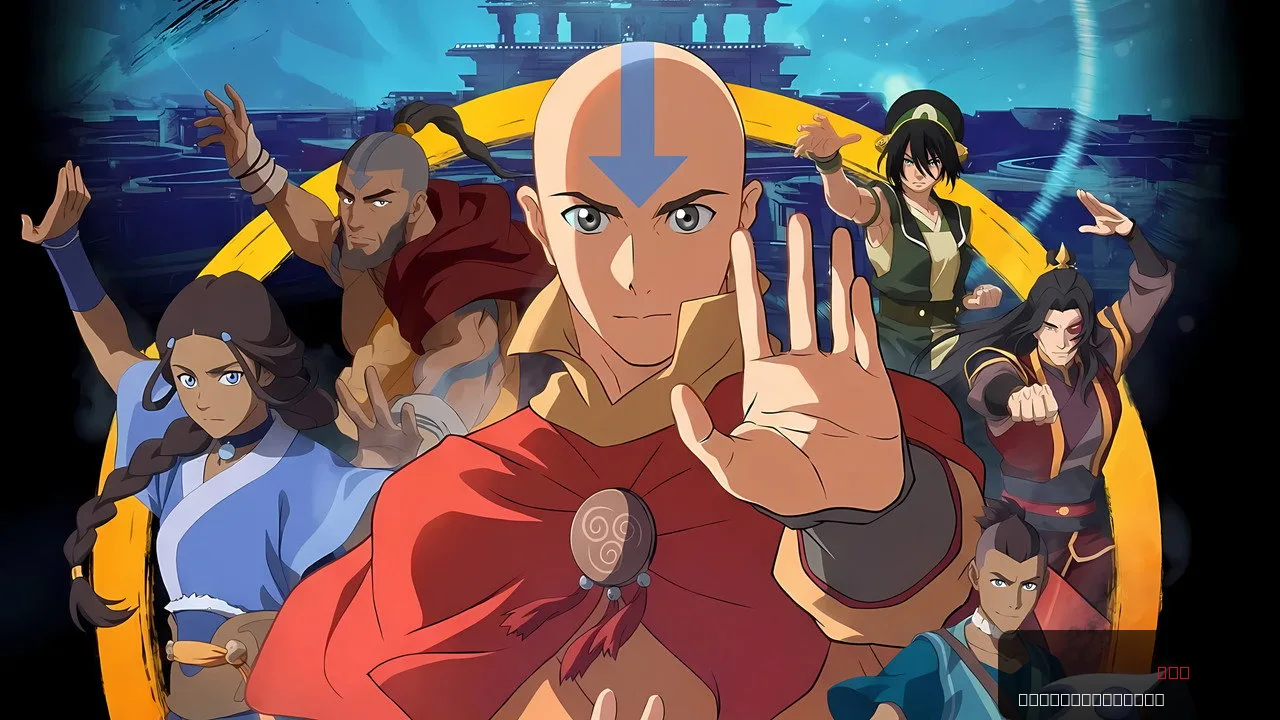
Avatar: The Last Airbender Season 2 Arrives With Scale and Toph — But Still No Release Date
Netflix just dropped a new trailer for Season 2 of Avatar: The Last Airbender, and it signals something the first season struggled to find: confidence. An army of Fire Nation forces dominates the footage, Toph Beifong finally enters as the earthbender Aang desperately needs, and the whole thing looks less like a show apologizing for not being the 2005 animated series and more like a production that's found its own language. Whether that pays off depends entirely on when Netflix actually lets us watch it.
The key detail nobody's publishing yet: there's still no confirmed premiere date. That's the information viewers actually want, and it's the one thing the trailer doesn't deliver.
What Netflix's Trailer Actually Shows (and Why the Fire Nation Threat Matters)
The footage is lean on plot but heavy on tone. Aang's quest to find an ancient power that could save airbender culture from extinction isn't new — that's the Season 2 premise Netflix confirmed in the verified plot details. What's new is how the show's treating the antagonist.
Fire Nation forces aren't background dressing anymore. They're a coordinated military threat. The cinematography has shifted too: harder edges, bigger scale, less of the episodic adventure-of-the-week pacing that made Season 1 feel scattered. I kept thinking about how Season 1 never quite figured out whether it was a kids' show or prestige drama. This trailer suggests Season 2 knows exactly what it is.
Toph Beifong's introduction is the other heavy lift here. In the original 2005 animated series, Toph's reveal in "The Blind Bandit" (Book Two, Episode 6) — this blind girl who turns out to be the world's greatest earthbender — is a masterclass in character timing. Netflix's live-action version gets that moment on screen, and the trailer lets it breathe instead of rushing past it. That's a creative choice that matters.
The Actual Production Details You Need
Season 1 dropped February 22, 2024 on Netflix globally. Individual episodes run 50–60 minutes each, closer to prestige drama than the animated original's 23-minute format. The show's already been renewed, which happened fast enough to suggest Netflix's internal metrics looked good (the company reported over 30 million views in the first month, though it doesn't release traditional ratings anymore).
Here's what's confirmed:
- Platform: Netflix (worldwide)
- Season 1 premiere: February 22, 2024
- Season 2 release: Not yet announced (marketing activity suggests late 2025 or early 2026, but that's reading tea leaves)
- Cast: Gordon Cormier as Aang, Kiawentiio as Katara, Ian Ousley as Sokka, Dallas Liu as Zuko, Paul Sun-Hyung Lee as Uncle Iroh
- Showrunner: Albert Kim (Michael DiMartino and Bryan Konietzko, the original creators, departed in 2020)
The cast is young — Cormier was 12 when cast — but Paul Sun-Hyung Lee has been the consistent standout across reviews. He brings Iroh's warmth without leaning on nostalgia, which is harder than it sounds.
For regional availability and where Season 2 lands across platforms once the premiere date drops, Movie OTT's where-to-watch tracker stays updated across Netflix, Prime Video, and regional services.
Why the Animated Series Casts Such a Long Shadow
Here's the problem Netflix inherited: Avatar: The Last Airbender is one of the most critically respected animated series in American television history. Three seasons, 61 episodes, Nickelodeon 2005–2008. The show won a Primetime Emmy, a Peabody, and an Annie Award, and it earned that praise not just for storytelling but for how it handled Asian and Indigenous cultural sources with actual care, something Western animation almost never pulled off at that scale.
Season 2 of the animated series, "Book Two: Earth," is widely considered the peak of the entire run. That's the exact source material the live-action production is adapting right now. The pressure is real.
Albert Kim, the showrunner, told Variety in 2023 that his approach was treating the live-action version as "a reimagining rather than a shot-for-shot remake." That framing is the only defensible position. You can't beat the animated version on its own terms. You have to find different terms.
Season 1 landed at 67% on Rotten Tomatoes (critic consensus) with audiences scoring it higher at 79%. That gap between critics and longtime fans is telling. The people who grew up with the show came to it with affection and left somewhere between relieved and disappointed. The critics, less invested, saw competent genre television. What most coverage misses: Netflix is adapting the strongest section of the source material with a production team that only managed a middling score on the weakest section. That's not a comeback setup. That's a higher bar with the same tools. Season 2 is where Netflix either justifies the investment or confirms this was always a brand exercise rather than a genuine creative swing.
The First Season's Reception and What Season 2 Needs to Fix
What's striking is how Season 1 avoided being a disaster but couldn't quite land as a vindication. Technically competent. Casting that worked (mostly). Action sequences that didn't embarrass themselves. But it never found the emotional weight that made the animated series untouchable.
Season 2 needs to move faster — plot-wise — and lean into character development instead of franchise checklist moments. The trailer suggests it might be doing exactly that. Whether it actually does remains to be seen.
For tracking how the show performs across streaming markets once Season 2 launches, Movie OTT aggregates viewership availability and regional release patterns, which matters because Netflix sometimes staggers international rollouts.
How to Watch in India: Languages, Pricing, and Availability
India's a significant market for this show. Netflix India carried Season 1 with Hindi, Tamil, and Telugu dubbed audio tracks, a meaningful expansion beyond English-language viewers. The animated series built a dedicated Indian fanbase over years of Nickelodeon India broadcasts, so the live-action version didn't arrive cold. That's an advantage.
The dubbed tracks for Season 1 were reasonably well-received. Hindi dubbing in particular earned positive feedback in fan communities for not butchering the tone (which is harder than it sounds when you're translating dialogue meant to carry emotional weight across cultural registers and still land the jokes).
Season 2 should follow the same day-and-date release pattern Netflix used for Season 1, meaning Indian subscribers get simultaneous access with US and UK audiences. No separate India premiere date expected. Language track confirmations for Season 2 haven't dropped yet, but Netflix India will almost certainly repeat the Season 1 approach.
Quick breakdown for Indian viewers:
- Where: Netflix India (subscription required)
- Languages confirmed for Season 1: English, Hindi, Tamil, Telugu
- Season 2 dubs: Not yet confirmed; expected to match Season 1 pattern
- Pricing: Netflix India plans start around ₹149/month for mobile-only tier
- Simultaneous release: Expected for Season 2 (no India delay anticipated)
Movie OTT tracks regional language availability for major releases, which is useful when dub confirmations land closer to premiere.
What Comes Next: The Toph Casting Announcement and Release Date Window
Two things to watch for right now.
First: a premiere date. Netflix typically announces dates four to six weeks before release, so the trailer drop suggests one's coming soon. Hard to say if that means late 2025 or early 2026, but the marketing push points toward sooner.
Second: Toph's casting confirmation. The trailer shows the character, but Netflix hasn't officially named the actor yet. That announcement, when it lands, will drive the next news cycle.
There's also broader franchise expansion happening. Netflix's own Avatar Studios (the animation arm, separate from the live-action deal) is developing theatrical features, meaning the IP is expanding across multiple platforms simultaneously. Unusual enough to matter. Most franchises don't get both live-action TV and theatrical animation in parallel development.
Should You Actually Watch This?
If you have Netflix and you have even passing familiarity with the source material, yes. The show isn't trying to be the animated series anymore, and that's probably the right call creatively. Whether it sticks the landing depends on Season 2's execution, but the trailer suggests the production team has stopped hedging.
If you're coming in cold — never watched the original, don't know the characters — Season 2 might actually be a better entry point than Season 1. It's building on established momentum, the cast has more chemistry now, and the show seems to understand what it's doing. Just know upfront that it's a 50+ minute-per-episode commitment, not a quick watch.
For the latest on when Season 2 actually premieres and where to stream it across regions, check Movie OTT's streaming tracker once the release date announcement lands. They update availability across Netflix, Prime Video, and regional platforms as premiere details firm up.