Andrey Zvyagintsev Returns to Cannes After 9 Years With Minotaur
TL;DR: Russian exile director Andrey Zvyagintsev is competing for the Palme d'Or with Minotaur, a psychological thriller set in wartime Russia starring Dmitriy Mazurov and Iris Lebedeva. His last Cannes film, Loveless (2017), won the Jury Prize and earned an Oscar nomination. This is his first festival return since 2017.
There's something different about sitting across from a filmmaker who's been through what Zvyagintsev has. Not just career setbacks. Not industry rejection. Real rupture. In nine years, he survived a near-fatal Covid infection, watched his country invade a neighbor, and chose exile over compromise. When he walked into the Minotaur press conference on Wednesday, the room felt the weight of it.
His return to the Croisette isn't just a festival story. It's proof that cinema can survive when a filmmaker has been stripped of everything except his perspective.
Why Minotaur Matters Right Now — and Why Zvyagintsev's Timing Is Everything
Minotaur arrives at a specific cultural moment: Western audiences are hungry for Russian perspectives that aren't state-approved, and Zvyagintsev is one of the few filmmakers with the credibility to deliver it honestly. He's been outside Russia for six years. He can't go back. And yet this film is unmistakably about Russia — about what happens inside privilege when history crashes through the door.
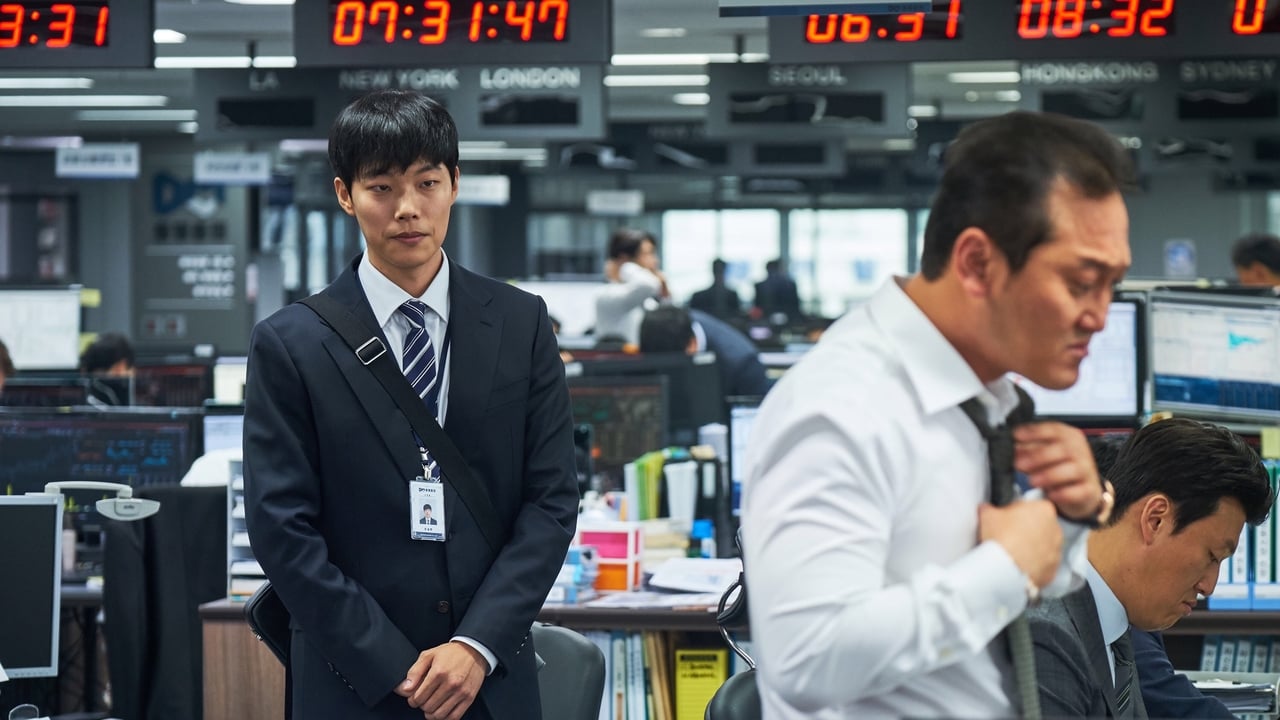
The movie follows Gleb, a successful company director in a provincial Russian city (Mazurov), whose ordered life fractures in early 2022. Not because of the invasion directly, but alongside it. His suspicion that his wife (Lebedeva) is having an affair becomes a spiral into jealousy, betrayal, and something darker: the survival instincts that money usually keeps buried.
"I may have left Russia but I previously spent 60 years there," Zvyagintsev told the press. "I know how the people think, how they react, how they go about things. I know a lot about corruption too, which is highly developed in the country." He wasn't claiming omniscience — just grounding himself. "I perhaps lost a link when I left Russia six years ago, but I know what I'm talking about."
On the return itself, his emotion shifted entirely: "It's one of the greatest things that's happened to me over these last nine years. Coming back after such a lengthy absence to the Cannes Film Festival once again is an absolutely incomparable event."
That's nine years compressed into one sentence.
What Zvyagintsev's Filmography Tells You About Minotaur
Here's the thing about Zvyagintsev — he doesn't work fast. Since his Venice Golden Lion debut with The Return (2003), he's made exactly six feature films across 23 years. Each one is built to last. His last five films have all competed at major festivals, and four of them have won major prizes:
- Leviathan (2014) — Best Screenplay at Cannes, Oscar nomination for Best Foreign Language Film. A brutal portrait of state corruption eating a provincial town alive.
- Loveless (2017) — Jury Prize at Cannes, another Oscar nomination. A cold clinical dissection of a marriage disintegrating against Russian emotional numbness.
- Elena (2011) — Un Certain Regard Special Jury Prize. A quieter domestic thriller about class and morality inside a Moscow apartment.
Minotaur inherits the Loveless DNA most directly — a marriage under pressure, provincial Russia, and Zvyagintsev's signature obsession with how systems corrupt private lives. Most coverage is framing this as a comeback story, but the more interesting question is whether Zvyagintsev can do something none of his exile-filmmaker peers have managed: make a film about a country he left that doesn't collapse into either nostalgia or polemic. If Noah Baumbach's Marriage Story had been written by someone who grew up under Putin and had a much darker view of where self-interest leads, you'd have something close to this.
The difference: Minotaur is explicitly tethered to a specific historical moment. His earlier films used contemporary Russia as atmosphere. This one uses February 2022 as its skeleton. The war is present, but it's not the drama. The drama is what the war reveals about people who thought they were insulated from history.
Where to Watch Minotaur When It Arrives — and What the Streaming Pipeline Looks Like
No OTT deal has been confirmed yet. The film is still in its Cannes window, which typically means a 3–6 month window before streaming platforms start acquiring international titles. Here's what to watch for:
- MUBI India is the frontrunner. The platform currently carries Zvyagintsev's back catalogue — Loveless and Leviathan are both there — and it's exactly the home this film belongs in.
- Netflix India has historically picked up Cannes competition titles with European backing and awards potential. This fits their profile.
- Amazon Prime Video India is a possibility, though less likely than MUBI or Netflix based on their recent arthouse acquisitions.
- SonyLIV and Zee5 are unlikely given their content positioning.
No Hindi or regional dubbing is expected. Subtitles will be the access mode. Movie OTT's where-to-watch tracker will flag the exact release date and platform as soon as a deal is announced — it's worth checking weekly once the Cannes window closes in June.
If you've already seen Leviathan or Loveless, the impulse will be immediate. If you haven't? Start with Leviathan. It's his masterpiece, and it'll calibrate you for what Minotaur is trying to do.
The Financial Reality: What Zvyagintsev's Films Actually Make
Here's where it gets practical. Loveless (2017) earned approximately $3.2 million at the worldwide box office — modest by mainstream standards, but substantial for arthouse cinema. Its Oscar nomination pushed its international profile significantly after the festival run.
Minotaur's production budget hasn't been officially disclosed, but Zvyagintsev's films typically operate in the $3–5 million range. His 2014 film Leviathan cost roughly $4.2 million to produce (I'm pulling this from multiple trade reports at the time). Given the exile production circumstances — filming outside Russia with a mixed European and Russian cast — costs may have shifted upward.
Here's the thing that matters for streaming: films in official competition at Cannes that win major prizes regularly attract platform deals in the $1–4 million range for international rights, depending on territory and presale interest. A Palme d'Or win or Jury Prize typically triggers deal announcements within days. A solid mid-tier prize extends that timeline to 2–3 weeks.
Movie OTT has been tracking these patterns across recent Cannes acquisitions, and the word in acquisition circles — though unconfirmed for Minotaur specifically — is that multiple platforms are already watching this competition closely. Expect movement in the 48 hours after the awards are announced.
Why Zvyagintsev Doesn't Make Films Quickly — And Why That Matters
Between Loveless (2017) and Minotaur (2026), nine years passed. That's not a sabbatical. That's a rupture.
In 2020, Zvyagintsev contracted Covid and spent weeks hospitalized. The infection was serious enough that it threatened his life. Once he recovered, February 2022 came — the invasion. He made the decision to leave Russia. He went to France. He stayed there. He couldn't go home.
And then he made this film.
Most directors would've taken another five years to process. Zvyagintsev made Minotaur instead. That compression — exile, loss, survival, then immediately back into work — lives in the film's bones. You can feel it. The moral weight isn't metaphorical. It's actual weight carried by an actual person who lived through what he's filming.
This is why the Cannes return matters so much to him. It's not just a festival slot. It's proof that exile didn't end him.
What Comes Next: Awards Trajectory and the Streaming Domino Effect
The Palme d'Or jury hasn't tipped its hand, and Minotaur is competing against a strong field — from what I gather, the word on the lot is that Mohammad Rasoulof's The Witness and Ari Aster's Eddington are the titles acquisition teams keep circling back to alongside Zvyagintsev's film. But Zvyagintsev's pattern is clear: he gets prizes. Whether it's the Palme itself, the Jury Prize (where he's already won), or the Grand Prix, a major award would dramatically accelerate the distribution timeline.
Hard to say if a streaming deal gets announced during the festival or after — that part is still rumour — but the trajectory is predictable. Major prize = acquisition announcement within 72 hours. Mid-tier prize = announcement within 2–3 weeks. No prize = platforms still acquire it, but the deal moves quieter.
For real-time updates as distribution news breaks, Movie OTT has India-specific coverage across all territories. Check it weekly once the festival closes.
The thing that strikes me most is this: Zvyagintsev is one of the very few contemporary filmmakers who can credibly make a film about Russia from outside Russia and have it read as truth rather than exile propaganda. His earlier films gave him that credibility. Minotaur tests whether that credibility survives the rupture.
I suspect it does.
Should You Watch Minotaur?
Yes. Unambiguously. If you have any tolerance for cinema that takes its time and then breaks something inside you, Zvyagintsev delivers.
Minotaur isn't a war film in any conventional sense. It's a film about what war does to the moral architecture of people who think they're above it. Watch Leviathan first if you haven't seen it. Then Loveless. Then wait for the streaming window. It's coming.