Exploring the Depths of Desire: A Review of Blue Film
This provocative queer camboy drama challenges societal norms and invites viewers into a complex exploration of identity and sexuality, marked by its playful yet poignant narrative.
What's happening
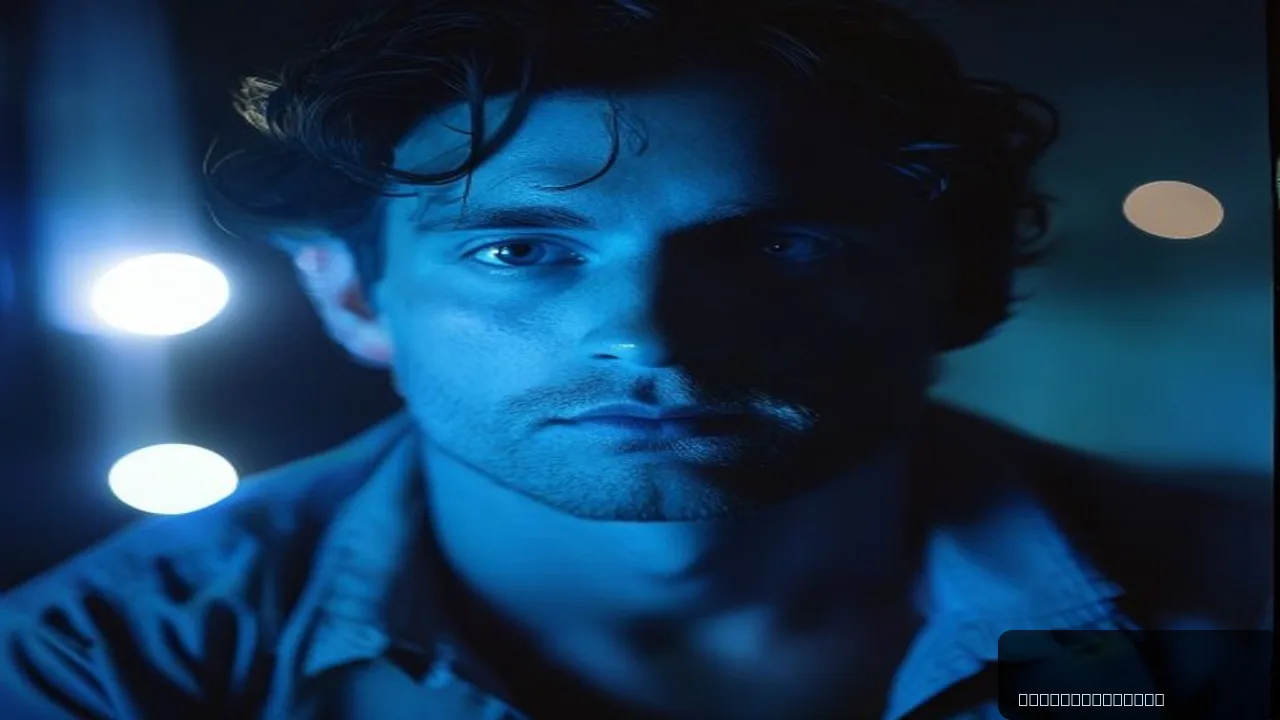
Blue Film is a daring addition to the independent film landscape, making waves with its unique storytelling and engaging representation of queer culture. Directed by an emerging filmmaker known for their bold approach to taboo topics, the film follows the life of a young camboy as he navigates the complexities of desire, identity, and the often harsh realities of digital fame. Released in select theaters and on streaming platforms, Blue Film is not just a narrative about sex; it’s an exploration of intimacy, vulnerability, and societal expectations. The film has garnered attention for its eye-catching visuals and compelling performances, which bring to life the struggles of its characters in a digital age rife with both connection and isolation.
Why this matters
The release of Blue Film underscores a significant shift in the film industry, particularly regarding LGBTQ+ representation. As streaming services like Netflix and Prime Video increasingly embrace diverse narratives, films like Blue Film are vital in expanding the scope of what queer cinema can be. The film arrives at a time when audiences are craving authenticity and representation, contributing to a broader conversation about sexuality and identity on screen. With similar films like Call Me By Your Name and Moonlight achieving critical and commercial success, Blue Film taps into a growing market that is ready to embrace stories that push boundaries.
Box office trends indicate that films focusing on LGBTQ+ themes are gaining traction, with audiences eager to see stories that reflect their realities. As more directors and writers from diverse backgrounds enter the industry, we anticipate a richer tapestry of narratives that challenge traditional storytelling. The success of Blue Film could pave the way for more bold, avant-garde explorations of queer life, particularly in a global context where acceptance varies widely.
Background and history
Blue Film is helmed by a director whose previous works have often explored themes of sexuality and societal norms. The cast features a mix of seasoned actors and newcomers, each bringing a unique perspective to their roles. The film's lead, who portrays the camboy, delivers a nuanced performance that captures both the allure and the struggles of living in front of a camera. The film was produced by an independent studio known for its commitment to authentic storytelling and has received accolades at various film festivals for its innovative approach.
The film’s roots can be traced back to a wave of indie films that have successfully portrayed queer narratives in a way that resonates with both niche and mainstream audiences. This film fits within a lineage that includes works like Paris is Burning and The Adventures of Priscilla, Queen of the Desert, both of which have influenced how queer stories are told on screen.
Where to watch
Currently, Blue Film is available for streaming on several platforms, making it accessible to a wide audience. Viewers can find it on:
- Netflix: Known for its diverse library, including many LGBTQ+ films.
- Prime Video: Offers rental and purchase options for indie films.
- Apple TV: Provides access to independent films through its platform.
- YouTube Official: Available for rent or purchase.
However, availability may vary by region, so it’s advisable to check your local listings on these platforms or visit Movie OTT for the most up-to-date streaming options.
What viewers should know
Q: What is the main theme of Blue Film?
The film primarily explores themes of identity, desire, and the complexities of living in a digital world, particularly for queer individuals.
Q: Is Blue Film suitable for all audiences?
Due to its frank depiction of sexuality and adult themes, the film is intended for mature audiences and may not be suitable for children.
Q: Who are the notable cast members?
The film features a talented cast, including both established actors and rising stars, each contributing to the film's authentic portrayal of its characters.
Q: How does Blue Film compare to other LGBTQ+ films?
While it shares thematic elements with other queer films, Blue Film stands out for its playful yet provocative approach to storytelling, pushing boundaries in a unique way.
Q: Where can I find reviews of Blue Film?
You can find reviews and discussions about Blue Film on various film critique websites, including Movie OTT, where we provide insights and streaming availability.
Conclusion
Blue Film is more than just a film about a camboy; it’s a reflection of the complexities of modern queer life and a commentary on the intersection of intimacy and technology. As audiences seek out more diverse narratives, films like this one are crucial in shaping conversations around identity and belonging.
For those interested in exploring the evolving landscape of queer cinema, Blue Film is a must-watch. Stay tuned to Movie OTT for more insights into independent films that challenge the status quo and offer fresh perspectives on the stories that matter. Whether you’re looking for thought-provoking narratives or simply seeking to enjoy the artistry of independent filmmaking, Blue Film is a significant addition to your watchlist.