








What Identity is About
Identity opens with a premise that feels familiar: a group of complete strangers find themselves stranded at a rundown motel in the middle of a desert during a torrential rainstorm. A deranged murderer is loose. People start dying. The remaining guests begin to fracture—suspicion spreads like wildfire, paranoia takes hold, and each survivor becomes convinced that the killer is one of them. What starts as a race against time becomes a descent into psychological chaos. You'll watch these characters turn on each other, form uneasy alliances, and desperately try to figure out who among them is responsible for the bloodshed. It's the kind of setup that's been done before, which is precisely what makes what happens next so effective.
Behind the Making of Identity
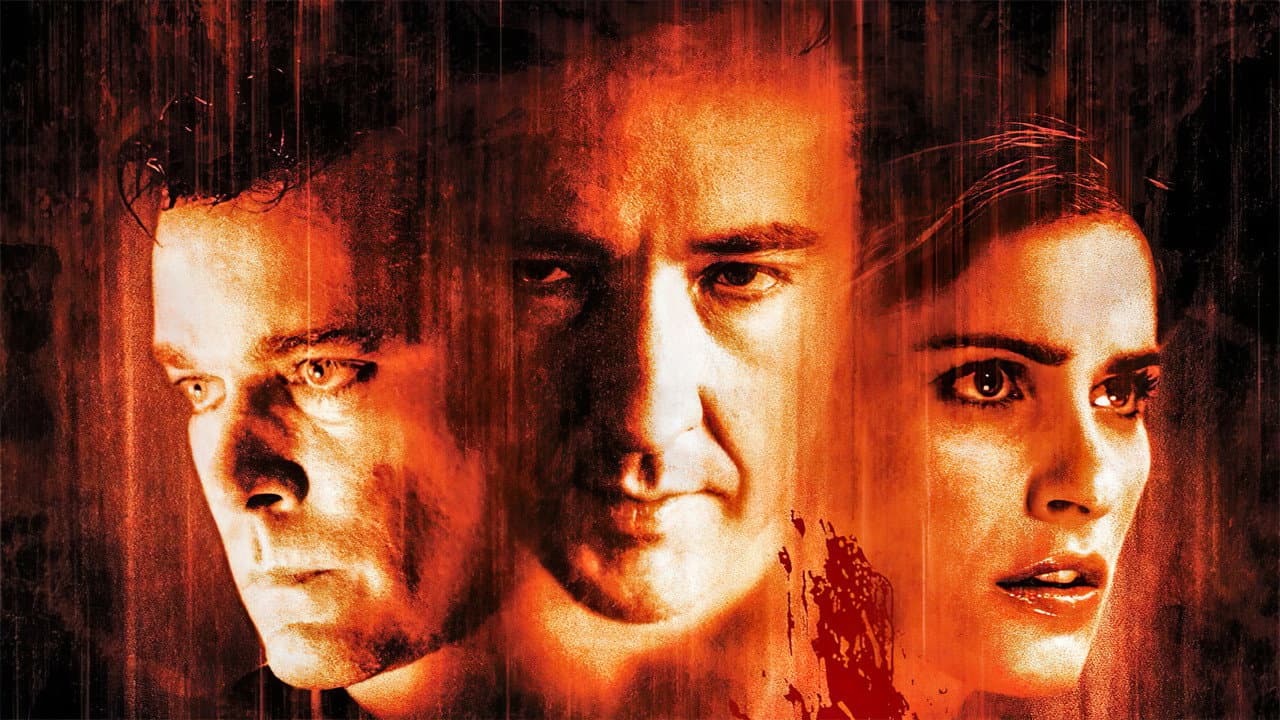
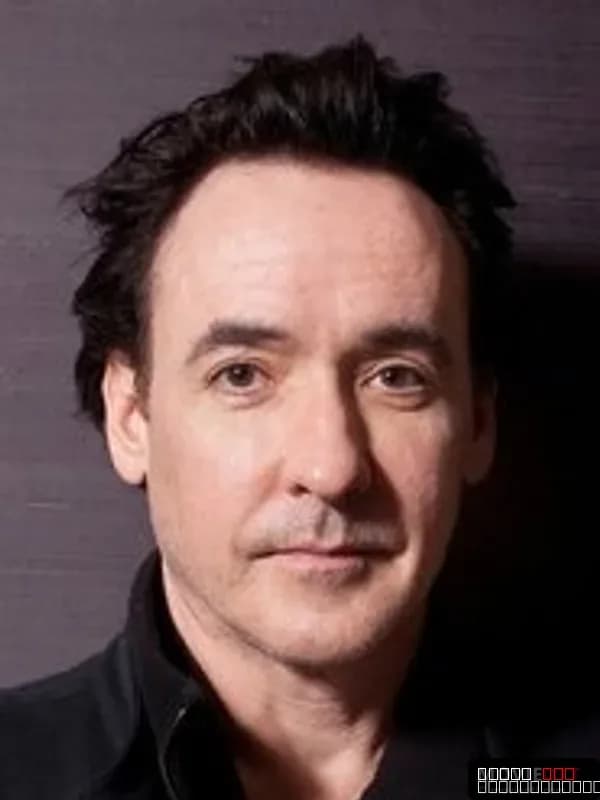
Identity arrived in 2003 as a mid-budget thriller from director James Mangold, the filmmaker behind Walk the Line and Logan, working with a script by Michael Cooney. The film starred John Cusack as a limo driver caught in the nightmare, alongside Ray Liotta, Amanda Peet, and a supporting ensemble that included Alfred Molina, Clea DuVall, Rebecca De Mornay, and John Hawkes. Composer Alan Silvestri provided the score, while cinematographer Phedon Papamichael Jr. shot the claustrophobic motel and storm-battered landscape. The film was produced by Konrad Pictures and Columbia Pictures, and it arrived with modest expectations—a thriller that looked, on the surface, like it might be competent but unremarkable. The runtime of 90 minutes was tight, designed to keep the pace relentless. What neither critics nor audiences expected was how completely the film would upend its own narrative by the final act. The movie didn't generate blockbuster box office numbers, but it found its audience through word-of-mouth, with viewers compelled to discuss and debate its ending long after the credits rolled.
Why Identity Stands Out as a Modern Thriller
What makes Identity work isn't just the twist—it's that the filmmaking is smart enough to earn it. Mangold keeps the tension wound tight throughout; the cinematography traps you in the motel's claustrophobic spaces, and the storm raging outside becomes almost a character itself, cutting off escape and amplifying the sense of isolation. The performances anchor everything. Cusack brings a weary, desperate energy to his role, Ray Liotta radiates menace without ever quite tipping his hand, and Peet manages to be both vulnerable and suspicious in ways that keep you guessing. What's striking is how the script uses misdirection not as a cheap trick but as a genuine exploration of paranoia and perception—you're not being lied to so much as you're being shown exactly what the characters see, which turns out to be incomplete. The thing nobody mentions is how well the film holds up on rewatches; knowing the twist doesn't diminish it because the filmmaking was always in service of something larger than just the shock. Variety reported that audiences appreciated the film's commitment to its concept, even when it defied genre convention. It's one of those rare thrillers where the ending doesn't feel like a betrayal of the audience but rather a completion of what the film was trying to say all along.
Where to Stream Identity Online
Identity is currently available on major OTT services, and the easiest way to find out exactly which platform is streaming it right now is to check the "Where to Watch" widget at the top of this page on Movie OTT. Streaming availability shifts regularly—a title might move between Netflix, Prime Video, or other services depending on licensing agreements—so rather than relying on outdated information, Movie OTT keeps its database current so you can find the film wherever it's available in your region. The 90-minute runtime makes it perfect for a single-sitting watch, which is honestly how you'll want to experience it anyway. Don't look for it on cable guides or rental services alone; check the widget first, and you'll know exactly where to find it.
Frequently asked questions
Q: Who directed Identity and what's his other work?
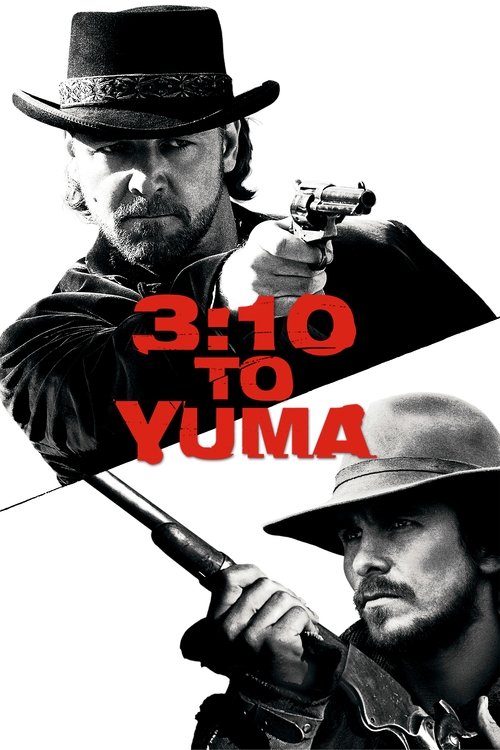
James Mangold directed Identity. He's also known for Walk the Line (2005), 3:10 to Yuma (2007), and the Logan films. Mangold has a talent for character-driven stories with strong emotional cores, even when working within genre constraints.
Q: What's the twist in Identity, and does knowing it ruin the film?
The twist fundamentally recontextualizes everything you've watched—but no, knowing it doesn't ruin the film. The craft of the direction and the performances are strong enough that rewatches reveal layers you missed the first time. That said, if you haven't seen it, go in blind.
Q: Is Identity based on a true story?
No, Identity is an original screenplay by Michael Cooney. It's a fictional thriller inspired by classic mystery tropes but built as a standalone story.
Q: How long is Identity?
The film runs 90 minutes, which is lean for a thriller. The tight runtime works in its favor, keeping tension high and pacing brisk.
Q: What rating is Identity?
Identity is rated R for violence and some language. It's not gratuitously gory, but there are murders and moments of genuine intensity.
Final Thoughts on Identity
Identity is the kind of film that deserves a second viewing—not because you missed plot details, but because knowing where it's headed changes how you read every scene, every glance, every line of dialogue. It's a tight, clever thriller that respects its audience's intelligence and refuses to play it safe. If you're drawn to mysteries with real narrative ambition, or if you just want to experience one of the better plot twists in modern cinema, this one's worth your time.