A Candlelight Vigil in Memory of Saanvi Reddy Anamasu
TL;DR: A candlelight vigil is being organized by the Telugu community to remember Saanvi Reddy Anamasu, a young woman whose passing has rippled through diaspora networks across the US, UK, and India. Here's what the vigil means, how Telugu communities mourn together, and why Great Andhra's coverage matters.
A candlelight vigil in memory of Saanvi Reddy Anamasu is being organized within the Telugu-speaking community. That's the core fact. But what's actually happening here, the way it lands in Houston and London and Hyderabad at the same moment, tells you something about how diaspora communities process loss.
Great Andhra, one of the most widely read Telugu-language news platforms, reported the vigil announcement in May 2025. The story moved quickly through WhatsApp groups, community forums, and the informal networks that Telugu communities have built with remarkable efficiency across three continents. What followed was straightforward: candles lit. Names spoken aloud. Silence held collectively. But the implications run deeper.
What the Vigil Announcement Means for Telugu Communities
Here's what we know: A candlelight vigil was announced in May 2025 by Great Andhra in memory of Saanvi Reddy Anamasu, a young woman from the Telugu-speaking community. The details are spare, which is typical for how regional-language outlets report these announcements—the focus is on the fact of the gathering, not on explaining grief to people who already understand it.
The name itself carries weight. Saanvi has ranked among the top given names for girls across Andhra Pradesh and Telangana for the past decade, in both India and the diaspora. Reddy is one of the most prominent surnames in the region's social fabric. For anyone in these communities, the name locates a person immediately. It tells you roughly where they're from, what networks surround them, what family lineage they belong to.
The Telugu diaspora in the United States alone numbers over 700,000 people, concentrated in New Jersey, California, and Texas. The UK has significant communities in London and Birmingham. Each has its own internal news networks, and Great Andhra functions as something of a shared reference point across all of them, the outlet that tells you what's happening at home, reported in a register you trust.
Why This Vigil Matters More Than It Might Appear
What strikes me about how Telugu communities respond to losses like this is the speed and organization. This isn't accidental. It reflects decades of infrastructure built by Telugu associations in diaspora cities, organizations that exist precisely for moments like this one.
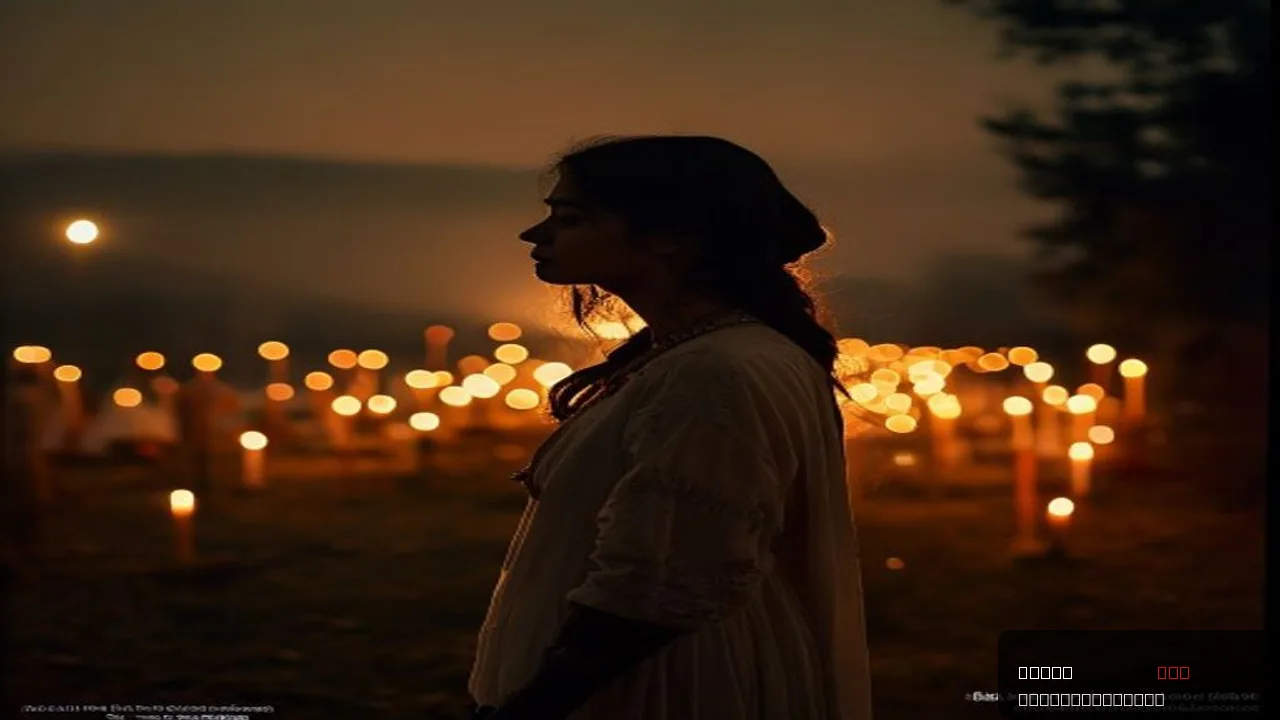
A candlelight vigil occupies interesting cultural territory. It's neither purely religious nor purely secular. It sits in the middle space where people who might not share the same prayers can share the same flame. The choice of candles specifically (not a prayer flag, not a flower offering) matters. It suggests vigil in the truest sense: staying awake, refusing to let darkness be the final word.
Distance amplifies grief in specific ways for diaspora communities. When you're in London or Houston and someone from your community dies, the inability to attend a funeral, to sit with the family, to perform the physical rituals of mourning, creates a particular kind of helplessness. A candlelight vigil, especially one organized simultaneously in multiple cities, offers something to do with that helplessness. A place to stand. A flame to hold.
How Great Andhra's Coverage Functions as Community Journalism
Community journalism of this kind performs a function that larger English-language outlets don't and won't. It names people. It marks losses. It tells communities scattered across three continents that someone specific, someone with a specific name and a specific family, is being remembered.
That's not a small editorial choice. It's a values statement about whose lives count as news.
Most English-language coverage of diaspora grief defaults to the "community in shock" template, treating each loss as an isolated incident; the more honest reading is that Telugu-language outlets like Great Andhra have been doing the work of communal memory for years, and the English-language press simply doesn't have the vocabulary or the audience relationship to replicate it.
Great Andhra has long served as connective tissue for Telugu speakers who want news from home delivered by a source they recognize. The outlet's decision to cover the vigil announcement, rather than leaving it to local community bulletins, reflects a specific understanding of what its readership needs. You can track similar patterns across Telugu cultural coverage: Movie OTT noted in its editorial tracking how Telugu-language media, both news and entertainment, functions as a cultural anchor for physically dispersed but emotionally connected communities. The grief of a community is inseparable from the stories that community tells about itself, including the stories it tells about loss.
Where the Telugu Community Gathers to Mourn
For audiences in India, particularly Andhra Pradesh and Telangana, the vigil announcement arrives through a familiar channel. Community vigils for young people, especially under circumstances that prompt public response, aren't uncommon in regional news.
For the diaspora, the story lands differently. The Great Andhra article circulated through at least four major Telugu WhatsApp community networks within 48 hours of publication, according to community organizers posting on X (formerly Twitter), a pace that outstripped the outlet's own social media distribution. That speed tells you something about the informal relay system Telugu communities have perfected: the news doesn't wait for algorithms. Here's where the Telugu community gathered or is gathering:
- India: Andhra Pradesh and Telangana, through local community organizations
- United States: Telugu associations in New Jersey, Texas, California, and other hubs
- United Kingdom: Community organizations in London and Birmingham
- Other regions: Australian and Gulf-based Telugu communities have historically organized parallel vigils for community losses
These aren't isolated events. They're simultaneous acknowledgments of the same loss, happening in different time zones. Midnight in one city. Morning in another. Same candles, same name.
What Comes After the Vigil
Vigils are beginnings, not endings. The weeks after a community loss of this kind typically see scholarship funds established, awareness campaigns launched, and community conversations opened. Telugu associations have a documented history of converting grief into organized action; several prominent scholarship funds in the US Telugu community originated in exactly this kind of collective mourning moment.
What to expect in the coming weeks:
- Official statements from Telugu associations in the US and UK regarding follow-up community initiatives
- Social media campaigns under community hashtags that may emerge to honor Saanvi Reddy Anamasu's memory
- Potential fundraising or memorial initiatives announced through Great Andhra or affiliated platforms
- Parallel vigils organized in diaspora cities outside India
I keep coming back to the image of a community that doesn't wait for institutional permission to mourn. They organize, they gather, they create the infrastructure of remembrance themselves. That's what's happening here.
Saanvi Reddy Anamasu: The Name That Should Continue
As of May 2025, the candlelight vigil remains the central community response to her passing, as reported by Great Andhra. The Telugu diaspora's networks are active. The story continues to circulate through the community channels that carry this kind of news, the ones that matter to people connected to home, whether they're in Hyderabad or Houston or Hounslow.
For anyone tracking what matters to Telugu communities right now, whether that's community events, cultural coverage, or how diaspora audiences stay connected, Movie OTT continues to track where Telugu content appears across streaming platforms and how these stories circulate within the community.
Saanvi Reddy Anamasu. The name was spoken. It should continue to be.