CBS Cameraman Collapses on Live Air During Taiwan Broadcast of Evening News
TL;DR: A CBS News cameraman suffered a medical emergency during the May 13, 2026 broadcast of CBS Evening News, anchored live from Taipei. Anchor Tony Dokoupil stopped mid-broadcast to call for help. CBS confirmed the crew member is "okay and recovering." The incident unfolded during coverage of the Trump-Xi summit — a broadcast that was already making news for its deliberate choice to anchor from Taiwan rather than mainland China.
What Actually Happened on Air
It was near the end of the broadcast when Tony Dokoupil stopped talking.
The anchor was wrapping up CBS Evening News from Taipei, Taiwan, when something shifted. He looked off-camera (the kind of look that immediately signals something's wrong on live television) and said it plainly: "Is he OK? We're going to take a quick break. We have a medical emergency here."
Then, quieter: "We're calling a doctor."
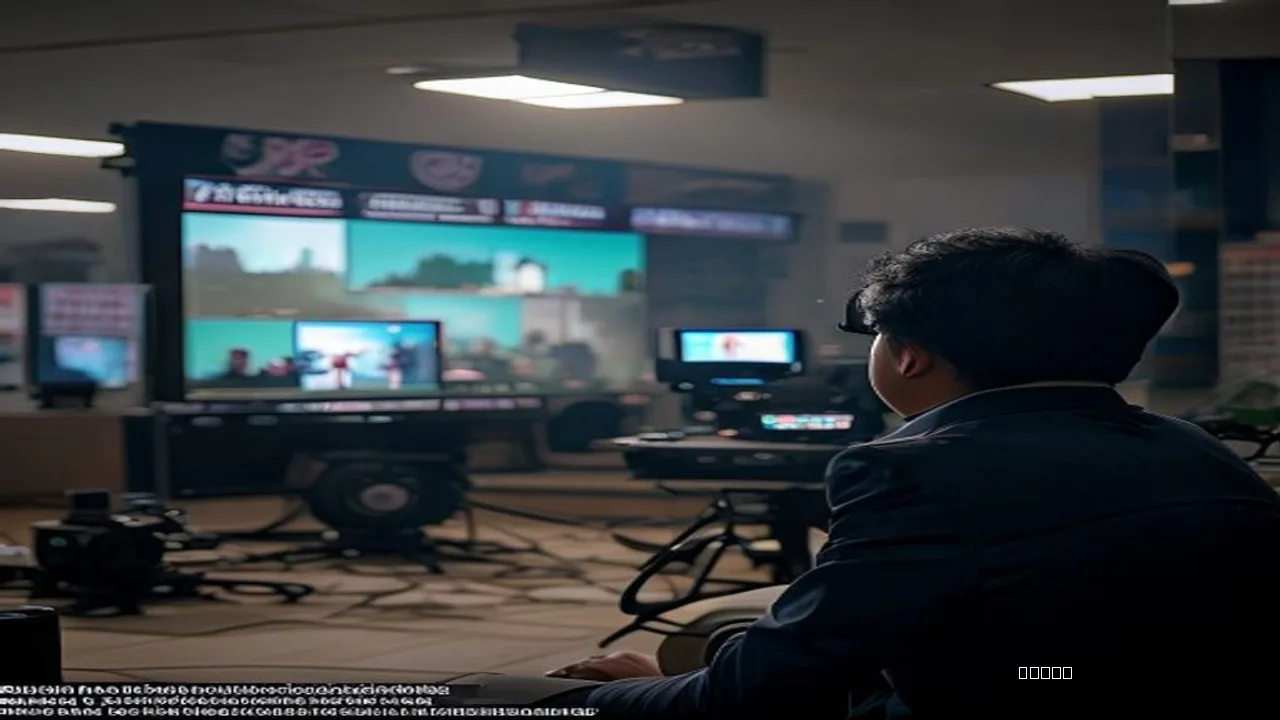
A cameraman on set had collapsed. No dramatics. No extended pause. Just a real person responding to a colleague in distress while millions of viewers were watching. The feed cut away within seconds.
CBS issued a statement shortly after: "Tonight during the final segment of CBS Evening News, our cameraman on set suffered a medical emergency. Thankfully, he's okay and recovering."
No name. No medical details. That's standard practice — and the right call — for crew members who aren't public figures.
Why This Broadcast Was Already a Story
Here's what most quick-hit coverage skipped: the Taiwan location wasn't accidental.
CBS had wanted to place Dokoupil in Beijing for the Trump-Xi summit. The visa didn't clear in time. Instead of anchoring from a New York studio (the conventional backup), CBS made a deliberate editorial choice — broadcast from Taipei instead. That decision was its own argument. Most outlets are treating the visa snag as a logistical footnote, but it's the editorial spine of the whole broadcast. Anchoring from the island that Beijing claims sovereignty over while your competitors file from the mainland isn't a workaround. It's a provocation dressed as a plan B, and CBS knew exactly what it was doing.
Dokoupil opened the broadcast with an explicit framing: "On the surface, it might look like all the action is over there," he said, nodding toward Beijing. The subtext hit differently when you're anchoring from the island Beijing claims sovereignty over. Taiwan, he told viewers, sits at the center of "one of the most important geopolitical stories of our time." He posed the question directly: "Will China, under Xi Jinping, try to take over Taiwan, risking war and economic catastrophe?"
That's not boilerplate anchor copy.
The medical emergency arrived at the tail end of a broadcast that had already accomplished something editorially unusual. The chaos doesn't erase what came before it — but it did overshadow it almost entirely once social media clips started circulating. The Daily Beast's coverage captured the full context: a visa snag that became a strategic pivot that became breaking news, all in one evening.
On-Air Medical Emergencies: The Precedent
This isn't the first time live television has produced a moment like this, and it's worth understanding how rare the visible ones actually are versus how often crew members quietly deal with health scares off-camera.
Back in 2011, CBS2 reporter Serene Branson suffered a visible medical episode during Grammy coverage on air, slurring her words before the feed cut. Early speculation suggested stroke. CBS News later reported that Branson was diagnosed with a complex migraine — not a stroke. She returned to reporting. That clip alone has been viewed over 15 million times on YouTube across re-uploads, a reminder that unscripted medical moments on live TV travel faster and linger longer than almost any planned segment.
The parallels here aren't perfect. Branson was on-camera; the CBS Evening News cameraman was behind it. But the underlying reality is identical: live television crews work under sustained physical and psychological pressure. Often in unfamiliar locations. On compressed schedules. Across multiple time zones (Taiwan is 12 hours ahead of New York). The summit coverage had been running for days.
Nobody talks about crew fatigue the way they talk about anchor burnout. That gap exists — and it shouldn't.
Where You Can Watch CBS News Coverage Globally
If you're tracking this story across regions, here's where CBS Evening News content is available:
- United States: Streams on Paramount+ (with subscription). Available on-demand through CBS.com the day after broadcast.
- United Kingdom: Not widely distributed. Clips circulate on social platforms; BBC News and Sky News handled the summit coverage separately.
- India: NDTV and CNN-News18 covered the summit primarily. CBS News international streaming remains limited in India, though clips surface on YouTube and occasionally via Paramount+ where licensing allows. Movie OTT's streaming tracker can help you locate CBS News content when it does cross over to accessible platforms in your region.
- Spain: Local broadcasters and CNN en Español handled summit coverage. CBS News isn't widely available through standard Spanish streaming services.
The broader reality: live news around geopolitical events still commands global attention that no single streaming platform has fully absorbed. When something happens on air — especially something unscripted — it reaches people across borders in minutes.
Why the Crew Member Remains Unnamed (and That's Correct)
A quick editorial note. Some outlets leaned into the drama — the shaking camera, the cut feed, the visible alarm on Dokoupil's face. That's all real. That's all worth reporting.
But the cameraman at the center of this moment is a private individual doing a technical job. He's not a public figure. CBS confirmed he's recovering. That's the appropriate amount of information to release without his consent. The story is the incident. It's not a puzzle to solve about his identity or his medical history.
Hard to say every outlet covering this has maintained that line cleanly. Some haven't.
What Comes Next
The Trump-Xi summit continued. Weijia Jiang and Anna Coren kept reporting from Beijing. CBS hasn't indicated whether Dokoupil will anchor from Taipei for follow-up coverage, or whether the crew situation prompted a logistical reset. Given that the cameraman is confirmed to be recovering, business as usual seems likely.
The part I'm most curious about is whether CBS doubles down on the Taiwan editorial angle in future broadcasts or whether the incident prompts a quieter, more conventional approach. That choice will say something about the network's nerve.
For readers tracking geopolitical coverage and where it streams, Movie OTT maintains updated listings for Paramount+ and news-forward platforms across regions as this story develops.