Clarissa Review: Sophie Okonedo Owns Lagos in the Year's Most Ambitious Literary Adaptation
TL;DR: Arie and Chuko Esiri's Clarissa — a Lagos-set reimagining of Virginia Woolf's Mrs Dalloway — premiered at Cannes 2026 with Sophie Okonedo leading an ensemble cast that includes Ayo Edebiri and David Oyelowo. At 127 minutes on 35mm film, it's the kind of prestige literary adaptation that streaming platforms fight over. No Indian OTT home has been confirmed yet, but Neon holds world sales rights.
Two brothers. One 1925 novel. A single-day Lagos party that somehow sustains 127 minutes without wasting a frame.
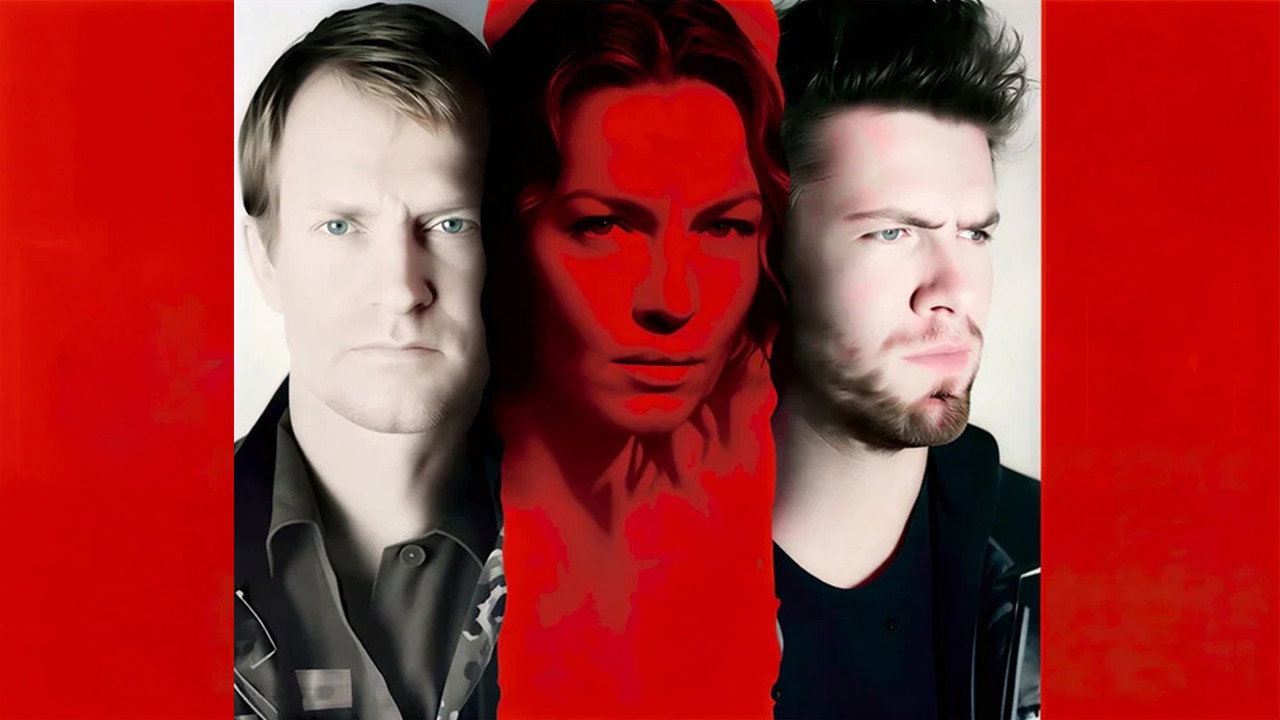
That's Clarissa, the second feature from Nigerian-British filmmakers Arie and Chuko Esiri, which debuted in Cannes' Un Certain Regard section on May 12, 2026. The Esiris have taken Virginia Woolf's interior monologue masterpiece and transplanted it to contemporary Lagos with the kind of formal confidence that makes you forget you're watching an adaptation at all. Sophie Okonedo plays Clarissa, a society wife preparing an evening party while her past — a poet lover, a close female friend, the woman she might have become — keeps bleeding into the present. It's the most radical screen version of Mrs Dalloway yet made.
The Cast That Signals Awards Ambition
Here's what matters first: who's in this, and why their presence tells you something about where the film is headed.
Sophie Okonedo — Academy Award nominee for Hotel Rwanda, BAFTA winner, one of Britain's most precise screen actors — carries the film as Clarissa. Variety's Jessica Kiang wrote that Okonedo delivers "beautifully on Clarissa's ability to bilocate, to be right here and present, but also somewhere very far away." That's the kind of performance language you see in awards citations.
The supporting cast is equally deliberate:
- Ayo Edebiri — Emmy winner for The Bear, currently the most commercially bankable young actor in prestige drama. Her presence alone drives search volume in markets where The Bear Season 3 performed well on Disney+ Hotstar (which matters for India specifically).
- David Oyelowo — Golden Globe nominee for Selma, consistent across arthouse and mainstream work
- India Amarteifio — Queen Charlotte breakout, now in her second major literary adaptation in as many years
- Toheeb Jimoh — Ted Lasso alumnus building a prestige-drama portfolio
Casting director Nina Gold — who also cast Game of Thrones and the Lord of the Rings series — is credited here. The continuity between younger and older versions of each character is "endlessly remarkable," according to Variety, because that's not accident. That's months of precise casting work paying off in narrative coherence.
What the 35mm Cinematography Actually Does
Shooting on 35mm film stock in 2026 isn't nostalgia. It's a market signal. Films shot on 35mm right now are staking a theatrical claim — think Paul Thomas Anderson's recent work versus the digital-native prestige drama that dominates streaming. Cinematographer Jonathan Bloom's choice means something specific: this film wants to exist in cinemas first.
The grain sits differently on Lagos light. Warm ochres in Clarissa's upscale garden. Fluorescent cramped space in Aisha's sewing room. What strikes me is how Bloom closes the social distance between two worlds without editorializing; you feel the class divide in color temperature before any character says a word about it.
Kelsey Lu's neo-classical score reportedly avoids triumphant crescendos. The film ends, per Variety's review, "on a note of reconciliation." That restraint — not breaking into emotional theater — is harder to sustain for 127 minutes than any monologue.
Why the Esiris Matter (and Where This Film Is Going)
The brothers aren't unknown quantities. Their debut Eyimofe (also called This Is My Desire, 2020) won the Tiger Award at Rotterdam — a meaningful credential. Rotterdam's Tiger Award has historically predicted arthouse careers with real theatrical legs. Past winners moved to Cannes, Venice, BAFTA nominations within two to four years.
Clarissa is their Cannes arrival. And arriving in Un Certain Regard — not the main Competition — is actually the smarter position right now. That section has become where formally ambitious films with real theatrical and streaming potential get placed. Titane was there. Burning was there. Films that become streaming hits six months after their premiere because audiences find them on platforms rather than in cinemas.
Most trade coverage frames the Esiris' trajectory as a feel-good discovery story, two brothers going from Rotterdam to Cannes. The more interesting question is financial: Eyimofe was made for under $200,000 and grossed modestly even by arthouse standards, while Clarissa carries a cast whose combined quote likely puts the budget north of $8–10 million. That's a 40x-plus jump in production cost between first and second feature, which means someone — Neon, equity financiers, or both — is making a very aggressive bet that this team can convert critical heat into actual returns. If the film doesn't clear $15 million in combined theatrical and streaming license fees, that bet looks shaky regardless of how many critics' lists it lands on.
The Esiris are being positioned for exactly that trajectory. Limited theatrical run in the US and UK. Then a streaming acquisition that lets the film build an audience over two to three years. The Woolf source material is evergreen. The cast is searchable. And 35mm cinematography looks extraordinary on a 65-inch OLED.
The Adaptation's Central Insight
Chuko Esiri, speaking about the transplant from London to Lagos in festival materials, framed it as a natural fit rather than radical intervention. The novel's concerns — social performance, suppressed desire, the gap between the life you chose and the life you might have had — map cleanly onto Lagos's upper class, where prestige, family expectation, and visibility carry enormous social weight.
A secondary plotline follows Septimus (Fortune Nwafor), a traumatized soldier whose wife works as Clarissa's seamstress. That's a structural echo of Woolf's original shell-shocked veteran subplot, now recast through Nigeria's military corruption. It's a smart choice — not erasure, but contextualization. The material doesn't feel imported. It feels rooted.
Variety noted that the film treats Clarissa "not as a symbol but as a specific woman — loved by some, resented by others, admired by all — and totally alone." That's the emotional thesis. Okonedo plays it without breakdown scenes. Just small moments: a breath taken before a smile is arranged. A glance out a window that lasts two seconds too long. Honestly, that kind of restraint is rarer than it should be.
Where You'll Actually Watch This (India Timeline)
No Indian streaming rights have been confirmed as of publication. Neon holds world sales, and their recent acquisition pattern — Saltburn, Passages, and several Cannes titles — suggests the film will land on a premium platform in the US first, with international rights sold territory by territory.
For India, the realistic OTT candidates are:
- Netflix India — most likely given their appetite for prestige international cinema and existing relationships with Cannes Un Certain Regard titles
- MUBI India — strong secondary candidate; MUBI has been aggressive about literary adaptations and African cinema in the Indian market. Worth noting: MUBI India's subscriber base reportedly crossed 500,000 paid users in early 2026, up roughly 3x from 2023, and their acquisition of Payal Kapadia's All We Imagine as Light after its Cannes Grand Prix win proved that festival-circuit titles can crack MUBI India's top-10 most-watched within a week of landing on the platform. That's the comp that matters here, not some hypothetical appetite for "world cinema" in the abstract.
- Amazon Prime Video India — possible but less likely given current content priorities
- Apple TV+ India — worth watching; Apple has picked up Neon-adjacent prestige titles before
Movie OTT's where-to-watch tracker will update Indian availability the moment rights are confirmed. No Hindi, Tamil, or Telugu dub is expected — English with subtitles will be the standard format in India.
The Indian angle worth noting: Edebiri's profile has grown sharply since The Bear Season 3's performance on Disney+ Hotstar. Her presence in Clarissa may drive Indian search volume for the film well above what a typical Cannes arthouse title would generate.
The Immediate Festival Circuit and Awards Timeline
The rest of 2026 will shape whether Clarissa becomes a streaming hit or stays prestige-arthouse. Watch for:
- Toronto (September 2026) — the logical next stop after Cannes
- BFI London Film Festival (October 2026) — likely given the film's British-Nigerian production identity
- US theatrical release (Q4 2026) — Neon will need a qualifying run before December 31 to lock in awards eligibility
- Streaming deal announcement (60-90 days after theatrical) — when the real audience size becomes clear
Sophie Okonedo's awards-circuit presence will ramp up from September onward. Check Movie OTT for updates on where the film lands in different territories as rights confirmations come in.
Hard to say whether Clarissa becomes a mainstream streaming phenomenon or stays firmly in the prestige arthouse lane. But the Esiris have made a film that deserves to find both audiences — the kind that seeks out literary adaptation, and the kind that just wants to watch Sophie Okonedo think for 127 minutes.