The story of Selma: What you need to know
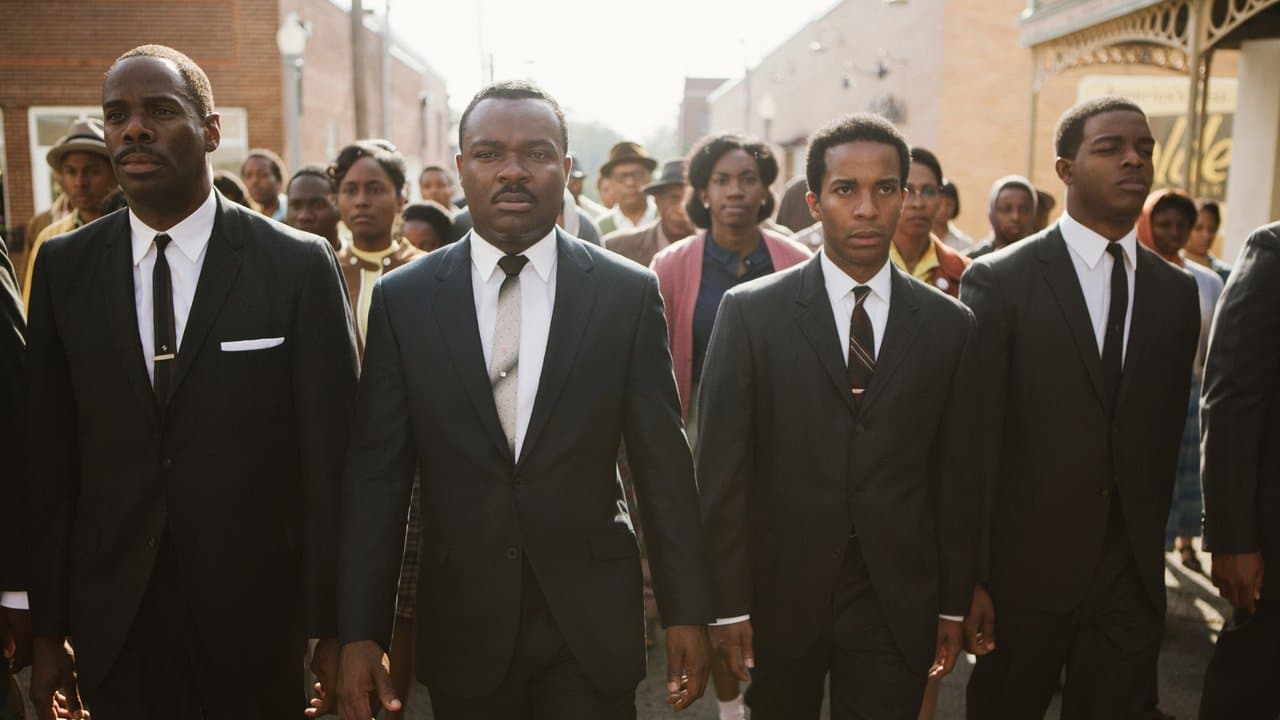
Selma tells the story of the 1965 voting rights marches in Selma, Alabama—a pivotal moment when the Civil Rights Movement faced its most brutal test. The film centers on Dr. Martin Luther King Jr. and the activists who organized the march from Selma to Montgomery, demanding the right to vote in a state where segregation held an iron grip. It's not a sweeping biography of King's entire life. Instead, it zeros in on a specific campaign, a specific struggle, a specific moment when everything hung in the balance. The march didn't go smoothly. Violence erupted. People bled on the bridge. And yet the movement pressed forward, ultimately forcing President Lyndon B. Johnson to champion the Voting Rights Act of 1965—legislation that would reshape American democracy.
Behind the making of Selma: Director, cast, and recognition
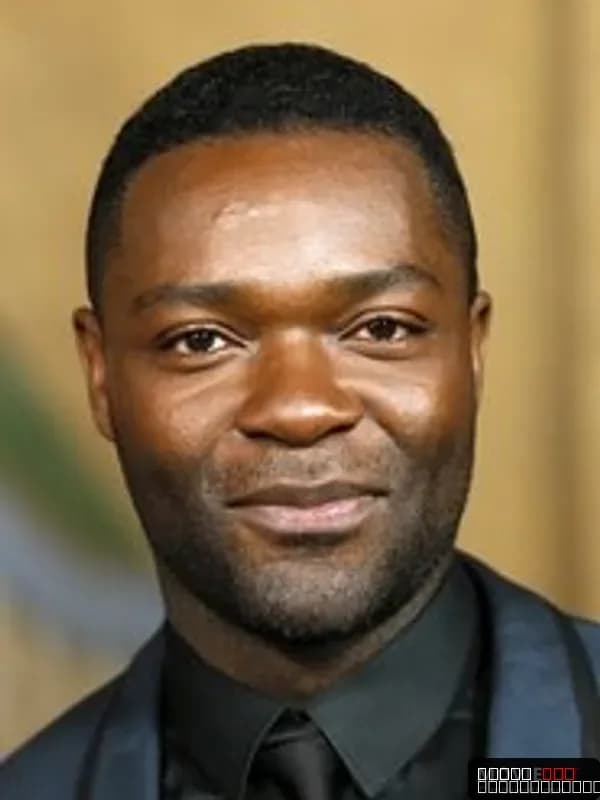
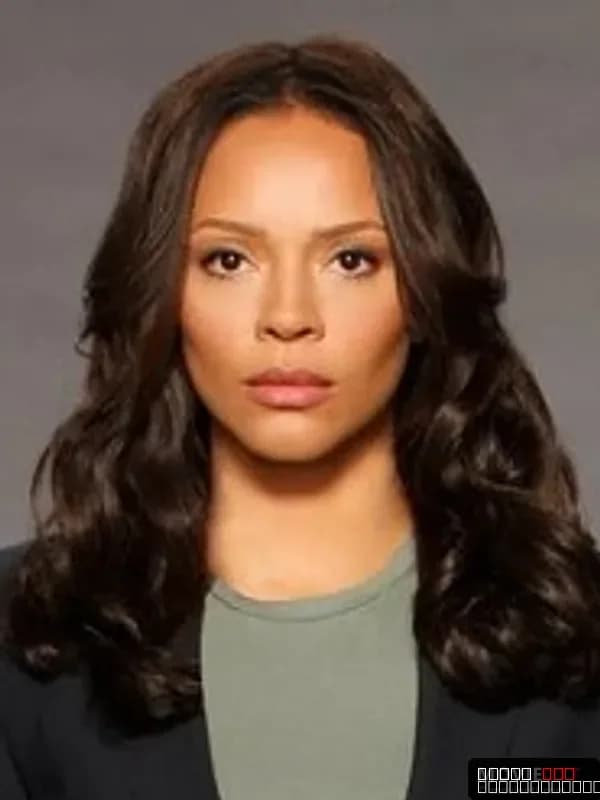
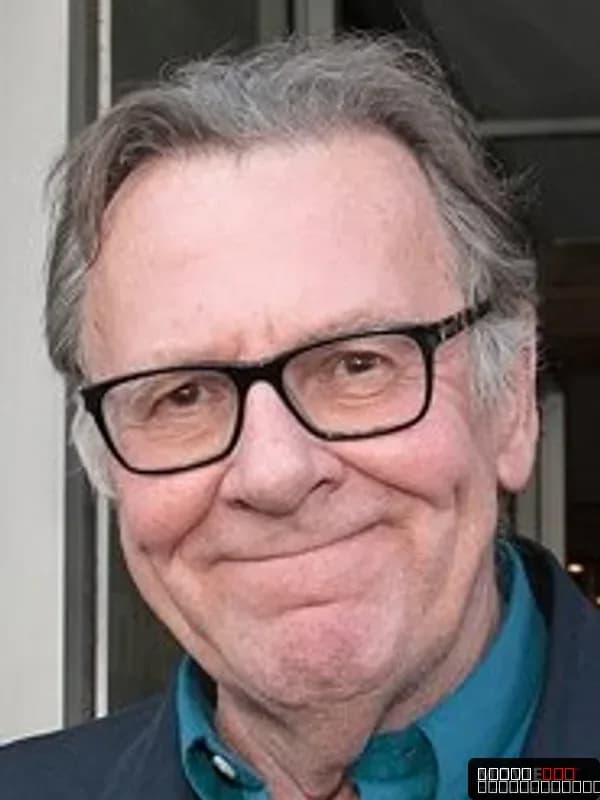
Director Ava DuVernay brought Selma to life in 2014, working from a script by Paul Webb. It's a film made by filmmakers who understood the weight of what they were depicting. The ensemble cast reads like a who's who of serious actors: David Oyelowo carries the film as MLK, while Tom Wilkinson plays President Johnson, Tim Roth embodies the intransigent Alabama governor George Wallace, and Carmen Ejogo grounds the story as Coretta Scott King. Supporting roles feature Common as activist James Bevel, Cuba Gooding Jr. as civil rights attorney Fred Gray, and Oprah Winfrey as Annie Lee Cooper—a woman who challenges the voter registration system face-to-face. The production drew backing from Plan B Entertainment, Cloud Eight Films, Ingenious Media, and Harpo Films, bringing together serious institutional weight behind the project.
The film earned widespread critical acclaim and landed multiple Oscar nominations, though it sparked some debate in awards circles about historical accuracy versus dramatic license. At 128 minutes, it's a lean, focused narrative—not bloated with unnecessary subplots. The runtime respects the audience's time while delivering a complete emotional and political arc. Movie OTT tracks where Selma streams across multiple platforms, making it easier than ever to access this essential piece of American cinema.
What makes Selma stand out: Performance and purpose
What's striking about Selma is how it refuses to make King a marble statue. Oyelowo plays him as a man who doubts, who struggles, who carries the weight of millions on his shoulders—and who sometimes gets things wrong. There's a scene where King wrestles with strategy, where he's not sure if the march should happen, where he's afraid. That vulnerability is what makes the eventual courage so powerful. The film doesn't shy away from the cost of activism. People die. Bones break. Families fracture under pressure. Yet the movement endures anyway.
The supporting cast brings texture and specificity to what could've been a flat historical pageant. Wilkinson's Johnson is pragmatic, calculating, sometimes frustratingly slow to act—because that's how politics actually works. Wallace becomes more than a cartoon villain; he's a man defending a system he believes in, which somehow makes his racism more comprehensible and more damning. Common's James Bevel is charismatic and driven, but also human—not a saint, not a symbol, a person.
What I keep coming back to is how the film treats the marchers themselves. They're not background extras. They're individuals with names, fears, and reasons for being there. That specificity—that refusal to reduce people to a cause—is what separates Selma from lesser historical dramas. The cinematography captures both the beauty of the landscape and the ugliness of what happens on that bridge, often in the same frame.
Where to stream Selma online
Selma is currently available on major OTT streaming services, and you can check the Where to Watch widget at the top of this page to see exactly which platforms are carrying it right now. Streaming rights shift constantly, so it's worth verifying availability in your region before you settle in to watch. Movie OTT keeps that information current, so you won't waste time searching. The 128-minute runtime makes it a perfect evening watch—substantial enough to feel like an event, short enough that you can finish it in one sitting if you want to.
Frequently asked questions
Q: Is Selma based on a true story?
Yes. The film depicts the actual 1965 Selma to Montgomery voting rights marches, which were led by Dr. Martin Luther King Jr., Hosea Williams, and John Lewis. The marches were real events that resulted in violence and ultimately led President Johnson to support the Voting Rights Act of 1965.
Q: Who directed Selma?
Ava DuVernay directed the film from a screenplay by Paul Webb. DuVernay's direction focuses the story tightly on the campaign itself rather than attempting a full biography of King's life.
Q: Who plays Martin Luther King Jr. in Selma?
David Oyelowo gives a career-best performance as Dr. King, bringing both the public orator and the private doubts of the man to vivid life throughout the film.
Q: How long is Selma?
The film runs 128 minutes, making it a focused, lean historical drama that doesn't overstay its welcome while still delivering emotional and political depth.
Q: What's the Voting Rights Act that the film mentions?
The Voting Rights Act of 1965 was landmark federal legislation that prohibited racial discrimination in voting. The marches depicted in Selma were instrumental in pushing President Johnson to champion this legislation, which fundamentally changed American electoral law.
Final thoughts on Selma
Honestly, Selma matters because it refuses to let history feel safely distant. The issues it raises—voting access, police violence, political will, the cost of change—haven't disappeared. They've evolved. Watching this film isn't an academic exercise; it's a conversation with the present. It's a reminder that rights we take for granted were fought for, bled for, sometimes died for. That's not heavy-handed. That's just true. If you haven't seen it, you should. If you have seen it, you might want to watch it again.