Conecta Magaluf-Mallorca: 10 Years, New Home, Big Questions
This May, the global content industry descends on a place you might not expect: Magaluf, Mallorca. Conecta Fiction & Entertainment’s 10th edition — rebranded this year as Conecta Magaluf-Mallorca — isn't just celebrating an anniversary; it’s making a deliberate move to Spain’s Balearic Islands for the very first time. From May 25-28, 2026, industry leaders will gather to tackle the stuff everyone's actually talking about: AI's explosive role, vertical microdramas, and who really owns intellectual property in the creator economy.
Welcome to Magaluf: Conecta Hits 10 Years on the Balearics
Ten years in, Conecta isn't playing it safe. The forum, a long-standing meeting point for producers, commissioners, streamers, and distributors across Europe and the Americas, has picked Magaluf-Mallorca for its milestone 10th edition. This relocation isn't just geographical; the rebranding to Conecta Magaluf-Mallorca really signals a fresh chapter. The event runs May 25–28, 2026, at the Meliá Calvià Beach Hotel in Calvià, marking its first visit to Spanish island territory.
You might think a rebrand like this is just for show. It isn't. The move to Mallorca brings an ambitious program — over 40 scheduled activities, nearly 100 speakers, and a thematic focus that feels less like a standard conference and more like a live dissection of the global content business. AI production tools, the explosion of vertical microdramas, IP ownership battles between creators and broadcasters, independent producers trying to survive a merger-heavy market — these are the conversations Conecta 2026 is built around. Variety reported the announcement came at a press conference in Calvià, where forum director Géraldine Gonard presented the full slate. Movie OTT, which tracks streaming availability across more than 50 platforms globally, has seen first-hand how fragmented content distribution makes forums like this more crucial than ever for deal-making.
Inside the Program: Live AI, Mock Trials, and Exec Summits
Here’s what the four-day schedule looks like beyond the press releases:
- May 26 — AI Production Workshop: Creator Paco Torres won't just talk theory. He'll produce a complete vertical-series episode live, in front of attendees, using only generative AI tools. That's a real demonstration.
- May 27 — AI and Vertical Microdramas on Trial: Omdia analyst María Rua Aguete leads a mock-trial session. The audience serves as the jury, weighing a central question: are microdramas a natural evolution in mobile viewing, or do they represent a genuine break with traditional media models?
- May 27 — Public Screening: Movistar Plus+ original series Many People Need to Die (Se tiene que morir mucha gente) screens at the Peguera auditorium. This is just six days after its platform premiere on May 21.
- Conecta Summit: An invitation-only, off-the-record session for 20 senior international executives from studios, streamers, production companies, and big tech. No panels here, no moderators — just peer-to-peer discussions.
- Focus on Commissioners: Confirmed participants include Morad Koufane (France Télévisions), Alberto Fernández (RTVE Play), Michele Zatta (RAI), and Ludovica Fonda (Mediaset Group).
- Formats sessions: Bringing together André Renaud of Warner Bros. Discovery and Nick Smith of All3Media International, alongside independent producers Avi Armoza (Armoza Formats) and Miroslav Radojevic (Global Agency).
- Pitch Talent: The second edition, showcasing emerging screenwriters selected through IsLABentura Canarias, CIMA Impulsa, and DAMA Ayuda labs.
Market intelligence runs throughout the forum. Jonathan Broughton of PlumResearch leads a fiction demand analysis session, while Caroline Servy from The Wit delivers a global read on scripted and unscripted trends. A financing workshop — with Luis Piñas of Bankinter, Alexandra Lebret of AXIO Capital, and Sebastián Vibes of Green Screen — rounds out the business-facing programming.
Beyond the Buzzwords: Why These Topics Matter Now
Honestly, what strikes me is how precisely the Conecta 2026 agenda maps onto the actual fault lines running through the global television business right now. The microdrama question isn't niche anymore. Platforms built on short-form vertical content — especially in China and Southeast Asia — have shown viewer retention numbers that Western broadcasters and streamers have been quietly studying for two years. This format is coming, whether legacy players adapt or not.
Meanwhile, the AI conversation has moved well past the ethical debate phase. Or at least, the industry has. The Paco Torres live-production session is a clear signal: this isn't about if AI will enter production workflows, but how fast and how completely. The mock-trial framing for the May 27 debate is clever, precisely because it acknowledges there are genuine stakes — not just buzzwords.
The creator economy session — Creators vs Broadcasters: Who Owns the Future of Entertainment? — may be the most commercially significant of all. Sebastian van Barneveld of Talpa Studios, María Arroyo of Seven.One Studios International, and Catherine Alvaresse of Banijay France are among the confirmed speakers. The tension here is real: digital-first creators are increasingly producing content that outperforms commissioned broadcast material in reach and engagement, but the contractual and IP frameworks haven't caught up. The forum's growth over ten editions, I think, tracks almost exactly with the disruption cycle that started when Netflix went global in 2016. Conecta began as a co-production meeting focused largely on Spanish-language serialized fiction. By its 10th edition, it's running sessions on big tech's role in content and financing structures for audiovisual projects. The evolution is telling.
A New Image for Magaluf? Culture Over Clubbing
Magaluf has a reputation. For decades, the Balearic resort town has been associated with British package tourism, nightlife, and the particular chaos of cheap summer holidays. So, the decision by local and regional authorities to back Conecta’s relocation there is a deliberate repositioning play — and a fairly aggressive one.
Calvià mayor Juan Antonio Amengual framed the Conecta move as part of a wider cultural pivot, alongside the Calvià, Plató de Cine initiative, which positions the municipality as a film production destination. Jaume Bauzà, the Balearic Islands' regional minister for tourism, culture, and sport, stated that backing events like Conecta helps position the islands "as a benchmark for the creative industry on an international scale."
Hard to say if a four-day content forum transforms Magaluf's image overnight. It won't. But the logic is sound: professional events bring a different demographic, generate year-round economic activity, and, crucially, change the narrative. It’s a calculated bet.
The Anniversary Voice: Géraldine Gonard on Inclusivity
Gonard, presenting the program at the Calvià press conference, framed the anniversary edition as something deliberately inclusive. "We will be offering more than 40 activities featuring nearly 100 speakers, in a year in which we are celebrating our tenth anniversary in a very special way," she said.
She went further, describing the event's scope: the edition would focus on "all the key players that shape our industry: from creators to distributors, including commissioners, investors, producers and digital content creators, not forgetting the media, whose work is essential to us all."
That last clause matters. The 2026 edition will pay tribute to Variety's International Features Editor John Hopewell — a recognition, Gonard said, of journalism's place within the professional conversation alongside buyers, producers, and commissioners. Gonard described Hopewell as "a great journalist and international figure in specialized journalism." It's a small gesture, but it says something about how Conecta positions itself: not as a market where press are tolerated, but as a forum where editorial perspective is treated as part of the industry's infrastructure. Honestly, that's rarer than it should be.
India's View: How Mallorca's Conversations Play Out East
India doesn't have a seat at the Conecta table — not literally, anyway. But the conversations happening in Mallorca from May 25–28 have direct implications for Indian OTT platforms and audiences.
The vertical microdrama format is already gaining traction on Indian mobile platforms. Short-form drama content has been tested across YouTube, MX Player, and various regional-language platforms, and data from Southeast Asian markets — where microdrama viewing has grown dramatically — is being watched closely by Indian platform strategists. The Conecta 2026 debate on whether microdramas represent a format evolution or a break from traditional models is a conversation Indian streaming executives will be following closely. Movie OTT, for instance, has noted the rapid rise of short-form video in India.
The AI production workshop is similarly relevant. Indian production houses have been integrating generative AI tools into pre-production and post-production workflows faster than most Western counterparts acknowledge. A live demonstration of AI-generated vertical content — the kind Torres is staging on May 26 — is the sort of session that Indian producers and platform heads would benefit from directly.
The creator economy sessions are also worth flagging for the Indian market. The tension between digital-first creators and traditional broadcasters that Conecta is examining in a European context maps almost perfectly onto the dynamics between Indian YouTube creators, Instagram Reels talent, and legacy broadcast channels competing for the same audience.
Spotlight Series: Many People Need to Die at Conecta and Canneseries
The public screening on May 27 is the event's most visible consumer-facing moment — and the series chosen for it has genuine credentials.
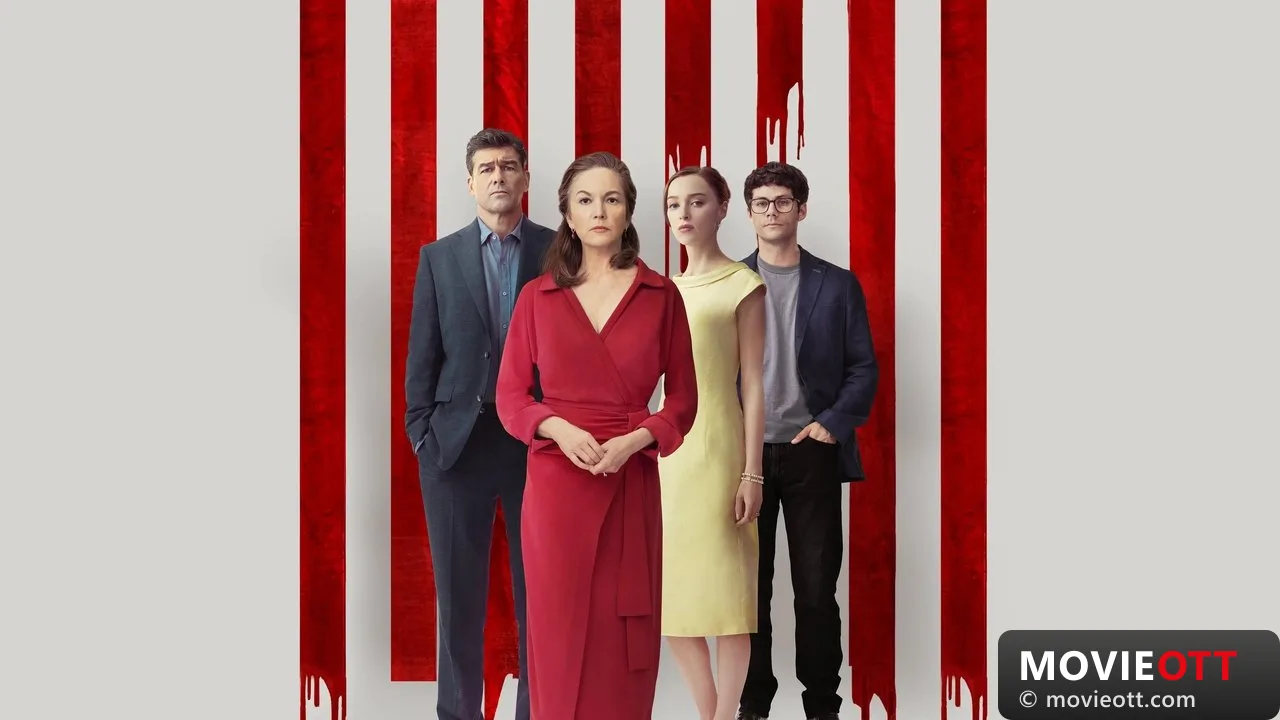
Many People Need to Die (Se tiene que morir mucha gente) is a Movistar Plus+ original, produced with Corte y Confección de Películas and Living Producciones. Created by Victoria Martín — adapting her own novel of the same name — the series stars Anna Castillo (known for The Endless Trench and Carmina), Macarena García (Blancanieves, La Llamada), and Laura Weissmahr.
Its Canneseries 2026 selection isn't a small thing. Canneseries has become the most significant dedicated festival for serialized television in Europe, and a slot there typically signals that a series has cleared the bar for international co-production quality. The show premieres on Movistar Plus+ on May 21 — four days before Conecta opens — meaning the Mallorca screening on May 27 arrives while the series is actively launching.