FCC vs. Disney: The Fight Over ABC's Airwaves Is Bigger Than Kimmel
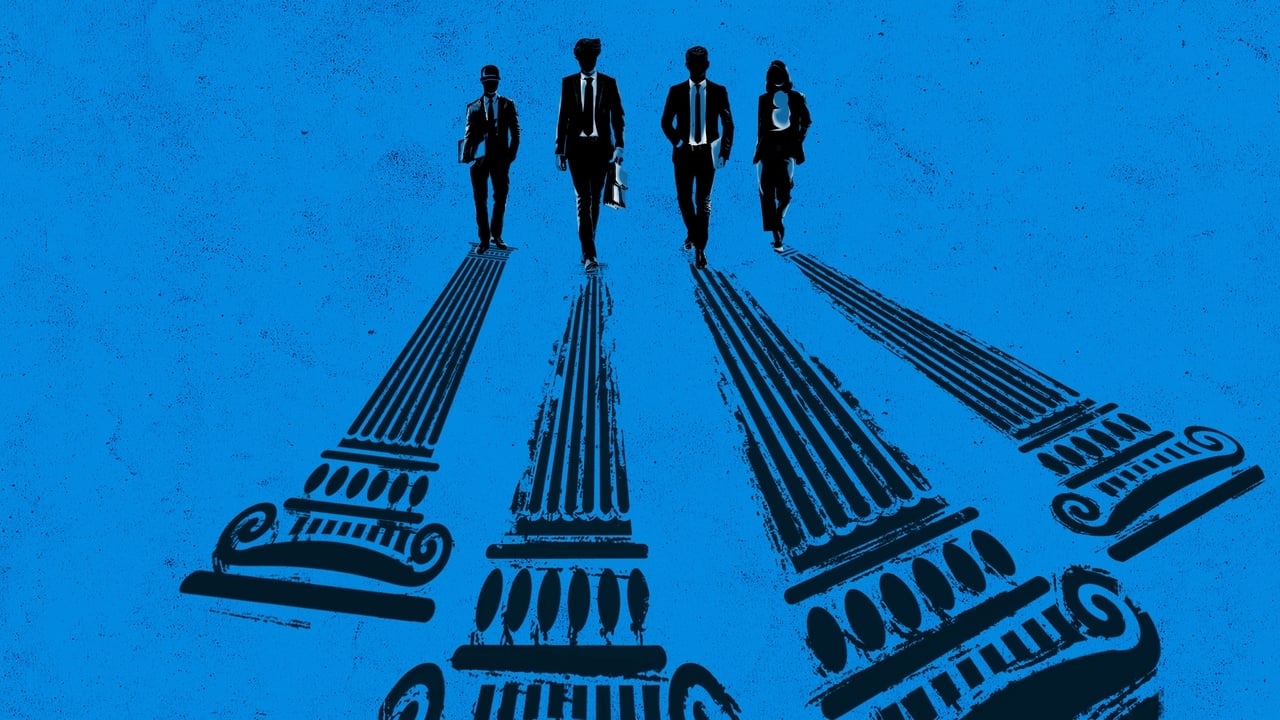
TL;DR: FCC Commissioner Anna Gomez publicly backed Disney CEO Josh D'Amaro in a May 11, 2026 letter, calling the Trump administration's regulatory pressure on ABC a "sustained, coordinated campaign of censorship." The standoff — targeting Jimmy Kimmel Live! and The View — has now escalated to forced license reapplications for eight ABC stations. Here's what's actually at stake, and why streaming audiences everywhere should be paying attention.
On a Sunday Morning in Washington, a Regulator Chose a Side
On May 11, 2026, while most of Washington was still processing a week of escalating media-industry tension, FCC Commissioner Anna Gomez sat down and wrote a letter. Not a regulatory filing. Not a press release. A letter — addressed personally to Walt Disney Company CEO Josh D'Amaro — that accused the Trump administration of running what she called "a sustained, coordinated campaign of censorship and control" against ABC and its parent company. Gomez, the only Democrat currently serving among the FCC's three commissioners, didn't hedge. She praised Disney for "choosing courage over capitulation," and she put the full weight of her office behind that praise. It was a remarkable moment. And if you watch anything on Disney+, Hulu, or ABC — anywhere in the world — it should matter to you.
What Has Actually Happened to ABC Since Late 2024
The timeline here is dense, and it's worth laying out clearly, because the individual incidents look different when you see them stacked together.
- Late 2024: A politically motivated outside organization filed an FCC complaint alleging ABC violated its news distortion policy during the presidential debate the network moderated. Agency staff reviewed and dismissed it in January 2025, finding it contrary to the First Amendment. The FCC, under Chairman Brendan Carr, revived it anyway.
- March 2025: The FCC opened an investigation into Disney and ABC's diversity, equity, and inclusion programs — directing its Enforcement Bureau to demand a full accounting of the company's internal HR policies. Disney has since produced over 11,000 pages of responsive documents.
- September 2025: Carr threatened ABC and its affiliates over Jimmy Kimmel's on-air comments about MAGA supporters following a high-profile killing, warning stations they could face investigation for "news distortion" if they didn't drop Kimmel. His exact words, according to Variety's report on the ongoing dispute: "We can do this the easy way or the hard way."
- Late 2025: ABC suspended Kimmel for several days before reinstating him following significant public backlash.
- Early 2026: The FCC initiated enforcement proceedings against ABC over an alleged equal-time rule violation on The View — specifically, an appearance by James Talarico, a Democrat running for a U.S. Senate seat in Texas.
- April 2026: The FCC's Media Bureau issued an unprecedented order forcing ABC to reapply for spectrum licenses for all eight of its owned-and-operated stations on an accelerated schedule — a move that came as President Trump publicly called for Kimmel's firing over a joke about First Lady Melania Trump.
- May 11, 2026: Commissioner Gomez's letter to D'Amaro went public.
That's not a coincidence. That's a pattern.
Why the FCC's Authority Matters — and Where It Runs Out
Here's the thing that makes this legally interesting: the FCC's power over broadcasters is real, but it's also narrowly defined. The agency licenses broadcast spectrum. It enforces equal-time rules. It can investigate news distortion. What it cannot do — at least under settled law — is dictate editorial decisions, enforce its own views on corporate diversity practices, or use the license renewal process as a political cudgel.
Gomez's letter makes exactly this argument. She points out that courts, including the D.C. Circuit, have repeatedly ruled that the FCC is not the EEOC, and that using licensing authority to police a company's internal HR policies "requires reaching for legal power that the statute, agency rules, and the applicable case law simply do not provide." The DEI investigation alone, she argues, is constitutionally overreaching.
The license reapplication order is arguably the sharpest weapon in Carr's arsenal. Broadcast licenses are the lifeblood of ABC's owned-and-operated station business — and forcing accelerated reapplications creates uncertainty, legal costs, and, perhaps most importantly, fear. But Gomez was direct about the limits of even this: "Disney's stations keep their licenses" throughout the process, she wrote, and any unfavorable outcome could be challenged in federal court for years.
What's striking is that the FCC appears to understand this too. As Gomez observed, some investigations seem designed never to conclude — because "the process is the punishment."
Gomez's Letter, in Her Own Words
Commissioner Gomez didn't pull punches. Reached through Movie OTT's editorial monitoring of the story, the full text of her letter makes for bracing reading — even by Washington standards.
"What Disney and ABC are facing is not a series of coincidental regulatory actions but a sustained, coordinated campaign of censorship and control, carried out through the weaponization of the FCC's authority as a federal regulator and aimed at pressuring a free and independent press and all media into submission," she wrote.
She closed with something closer to a rallying cry: "I am encouraged to see that Disney is choosing courage over capitulation. The fight ahead may not be easy, but the law, the facts, and the public are on your side. This is a fight worth having, and one that I am confident you will win."
She also committed to "using every tool available to me as a Commissioner to shine a light on what this FCC is doing to curtail press freedom." That's a significant pledge from a minority commissioner — limited in formal power, but not in visibility.
How This Plays for Streaming Audiences in India and Beyond
Here's the thing nobody mentions when this story gets covered: most of the people watching Jimmy Kimmel Live! clips in 2026 aren't watching them on ABC. They're watching on YouTube, or on Disney+, or catching highlight reels shared across social platforms. The broadcast license fight is, in one sense, a battle over infrastructure that most global audiences never directly touch.
For Indian viewers, Disney+ Hotstar is the primary gateway to Disney's content ecosystem — and it's substantial. As of mid-2026, Disney+ Hotstar in India carries:
- Disney+ Hotstar originals and Hollywood imports
- Select ABC content and late-night highlights
- Hulu co-productions increasingly made available on the platform
- ESPN content through the sports tier
Movie OTT's where-to-watch tracker currently lists Disney+ Hotstar as the primary legal streaming destination in India for Disney-affiliated content. Jimmy Kimmel Live! episodes are not available as full-episode streams in India, but clip content circulates freely on YouTube — and Hotstar's broader Disney content library remains unaffected by the U.S. broadcast dispute.
The more immediate concern for Indian audiences is what a chilling effect on American media production might mean downstream. If Disney — one of the largest content producers feeding global platforms — is forced into a defensive, risk-averse editorial posture, the creative output that eventually reaches Hotstar, Netflix India, and Prime Video India could shift. That's speculative, yes. But it's not paranoid.
Disney's History With Regulatory and Political Pressure
Disney has been here before. The company's 2022-2023 standoff with Florida Governor Ron DeSantis over the state's "Don't Say Gay" bill resulted in the revocation of the Reedy Creek Improvement District — Disney's self-governing authority over its theme park lands — before an eventual negotiated settlement. That episode taught observers something important: Disney is slow to pick fights, but when it does, it tends to litigate rather than capitulate.
The ABC settlement that Gomez references — a $15 million payment to resolve a defamation suit brought by Trump — was widely criticized at the time as a signal of weakness. Gomez's letter frames it bluntly: "That settlement did not buy you peace. It only bought you time." Hard to argue with that read, given everything that followed.
Josh D'Amaro, who took over as Disney CEO in March 2026 following Bob Iger's departure, is navigating this pressure in his first months on the job. His background is in theme parks and experiences — not media policy — which makes the timing of this regulatory escalation particularly awkward. Movie OTT will continue tracking how D'Amaro's leadership shapes Disney's content strategy as the legal process unfolds.
Disney's streaming business, for its part, is in better shape than the headlines suggest. The company reported a 7% revenue rise in its most recent earnings, with Disney+ and Hulu streaming income up 88% to $582 million. The broadcast business is a smaller and smaller part of the overall picture — which may, paradoxically, give Disney more room to fight.
What Comes Next in the ABC License Battle
The accelerated license reapplication process is now underway for ABC's eight owned-and-operated stations. The FCC's internal review will be lengthy — Gomez herself acknowledged that — and Disney has already signaled it will challenge any adverse outcome in federal court.
The equal-time investigation into The View continues, with ABC pushing back against demands that its affiliates seek a formal "bona fide news program" determination. That fight alone could redefine how decades of broadcast law applies to opinion-format talk shows. The DEI investigation, meanwhile, remains open with no resolution timeline publicly stated.
Variety, which first reported the full text of Gomez's letter, confirmed the outlet had reached out to the White House, the FCC, and Disney for comment — none had responded at press time.
For streaming audiences tracking the story, Movie OTT will continue updating its Disney content availability pages as the regulatory picture evolves. The short version: nothing changes for viewers today. But the precedent being set in Washington could reshape who controls American broadcasting — and what they're allowed to say — for years to come.