HawksHead AI and CineMe AI: Ex-Prime Video UK Boss Bets on Indie Filmmakers
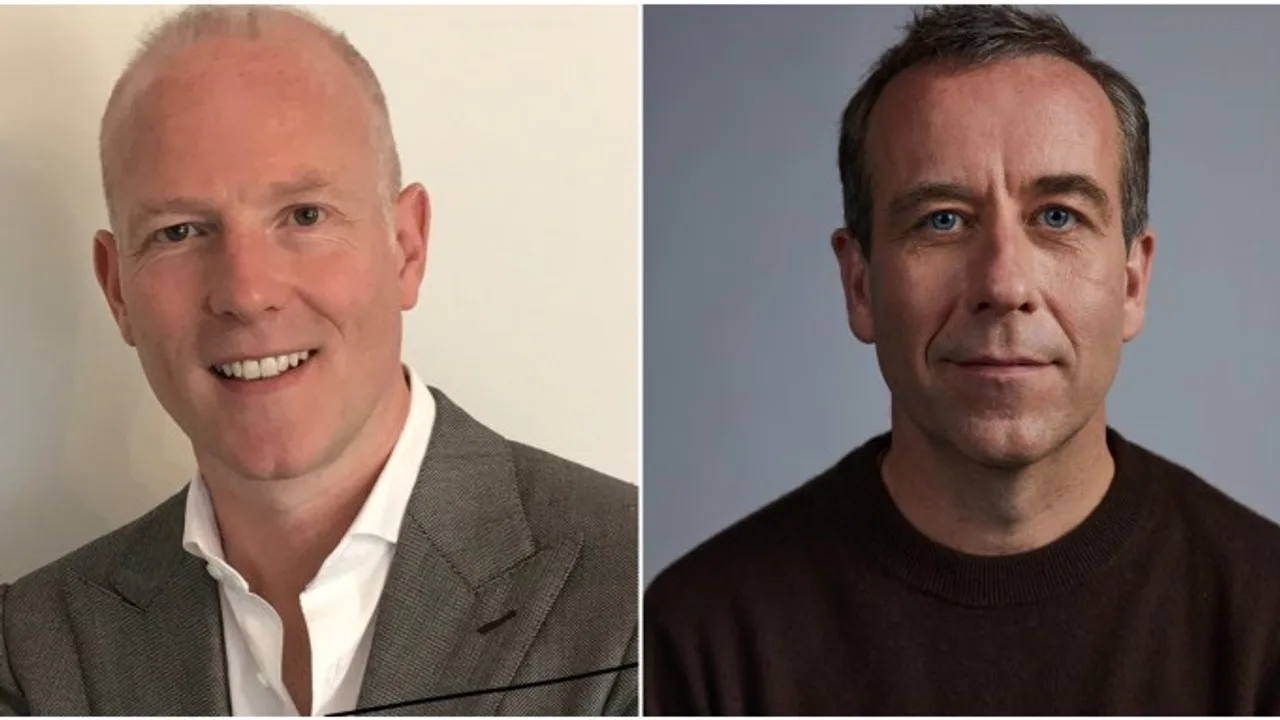
TL;DR: Former Prime Video UK Managing Director Chris Bird has launched two AI companies — HawksHead AI and CineMe AI — at the 2026 Cannes Film Festival. Co-founded with BAFTA and Emmy-nominated documentary director Dan Hartley, CineMe AI converts scripts into photo-realistic storyboards within seconds. Both platforms are designed to hand independent creators the kind of data firepower that streaming giants have hoarded for years.
What's happening: Two AI platforms debut at Cannes 2026
Fifteen. That is the number of years Chris Bird spent inside Amazon before walking out and deciding the industry he left behind needed fixing. After serving as Managing Director of Prime Video UK, Bird departed Amazon in 2025 and has spent the months since quietly building two AI-powered companies. On May 11, 2026, he chose the Cannes Film Festival as his launch pad — a deliberate statement about where he sees the future of content development playing out.
The two ventures are HawksHead AI, a predictive data analytics platform designed to forecast audience performance from as early as the script or synopsis stage, and CineMe AI, an AI-powered visual development tool co-founded with Dan Hartley, the documentary director behind the BAFTA and Emmy-nominated HBO and Sky feature David Holmes: The Boy Who Lived. Both platforms are explicitly aimed at levelling a playing field that Bird argues has been tilted toward streaming giants for far too long.
Why this matters: The data gap between studios and indie creators
Here is the uncomfortable truth the industry rarely says out loud: Netflix, Amazon, Disney, and their peers have spent billions building proprietary data infrastructure. They know, before a single frame is shot, which genres perform in which markets, which casting combinations resonate with specific demographic cohorts, and which narrative structures drive completion rates. Independent filmmakers and small production companies have had almost none of that.
That asymmetry is not a minor inconvenience. It is a structural barrier. When a British indie producer pitches a streamer, they are essentially arguing instinct against algorithm. The streamer's algorithm usually wins — or at least controls the terms of the conversation.
Bird's HawksHead AI attempts to close that gap directly. According to Deadline's reporting, the platform uses proprietary AI tools and private databases to analyse how a project is likely to perform with specific audience groups, then provides actionable guidance on adjusting scripts, casting choices, or creative direction to improve resonance. A "synthetic panel" feature lets creators simulate audience reactions to script changes and receive feedback within hours — not weeks.
The timing is pointed. The global independent film sector has been under sustained financial pressure since the pandemic, squeezed further by the 2023 Hollywood strikes and a contraction in streamer acquisition budgets. Tools that help indie creators win commissions or secure investment — by speaking the same data language as platforms — could genuinely shift outcomes. The YouTube documentary landscape has already demonstrated how AI-assisted filmmaking workflows are reshaping production timelines and budgets. Bird and Hartley are betting that the feature film and television world is next.
CineMe AI addresses a different but equally real bottleneck: pre-production visualization. Storyboarding is expensive, slow, and largely inaccessible to creators who cannot afford studio-level resources. CineMe takes a script and automatically generates photo-realistic storyboard images in seconds, enabling collaboration across departments — directors, production designers, DPs, costume designers, VFX teams — before a single location has been scouted or a single actor contracted.
Background and history: Who are Bird and Hartley
Chris Bird's credentials here are not decorative. Fifteen years at Amazon, much of it shaping the editorial and commercial direction of Prime Video UK, means he has sat in the exact rooms where data-driven commissioning decisions get made. He has watched streamers reject pitches not because the creative was weak but because the data didn't support the investment. That experience is the architecture of HawksHead AI.
Dan Hartley brings a different kind of authority. A freelance documentary filmmaker with over two decades of industry experience, Hartley directed David Holmes: The Boy Who Lived, the feature documentary about David Holmes — Daniel Radcliffe's stunt double on the Harry Potter franchise, who was left paralysed from the waist down following an accident on the set of Deathly Hallows: Part One. The film earned both BAFTA and Emmy nominations, placing Hartley firmly among the upper tier of British documentary talent.
Hartley has been candid about what drove him to co-found CineMe. He described the tool as being "born out of frustration with slow, laborious systems for getting projects off the ground," pointing to "an absence of accessible, affordable visual development tools outside of the studio system." His own experience of financial insecurity following the pandemic and the Hollywood strikes — a reality for a significant portion of the freelance production workforce — shapes CineMe's ethos directly.
To that end, Bird and Hartley have established the CineMe Future Fund, which commits 5% of the company to a charitable trust. The fund's stated goal is to provide enterprise-grade AI tools to the broader screen-based creative industries workforce, with particular attention to those most vulnerable to disruption as AI reshapes production pipelines.
CineMe is currently in beta testing, with what the founders describe as "a series of confidential, high-profile productions" already on board. Key advisors from film, technology, and investment sectors are attached and will be announced in the coming weeks.
Where to watch: OTT availability for related content
Neither HawksHead AI nor CineMe AI is a film or series — they are production tools, not streaming titles. So the "where to watch" question here is best redirected toward content connected to the people involved.
David Holmes: The Boy Who Lived, Dan Hartley's documentary, was produced for HBO and Sky. In the US, it is available on Max (HBO's streaming home). In the UK, it can be streamed via Sky Go and NOW TV. Availability in India, Spain, and other international markets varies; readers outside the US and UK should check regional HBO and Sky licensing arrangements. As of publication, it does not appear on Netflix, Disney+ Hotstar, or Apple TV+ in major markets, though this may change.
For the latest streaming availability updates across platforms and regions — including any future content produced using CineMe AI — movieott.com tracks real-time OTT listings across Netflix, Prime Video, Max, Apple TV+, Disney+ Hotstar, JioCinema, and more.
Separately, David Holmes is reportedly developing a stage play adaptation of The Boy Who Lived, as Deadline's Breaking Baz column first revealed — worth tracking for theatre audiences in the UK and US.
What viewers should know
What exactly does HawksHead AI do for filmmakers? HawksHead AI is a predictive analytics platform that analyses a script or synopsis and forecasts how a project is likely to perform with specific audience segments. It uses proprietary AI models and private databases to generate this analysis, then offers concrete recommendations — on casting, script adjustments, or creative framing — to improve a project's commercial viability before any money is spent on production.
How does CineMe AI generate storyboards, and how fast is it? CineMe takes a written script as input and automatically produces photo-realistic storyboard images in seconds. The founders say this enables immediate visual collaboration across entire production teams — directors, DPs, production designers, VFX supervisors — collapsing a process that traditionally takes days or weeks into hours.
Is CineMe AI available to use right now? As of the Cannes 2026 launch announcement, CineMe is in beta phase. A number of undisclosed high-profile productions are participating in testing. A broader public rollout timeline has not been confirmed.
What is the CineMe Future Fund? The CineMe Future Fund is a charitable trust receiving 5% of the company. Its purpose is to provide enterprise-level AI tools to freelance and independent workers in the screen industries — a group Hartley has personally identified as among the most economically exposed to AI-driven disruption.
Who is the target user for these tools? Both platforms are positioned for a wide range: from established Hollywood producers seeking to streamline pre-production, to grassroots indie creators who have never had access to studio-level data or visualization resources. Bird explicitly frames this as democratization — giving independent British filmmakers the same analytical leverage that streaming platforms have long kept internal.
Conclusion: A new phase for AI-powered filmmaking tools
The launch of HawksHead AI and CineMe AI at Cannes 2026 is not just a business story. It is a signal about where the creative industries are heading. The gap between data-rich platforms and resource-thin independents has defined the streaming era. Bird and Hartley are among the first industry insiders — with genuine platform-side experience — to build tools explicitly designed to close it.
Whether these platforms deliver on that promise will become clearer as CineMe exits beta and HawksHead begins publishing case studies. The generative VFX capabilities teased for future CineMe releases — AI-generated explosions, large-scale set pieces — suggest ambitions well beyond storyboarding.
For readers tracking the intersection of streaming, AI, and independent film, movieott.com will continue covering how tools like these reshape what gets made, and where it ends up streaming. The next wave of indie cinema may well be built on platforms like these before a single camera rolls.