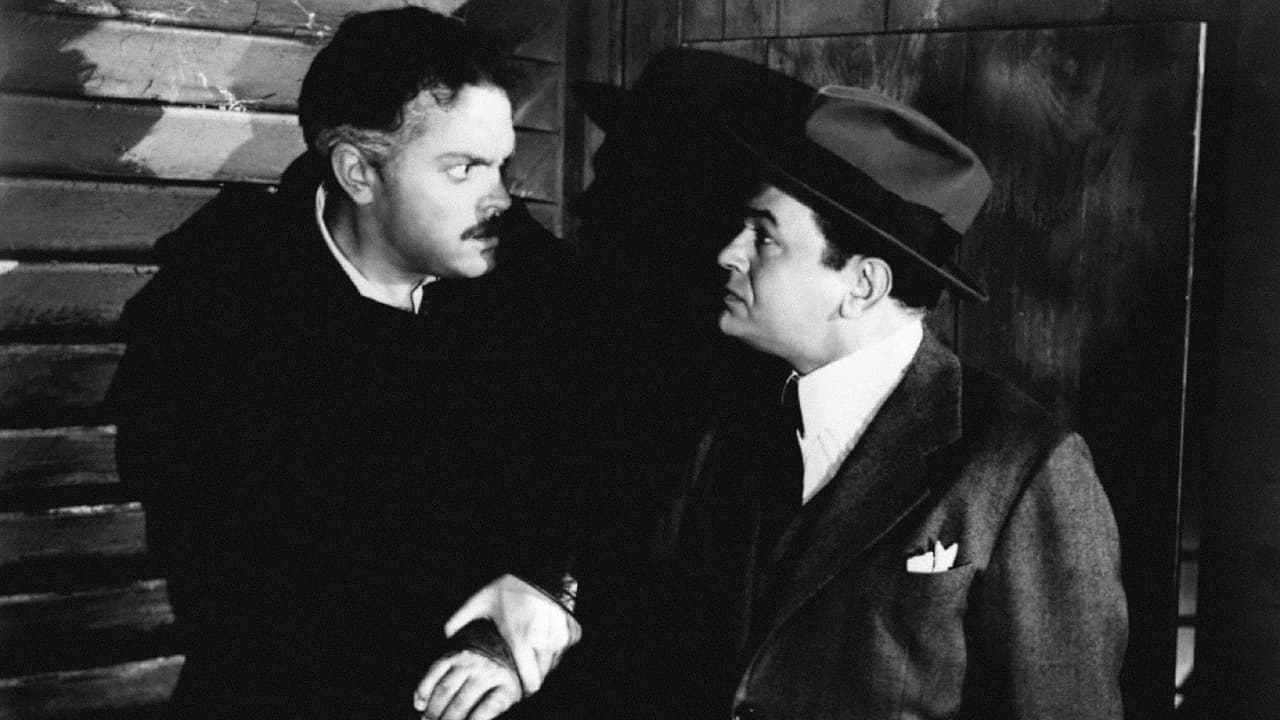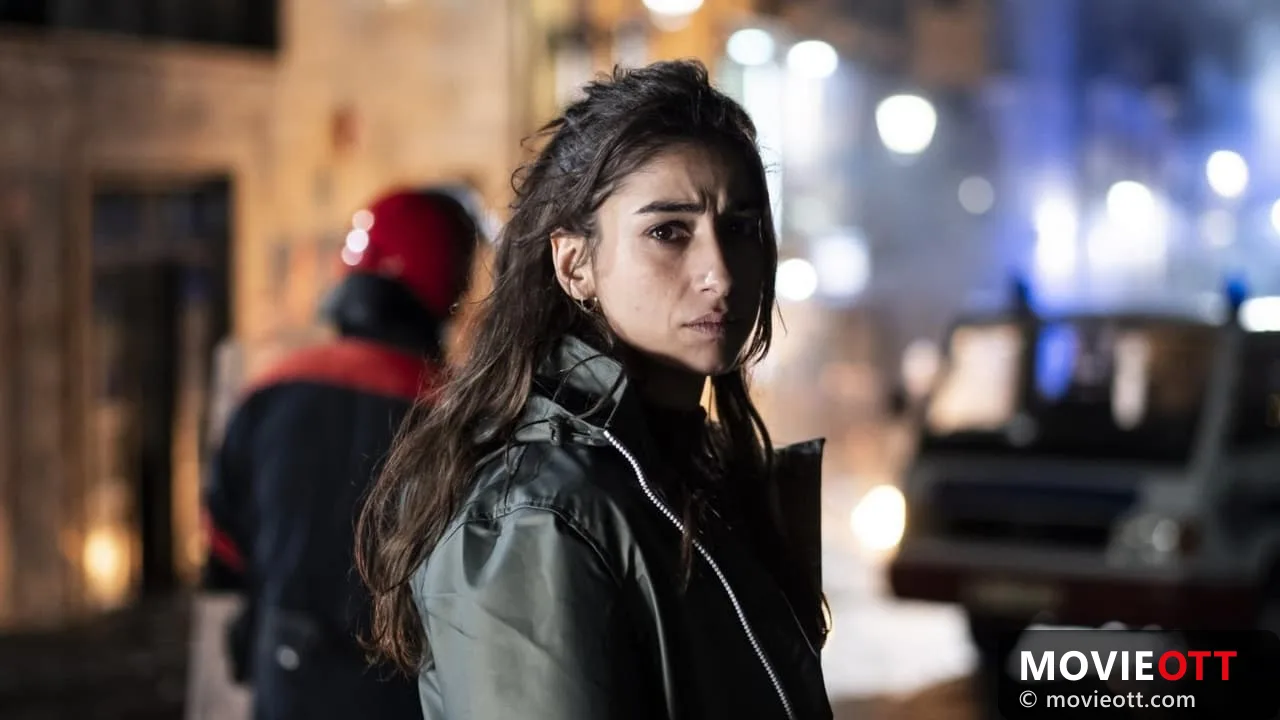
The Stranger on Netflix Is the Serial Killer Thriller You've Been Sleeping On
TL;DR: The Stranger (2022) is a slow-burn Australian true-crime thriller on Netflix with a 92% Rotten Tomatoes score. Directed by Thomas M. Wright, starring Joel Edgerton and Sean Harris, it runs 117 minutes and tells the true story of an eight-year undercover police operation. It's streaming now on Netflix globally — and if you haven't found it yet, that's a genuine oversight worth fixing this weekend.
Three years after Mindhunter vanished from Netflix without a second season, leaving millions of viewers genuinely bereft, another serial killer thriller arrived on the platform with almost no fanfare. The Stranger, released October 6, 2022, is that film. It's the kind of psychologically suffocating crime drama that deserves the same conversation Mindhunter got — and somehow hasn't.
The basic premise sounds routine. A man is suspected of murdering a child. Police construct an elaborate fake criminal organization, insert an undercover cop into his life, and try to extract a confession. Procedural. Familiar territory. Except Thomas M. Wright doesn't make a procedural. He makes something closer to a nightmare wearing a procedural's clothes. Dark cinematography. Long stretches of uncomfortable silence. A score that hums beneath every scene like something's fundamentally wrong. It is. And that's the point.
What The Stranger Actually Is (And Why the Setup Undersells It)
Director: Thomas M. Wright
Cast: Joel Edgerton, Sean Harris, Jada Alberts
Runtime: 117 minutes
Release: October 6, 2022
Platform: Netflix (global)
Rating: 92% on Rotten Tomatoes
Based on: Kate Kyriacou's non-fiction book The Sting: The Undercover Operation That Caught Daniel Morcombe's Killer
The source material is real. In 2003, a 13-year-old boy named Daniel Morcombe went missing in Queensland, Australia. For over a decade, investigators couldn't prove who took him. Then Australian police executed an operation that sounds too audacious to be true: they created a fake organized crime network, recruited an undercover detective named Mark Frame, and had him build a friendship with the prime suspect, Brett Peter Cowan, over years. The goal was to create a context where Cowan might confess to something he'd never admitted. In Australia, such confessions are admissible in court.
Wright's film uses fictional names to protect identities (the suspect becomes "Henry Teague"; the undercover cop becomes "Mark Frame"), which has the strange effect of making the story feel mythic, like it's happening in a recognizable but slightly displaced reality. It's based on true events, but it doesn't feel like a true-crime reconstruction. It feels like a fever dream someone had about guilt and proximity and the cost of understanding something monstrous.
The real Cowan was convicted in 2014. His confession, extracted during this operation, helped secure that conviction.
How the Cinematography Turns Procedure Into Psychological Horror
What separates The Stranger from every other undercover-cop thriller isn't the narrative. It's the look. Wright shoots almost everything in near-perpetual darkness, not as style but as statement. The scenes where Mark and Henry interact are lit by a dim, yellow-grey light that makes you feel like something's contaminating the frame. Your screen isn't broken. That's intentional.
The editing rhythm is deliberately off. Scenes linger. Conversations die in awkward silences. Composer Oliver Coates built a score that functions less like emotional punctuation and more like a low-frequency hum that never resolves, the sonic equivalent of knowing something terrible is in the room but not being able to locate it exactly.
Intercut with the undercover sequences are police procedural scenes bathed in harsh white fluorescence, narrated in flat documentary tones by detective Kate Rylett (Jada Alberts). The contrast is stark: institutional truth under cold light versus corrupted darkness where the real operation happens. You feel the moral difference between these spaces before you consciously register it.
What I kept thinking about: this is Zodiac-level sustained unease, but achieved differently. David Fincher accumulates detail and dread. Wright accumulates discomfort. The effect is the same.
Joel Edgerton Has Never Been Better
Edgerton's been building a reputation for two decades as one of the most committed actors working — Animal Kingdom (2010), Warrior (2011), Loving (2016) — and somehow remains criminally underrated. (He writes and directs too, which maybe fractured his actor-brand clarity, but that's another conversation.)
His performance in The Stranger is among his best work. Mark Frame is a man being slowly hollowed out by proximity to something monstrous, and Edgerton plays that erosion with extraordinary restraint. Short sentences. Averted gazes. A physical slump that mirrors how Henry carries himself, the subliminal suggestion that extended immersion in a killer's world leaves marks on the person doing the immersing. It's never stated. It doesn't need to be.
Sean Harris — the unsettling presence from Prometheus and the Mission: Impossible films — brings the same unnerving stillness to Henry. He mutters about not doing violence with the flat conviction of someone who's told himself that lie so many times it's become calcified belief. Then the facade cracks. Jagged. Alarming. Not theatrical frightening, quiet frightening. The worse kind.
According to The Sydney Morning Herald, Edgerton described the production as "investigating the truth, taking that truth and telling a fictionalized version of it, which is about protecting everyone involved." That discipline, the refusal to sensationalize, lives in every scene.
The Real Subject: What Happens When Empathy Becomes a Weapon
Most reviews frame The Stranger as a procedural with strong performances. The more interesting read is that it's a film about the cost of deploying empathy as an instrument. Most coverage of this film treats it as a true-crime curiosity; the more revealing question is why Wright chose to strip away nearly every conventional thriller payoff, making something structurally closer to Chantal Akerman's Jeanne Dielman than to The Departed. That's not a crowd-pleasing instinct. It's a confrontational one, and it explains both the critical admiration and the commercial silence.
Mark Frame doesn't just play a role. He has to genuinely understand, maybe even like, a man he believes murdered a child. Wright makes this explicit in dream sequences where Henry appears at the foot of Mark's son's bed, serene and uninvited, a contamination of the domestic space that can't be un-imagined. That image haunts the film. It's the most honest admission the movie makes: undercover work doesn't stay compartmentalized. The trauma is portable.
The confession Mark eventually extracts, which did happen in real life, resulting in Cowan's conviction, isn't triumphant. It's just the end of something that cost everyone more than they budgeted for.
Movie OTT's streaming tracker notes that The Stranger has accumulated strong word-of-mouth among subscribers who found it through the true-crime category filters, even without major marketing support.
Where to Watch in India (And Why It Matters)
Netflix India carries The Stranger as part of its global library, available since the October 2022 launch. English audio and subtitles are provided. Hindi, Tamil, or Telugu dubbed tracks haven't been confirmed, which may limit reach among viewers who prefer regional-language viewing.
The Indian true-crime audience is substantial, and more to the point, it's proven its willingness to sit with discomfort. Delhi Crime won an International Emmy in 2020 and drew an estimated 4.5 million Indian households in its first month on Netflix, per the platform's own top-ten data at the time. Kohrra (2023), another slow-paced crime series set in Punjab, cracked Netflix India's top ten within days of release despite zero theatrical marketing. The Stranger sits comfortably alongside those titles in terms of tone and ambition, even if it hasn't received equivalent marketing push in the Indian market.
Where it's available:
- Netflix India: Yes — English audio, English subtitles
- Amazon Prime Video India: No
- Disney+ Hotstar: No
- JioCinema, SonyLIV, Zee5: No
The 117-minute runtime also matters for Indian viewing habits — it's built for a single sitting, unlike multi-episode commitments that demand recurring engagement.
Why This Film Flew Under the Radar (And Why That's Frustrating)
The Stranger arrived on Netflix in October 2022 with what they call a "muted rollout," the kind of quiet release usually reserved for mid-tier acquisitions. It is not mid-tier. The 92% Rotten Tomatoes score hasn't translated into awards recognition or cultural-moment status, which remains puzzling.
Hard to say why. Netflix's content-volume problem certainly plays a role; there's so much available that even genuinely exceptional films get buried. The film also resists easy categorization. It's not a traditional thriller with clear heroes and villains. It's not a feel-good crime drama where justice feels earned. It's psychologically exhausting in ways that don't play well with algorithmic promotion.
What's more likely is that The Stranger finds its audience the way the best forgotten films usually do: one recommendation at a time. From someone who watched it alone at midnight and couldn't stop thinking about it.
If You Liked These, The Stranger Will Hit Different
If you responded to Zodiac— the obsessive procedural precision, the contamination of the investigator — you'll recognize the DNA here. Same sustained dread. Different approach.
If Prisoners unsettled you— the moral ambiguity, the question of what you're willing to do in the name of justice — The Stranger goes deeper. It's less about whether the ends justify the means and more about the human cost of deciding they do.
If you've seen The Act of Killing— Joshua Oppenheimer's documentary about executioners in Indonesia — you'll understand what The Stranger is attempting: the idea that extended proximity to evil marks everyone it touches, including the people tasked with confronting it.
What Comes Next
The Stranger isn't a franchise. No sequels. No expanded universe. No limited series spin-off. It's a closed film about a closed operation.
What it does represent is proof that Thomas M. Wright can sustain feature-length dread without relying on genre convention. The Australian film industry has produced some of the most interesting crime cinema of the past decade — Animal Kingdom, The Dry, Nitram — and Wright belongs in that conversation.
According to IMDB's production records, Wright has no confirmed next project currently in development. Which is a shame.
The Case for Watching This Week
The film is on Netflix. 117 minutes. 92% on Rotten Tomatoes. Two actors operating at the top of their abilities, directed by someone making a procedural function like psychological horror.
Watch it if you can tolerate films that don't offer resolution as catharsis, just the specific exhaustion of having spent two hours in the company of something genuinely dark. Don't watch it if you need your endings to feel earned or triumphant. This one doesn't offer that.
Movie OTT continues tracking streaming availability across Netflix, Prime Video, and regional Indian platforms as licensing windows shift. For the most current where-to-watch data, check there.