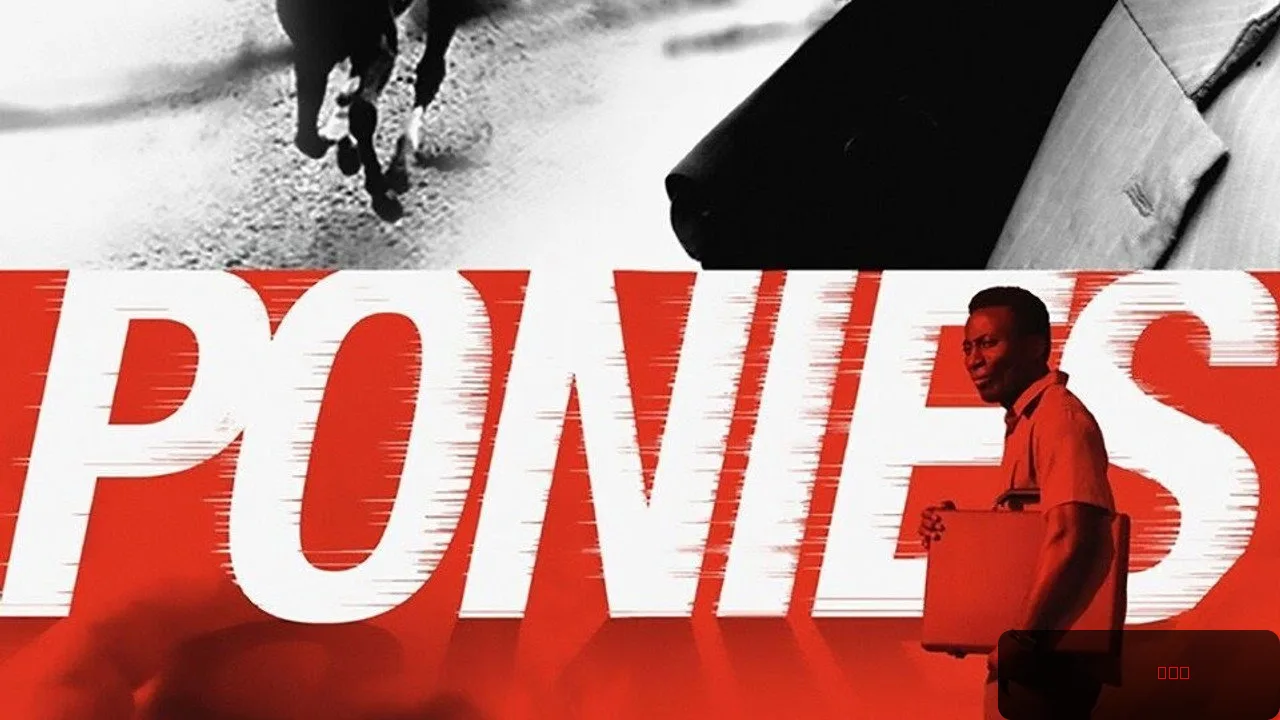
Ponies on Peacock: What the Production Design Does That the Script Can't
TL;DR: Peacock's new spy comedy Ponies stars Emilia Clarke and Haley Lu Richardson as CIA operatives in 1970s Moscow. The show's real secret isn't the plot — it's how the production designer used actual Soviet-era buildings (shot in Budapest before demolition) to do the character work for the actors. Here's what you need to know before you stream.
Emilia Clarke walks onto set. She stops needing to act.
That's the moment production designer Sara K. White was chasing when she built the world of Ponies. And it's the kind of thing you don't think about until someone explains it — then you can't unsee it.
Ponies, Peacock's new spy comedy about two underqualified CIA operatives dropped into Cold War Moscow, premiered to a panel discussion where the cast and creative team broke down exactly how they made a fictional 1970s Soviet state feel real enough that the actors could just... exist in it. Not perform. Exist.
Showrunner David Iserson, directors Susanna Fogel, Viet Nguyen, and Ally Pankiw, production designer Sara K. White, and stars Clarke and Richardson sat down for a USG University panel (produced in partnership with Universal Studio Group and the Motion Picture & Television Fund) and what they said about craft matters more than the usual behind-the-scenes chatter. They were talking about how design functions as performance infrastructure.
The one thing that separates Ponies from every other Cold War thriller
Most period spy shows treat production design like set dressing. Ponies treats it like a character.
Fogel's directing approach was built on a specific principle: move the camera to reveal what the characters feel, not just what they do. Zooms. Split-screens. But nothing decorative. Everything tied to emotional state. That's harder than it sounds. Split-screens especially are a 1970s visual signature that can collapse into pure affectation, a wink at the audience instead of a storytelling tool. The fact that Ponies uses them and keeps the focus on Clarke and Richardson is the more impressive achievement.
Clarke put this plainly in the panel: "The sets were just next level. You're getting to grips with the character, you're doing your work... and then you walk on set, and it's done for you. They did it already. It's here."
What's striking is how rarely actors actually articulate something useful about craft in promotional contexts. She's not complimenting the art department. She's describing infrastructure. The set completes the character work.
Richardson made the same point differently: "When something's so good and so right, it just transports you. You can almost take it for granted as an actor, but it is so crucial." She contrasted this with auditioning, where you have to make it all up in your brain. Here, it was real. Tangible. Accurate. That changes everything about how an actor can work.
Why Budapest's dying buildings became the show's secret weapon
White described the Budapest shoot in terms you don't usually hear in production design interviews. The crew was "running ahead of the wrecking ball," shooting in buildings scheduled for demolition. Capturing Soviet-era and prewar architecture that no longer exists in the same form.
This wasn't metaphorical. Budapest's District VIII alone lost over a dozen Soviet-era institutional buildings between 2021 and 2024, according to Hungarian preservation groups tracking demolitions in the Corvin Quarter redevelopment zone. The Ponies production was working in real locations, at actual risk of losing them mid-shoot if demolition crews moved faster than expected. The practical result: production design that didn't need to manufacture the feeling of age and institutional weight. It was already there, embedded in actual walls that had been standing since the Cold War.
That detail matters because it explains something specific about how actors respond to authenticity (something you can't fake with flats and paint). They can feel it. Not consciously. But they feel it. And when you're trying to play someone underqualified and terrified in a foreign intelligence operation, having the actual weight of history in the room changes your performance. You don't have to pretend anymore. The space does half the work.
Who's in Ponies and what you're actually watching
Emilia Clarke, Daenerys Targaryen across eight seasons of Game of Thrones (2011–2019), plays Bea. She's been strategic about post-Thrones roles, and this is a deliberate pivot toward comedy. She's been signaling interest in comedy work publicly for years. This is where that lands.
Haley Lu Richardson, known for The White Lotus Season 1, Five Feet Apart, and Columbus (2017), plays Twila. She's built a career by picking projects that require her to do something uncomfortable. She's just been nominated for a 2026 Gotham TV Award for Outstanding Supporting Performance in a Comedy Series for this role. The Gotham Awards have a track record of identifying television performances before Emmy voters do.
The premise is straightforward: two newly recruited CIA operatives are thrown into 1970s Soviet Moscow and asked to function as spies despite being, by most professional measures, wildly unqualified. Think The Americans if it were written by someone who found the situation genuinely funny rather than relentlessly grim.
Created by: David Iserson (SNL, Mulaney) and Susanna Fogel (The Spy Who Dumped Me, 2022)
Where to stream: Peacock (US exclusive)
Status: Season 1 available now
The actual stakes: what happens to shows like this
Here's what I keep thinking about: Ponies got a Gotham nomination but hasn't gotten a Season 2 renewal announcement yet. That's not unusual for a new Peacock show, the streamer has been slower to greenlight second seasons than it used to be. But it's also the moment that matters most for a show's actual future.
Gotham nominations typically precede Emmy consideration. If Ponies builds momentum through spring and summer, expect it to land on Emmy longlist conversations by July. That's the natural beat for a show like this: genre comedy with serious craft underneath gets identified by below-the-line awards voters first, then critics catch up, then audience interest follows.
Most coverage frames Ponies as a quirky spy comedy with a strong cast; the more interesting question is whether Peacock, which has yet to produce a breakout original comedy on the scale of what Hulu did with Only Murders in the Building or what Apple TV+ managed with Ted Lasso, can use a show this well-crafted as the thing that finally changes that pattern. The streamer's comedy slate has been respectable but anonymous. Ponies is the first Peacock original to earn a Gotham TV nomination in a comedy category. That should mean something internally.
But here's the catch: Peacock hasn't announced international distribution partners yet. A show that's only available in the US has a ceiling on its audience. Compare that to The Americans, which built a global viewership on FX and eventually benefited from international streaming deals that made a late-series renewal possible when domestic ratings dipped. Ponies doesn't have that yet.
Movie OTT's streaming tracker keeps current on where shows land in different regions, worth checking back on as any international deals get announced.
Where to actually watch it (and what to know about availability)
In the US: Peacock, streaming now. That's the only official option at launch.
Outside the US: This is where it gets murky. Peacock doesn't operate as a standalone service in most markets. No official announcement has been made yet about where Ponies lands on Netflix, Prime Video, Disney+, or other platforms internationally. Given Universal Television's distribution history, Prime Video remains a plausible landing spot eventually, but that's educated guessing, not confirmed fact.
In India specifically: No confirmed OTT home as of now. No regional language dubbing (Hindi, Tamil, Telugu) announced either. The show's tone, dry American spy comedy with a 1970s Soviet setting, should travel well internationally based on how The Americans and Fleabag played globally. And Emilia Clarke's name-recognition from Game of Thrones, which had enormous viewership on Hotstar, could matter in the Indian market.
Check Movie OTT for real-time updates on where the show lands in your region. These deals move fast once they're finalized, and tracking them through a dedicated source beats checking each platform individually.
What actually happens next — and why it matters
Haley Lu Richardson's Gotham nomination keeps the show in the awards conversation through spring. That nomination is real signal, not just industry noise. The Gotham Awards have a track record of identifying performances before bigger awards bodies do.
Sara K. White's production design is already drawing attention in craft circles. That kind of recognition tends to translate into below-the-line awards attention: cinematography, production design, costume categories. Those victories don't drive viewership directly, but they build prestige, and prestige is what Peacock leans on for renewal decisions on shows like this.
Clarke and Richardson are both doing press. That signals Peacock is still in active promotional mode rather than coasting on the initial launch. The streamer hasn't abandoned this show yet. Not even close.
The real question is whether Ponies finds international distribution partners quickly enough to build cross-market audience momentum. That's what makes the difference between a one-season show and a franchise. Right now, that's still being written.
The thing nobody mentions about production design
What's worth holding onto from this whole panel discussion is something most viewers never think about: the sets aren't backdrop. They're infrastructure. They're the thing that lets actors stop performing and start existing.
Sara K. White ran ahead of wrecking balls in Budapest. Susanna Fogel built a camera language that reveals emotional states. David Iserson wrote characters who are fundamentally out of their depth. But none of that matters if the actor walks onto set and has to pretend. The second Clarke stepped into those Budapest buildings, something shifted. The work was already done for her.
That's craft. And it's the kind of craft that survives on Peacock or eventually on Movie OTT's platform tracking or wherever else Ponies eventually lives. Good production design doesn't expire. It just waits for the right audience to see it.