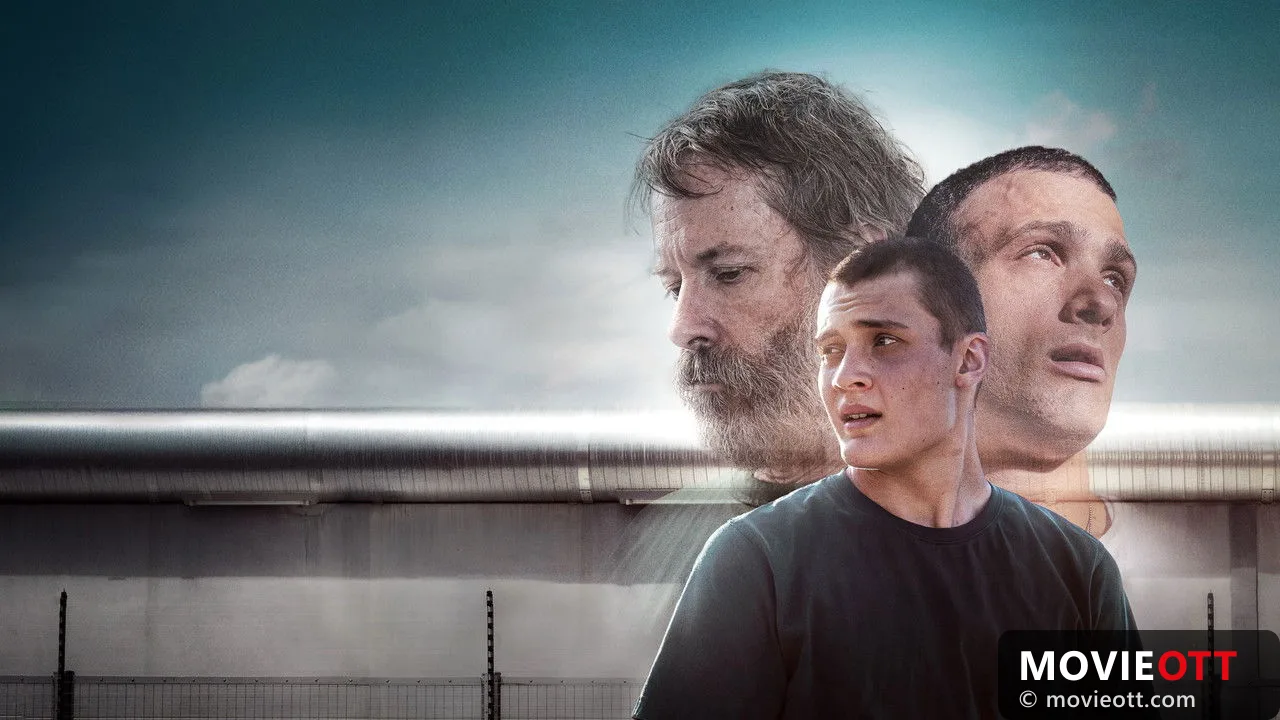
The Healing Power of Cinematherapy: How Movies Can Boost Your Mental Health
In a world where stress is often unavoidable, could your favorite films be the antidote? Here's how watching movies might just be the mental health boost you didn't know you needed.
When Jennifer Torres first moved to Florida, she didn't expect to find solace in rewatching films like "Inside Out" and "Groundhog Day." But after a grueling week at work, she found herself drawn to these familiar stories, seeking comfort and an escape from reality. It wasn't long before she realized this wasn't just about entertainment—it was about mental health. Her newfound hobby even had a name: cinematherapy.
Cinematherapy: A Modern Mental Health Tool
Cinematherapy is gaining traction as an innovative approach to mental health. The concept involves using movies as therapeutic tools to process emotions in a safe space. This isn't just a fringe treatment; it's backed by research that shows watching films can significantly boost mood, reduce stress, and offer an emotional release.
Movies provide several mental health benefits:
- They can reduce depression symptoms and lower cortisol levels.
- Films boost emotional intelligence and social connectivity.
- Watching movies offers a mindfulness-like experience, providing focused immersion that helps reduce anxiety.
According to Psych Central, these benefits aren't just hypotheticals. Watching movies actively engages the brain, increasing creativity and keeping cognitive functions sharp.
The Science and Art Behind Mental Health Films
The magic of movies lies in their ability to transport us into worlds of imagination and empathy. They help us process complex emotions and offer perspectives we might not have considered. Imagine being entrenched in the repetitive loop of life, only to see Bill Murray break free in "Groundhog Day." It's not just a plot—it's a reflection of our own struggles with routine.
The therapeutic impact of movies isn't limited to fiction. Some individuals find solace in films that mirror their personal challenges. For example, overcoming grief might resonate through "The Fault in Our Stars," while "The Pursuit of Happyness" can inspire those facing career setbacks.
Peter Watson, a proponent of cinematherapy, notes that rewatching familiar films can serve as an "emotional anchor." He says, "When you return to these stories, your body remembers." If a movie helped you through a tough time before, it might do so again.
What Therapists Are Saying
Therapists like Wendy Hixon advocate for cinematherapy, highlighting its profound impact on emotional recovery. "It’s more than just watching a movie," Hixon explains. "The characters, the story—they leave an imprint that can aid in healing and emotional resilience."
Her insights align with the findings from Covenant House, which emphasize how films can guide viewers through emotional complexities, providing comfort and often a way forward.
How Movies Are Finding a Place in Indian Homes
In India, the concept of cinematherapy is slowly gaining momentum. With platforms like Amazon Prime Video and Netflix providing a vast library of films, Indian audiences have easy access to a variety of therapeutic movies. Whether it’s a Bollywood classic or an international favorite, viewers are finding ways to incorporate films into their self-care routines.
For Indian audiences, OTT platforms are more than just a source of entertainment. They're a means to explore different cultures, stories, and emotional landscapes. With films available in multiple languages and subtitles, the reach and impact of cinematherapy are expanding.
The Legacy of Cinematherapy in Film History
Cinematherapy may be a modern term, but the concept isn't new. Over the years, filmmakers have used storytelling to explore human emotions, challenges, and triumphs. Directors like Steven Spielberg and Christopher Nolan have crafted narratives that delve into the depths of human experience.
Films such as "Schindler's List" and "Inception" have left lasting impressions on audiences, prompting introspection and discussions. These films, celebrated for their depth and storytelling, have likely provided therapeutic experiences for many.
Watch the official trailer:

What's Next for Cinematherapy?
As cinematherapy continues to gain recognition, its role in mental health practices is likely to grow. More therapists are incorporating films into their treatment plans, using the power of narrative to aid emotional recovery. And with streaming platforms like Movie OTT's where-to-watch tracker, finding the right film has never been easier.
For those exploring cinematherapy, the key is to find movies that resonate with you personally. Whether it’s for laughter, tears, or inspiration, there's a film out there that can offer the exact support you need.