Ken Loach's Sixteen Films Backs Afghan Space Doc Forgotten Spaceman — Why This Matters for a Prestige Short
TL;DR: Ken Loach's production company has attached itself to Forgotten Spaceman*, a documentary short by BAFTA-nominated director Elham Ehsas about Abdul Ahad Momand, Afghanistan's sole cosmonaut who traveled to the Mir space station in August 1988. Festival debut expected late 2025. No streaming deal confirmed yet, but this is a calculated prestige-short acquisition — the kind that builds award momentum before landing on major platforms.*
Ken Loach and Rebecca O'Brien's Sixteen Films don't attach to projects for the paycheck. There isn't one in short-form documentary. They attach to control the conversation around stories worth telling. And Forgotten Spaceman — directed, written, and edited by Elham Ehsas — is exactly the kind of film that signals a deeper play: prestige positioning, festival momentum, eventual streaming placement.
Here's what you need to know: Ehsas directed Yellow, which earned a BAFTA nomination in 2024. His follow-up, There Will Come Soft Rains, won Best Film at both Raindance and Encounters — two of the UK's most credible short-film circuits. That's a two-for-two track record on awards recognition. When a filmmaker hits that pattern, the next project becomes an asset, not just a film.
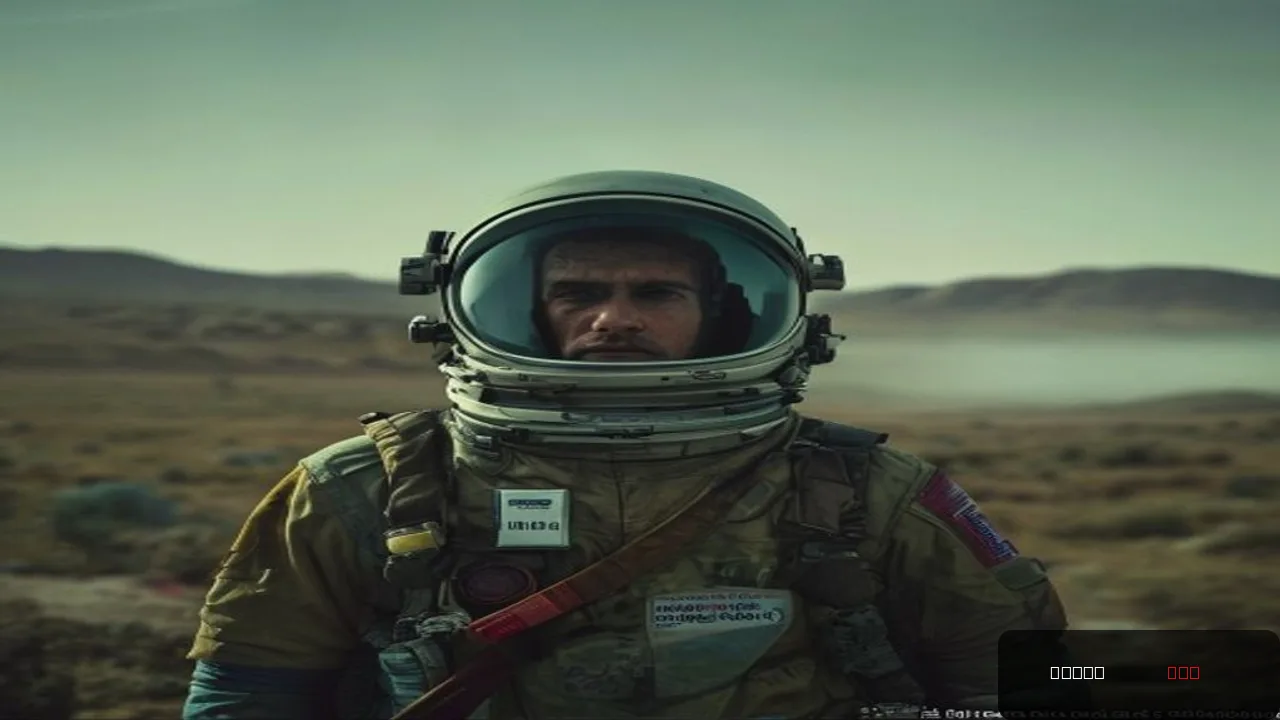
The subject is Abdul Ahad Momand, who in August 1988 became the first Afghan national to reach space, docking with the Soviet Mir space station for just over nine days as part of the USSR's Intercosmos programme. Back on Earth, Afghanistan was fracturing under Soviet withdrawal and civil conflict. Momand's achievement was buried by history within months. Forgotten. Ehsas isn't just excavating that story — he's weaving his own identity as an Afghan-British filmmaker directly into it, which is what separates this from a straightforward biography.
Why Sixteen Films Sees Awards Potential in a Nine-Day Mission from 1988
Short documentaries don't generate theatrical box office. The commercial logic here is entirely about festival leverage and downstream streaming placement.
Compare this trajectory to The Queen of Basketball (Ben Proudfoot, 2021), which won the Academy Award for Best Documentary Short after accumulating exactly the kind of festival momentum Forgotten Spaceman is positioned to chase. That film subsequently landed on The New York Times' Op-Docs platform, generating audience reach no theatrical short could achieve independently. MUBI and Netflix have both become aggressive acquirers of Oscar-eligible shorts in the 18 months before the Academy's qualifying window closes. Proudfoot's film ran roughly 22 minutes and cost a fraction of a feature doc's budget, yet it drove more Op-Docs traffic than any piece that year — proof that the ROI math on prestige shorts is asymmetric in a way most coverage ignores.
A film with Sixteen Films attached, directed by a BAFTA-nominated Afghan-British filmmaker, about Cold War space history and collective erasure? That's not a hard pitch to a documentary acquisitions team. The thing nobody mentions in prestige short coverage is that awards don't drive the acquisition — they justify it after the fact.
Most trade write-ups will frame this as a feel-good discovery story: lost cosmonaut, young filmmaker, legendary production house. The more revealing read is structural. This is Sixteen Films' first attachment to a short documentary in years, and it comes at a moment when the Academy's documentary short branch has expanded its voting body by nearly 40% since 2020, making the category more competitive and — crucially — more visible to streamers shopping for low-cost, high-prestige catalog titles. That's the business case. Not sentiment.
Movie OTT tracks streaming availability for award-eligible documentaries across all major platforms as distribution news breaks, and Forgotten Spaceman will likely surface there the moment a platform deal closes.
What the Production Team Actually Said — and What It Reveals
Two statements came out alongside Variety's announcement. They're worth reading carefully because they show how each party is positioning the film for awards season.
Ehsas: "I'm incredibly honored to have Sixteen Films supporting Forgotten Spaceman. They have built a legacy of telling deeply human stories that too often go unseen, so their belief in this film means a great deal to me."
Jack Thomas-O'Brien, executive producer for Sixteen Films, went more specific: "Forgotten Spaceman is a deeply moving film about memory, identity and the histories that risk being lost. Elham is an exceptional filmmaker with a distinctive voice, and we were immediately drawn to both the extraordinary true story at the heart of the project and the humanity and sensitivity with which he approaches it."
Notice what Thomas-O'Brien actually emphasized: "memory, identity and the histories that risk being lost." That's not accidental phrasing — that's the film's awards-circuit logline. It positions Forgotten Spaceman alongside a specific tradition of documentary shorts treating individual stories as proxies for collective erasure (think Flee, 2021, which crossed from short-form roots to three Oscar nominations across multiple categories).
The Confirmed Production Details
Director: Elham Ehsas (BAFTA-nominated, Oscar-shortlisted for previous work)
Production company: MonoFilm Productions
Executive producers: Jack Thomas-O'Brien (Sixteen Films) and Catherine Tschaepe
Producer: Lorraine Bhattachary
Format: Documentary short
Subject: Abdul Ahad Momand, Afghanistan's sole cosmonaut
Festival debut: Expected late 2025 (specific festival not yet announced)
Streaming availability: Not yet confirmed
Runtime: Not yet publicly confirmed
Why This Story Matters Now — Especially in South Asia
Here's where the story gets genuinely interesting from a regional perspective. Momand's 1988 space mission was covered in Indian media at the time — the Indo-Soviet relationship meant Doordarshan carried updates on the Intercosmos programme — but it's essentially vanished from South Asian cultural memory alongside Afghanistan's collapse as a nation-state.
For Indian audiences, the more relevant comp isn't a Western space doc — it's All That Breathes (Shaunak Sen, 2022), which proved that a South Asian documentary with festival pedigree (Grand Prix at Cannes, Oscar-nominated) can land on HBO Max internationally and generate real viewership numbers in India via local platforms. That film's success showed there's appetite at the intersection of regional identity and global distribution, which is precisely where Forgotten Spaceman sits. The Afghan refugee diaspora in India numbers in the tens of thousands, concentrated largely in Delhi, and stories of Afghan cultural heritage carry specific weight in that community (though it's worth noting that Ehsas's personal lens here might land more deeply with the UK's South Asian diaspora than in India proper).
Streaming availability for Forgotten Spaceman in India hasn't been announced. When it does surface, the most likely platforms would be:
- MUBI India (the platform's focus on international short-form and arthouse content makes it the natural home)
- Netflix India (if the film achieves Oscar shortlisting, Netflix's documentary team has a track record of acquiring eligible shorts)
- SonyLIV (possible, given their expanded documentary slate in 2024-25)
- Prime Video India (less likely, but possible as part of a broader international package)
Keep an eye on Movie OTT's India streaming tracker — they'll flag the moment Forgotten Spaceman surfaces on any regional service.
What Happens Next: Three Developments to Watch
First: The festival premiere announcement. Encounters, Raindance, and Sheffield DocFest are the most logical UK entry points given Ehsas's existing relationships. An international premiere at Sundance or IDFA would signal more aggressive awards positioning.
Second: Ehsas's feature debut. Our Kind of Love is currently in development with the BFI, which means it's past development funding and into active pre-production. If Forgotten Spaceman hits the BAFTA or Oscar shortlist, the BFI will likely accelerate that timeline. That's how the short-to-feature pipeline actually works in British independent cinema — awards on the short side unlock financing on the feature side.
Third: Any streaming announcement. A MUBI acquisition means prestige-only play. A Netflix deal means they're betting on awards momentum driving subscriber engagement. Hard to say whether a platform deal closes before or after the festival run, but expect a deliberate, controlled release strategy given Sixteen Films' involvement. That's their style — they don't rush prestige projects to market.
The Bottom Line
Forgotten Spaceman is targeting a festival debut in late 2025. No specific festival confirmed yet. No streaming platform confirmed yet. What's locked in: Sixteen Films is attached, Ehsas is directing, and a story about Afghanistan's sole cosmonaut — buried under 37 years of geopolitical upheaval — finally has the institutional backing to reach audiences beyond the festival circuit.
This is the most commercially intelligent short documentary attachment Sixteen Films has made in years. Awards follow attention. Attention follows stories nobody else is telling. Momand's qualifies.
Sources
- Variety — Ken Loach's Sixteen Films boards Elham Ehsas' Afghan space doc 'Forgotten Spaceman' (EXCLUSIVE)
- BFI Statistical Yearbook (production budget data and funding guidelines)
- Previous coverage of Elham Ehsas' shorts: Yellow (2023, BAFTA-nominated) and There Will Come Soft Rains (Raindance/Encounters winner)