Iron Boy Arrives at Cannes: How a Hand-Drawn French Film Challenged the Festival's Animation Bias
TL;DR: Louis Clichy's Iron Boy premiered in Un Certain Regard at Cannes 2026—a first for animation in that competitive section. The hand-drawn film follows a rural French boy forced into an iron corset, discovering music and friendship instead of his father's farm. No global streaming deal yet, but Playtime's international sales and Variety's strong reception suggest that'll change within weeks.
A hand-drawn animation film just screened in Un Certain Regard. That's not hyperbole—it's a first. Not a sidebar category, not "animation special showcase." The actual competitive section where Cannes takes adult cinema seriously. Variety called it "both visually dazzling and deeply personal," which isn't marketing copy. That's a trade publication staking credibility on a sentence.
Louis Clichy didn't just bring a cartoon to the Croisette. He brought a frame-by-frame argument that animation belongs at the grown-up table.
What Actually Happens in Iron Boy
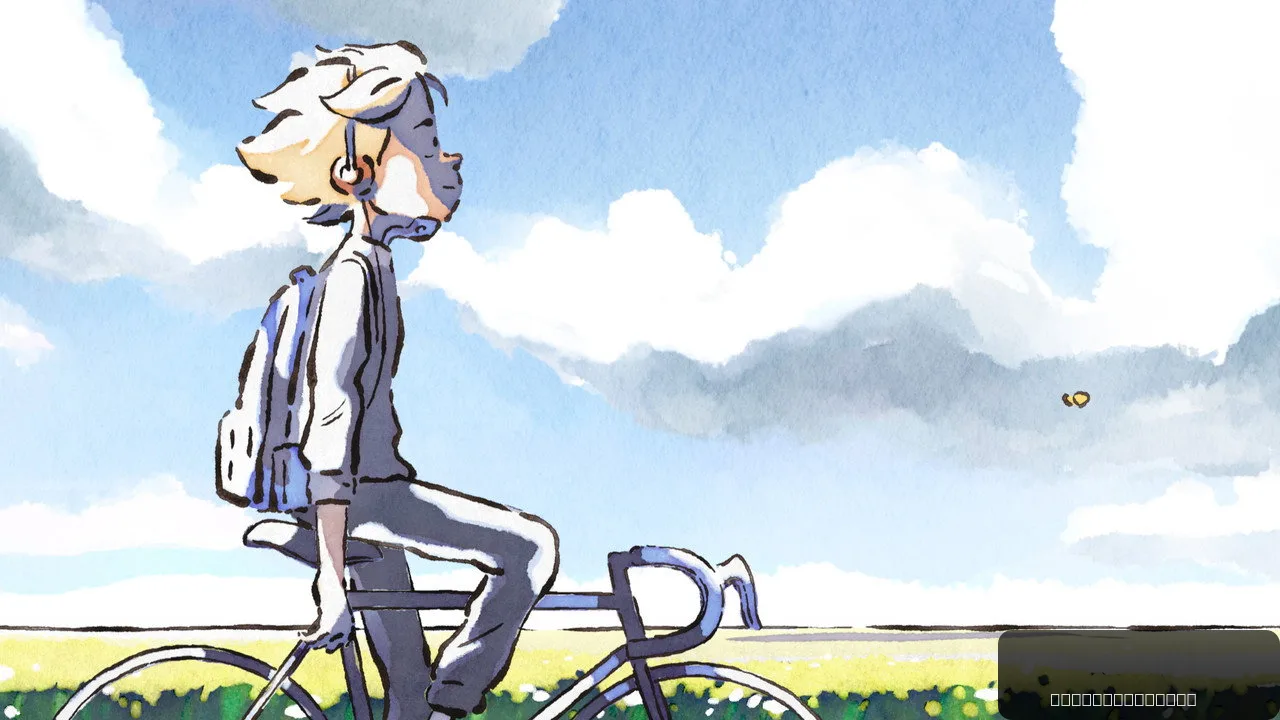
Ten-year-old Christophe lives on a farm in rural France, trying to reach a father who's rigid, emotionally distant, and unmoved by anything Christophe does. Then the boy starts collapsing without warning. On the tractor. At school. At dinner. A doctor's diagnosis: wear an iron corset to keep your spine upright.
That corset becomes the story's turning point. Pulled away from the farm, Christophe discovers music. He meets a teacher who actually pays attention to him. He finds a friend and gets into trouble for the first time. But none of it fixes what's fundamentally out of balance between him and his father.
Key details:
- Director: Louis Clichy
- Production: Eddy Cinéma, Beside Productions, Regular Production
- Sales agent: Playtime
- World premiere: Un Certain Regard, Cannes Film Festival, May 2026
- Style: Traditional hand-drawn animation
- Runtime & regional releases: Not yet publicly confirmed
Movie OTT is tracking global streaming availability as distribution deals announce—check back for Netflix, Prime Video, and regional platform confirmations.
Why Clichy Ditched CGI (After Two Asterix Blockbusters)
Here's what makes the technical choice significant: Clichy directed two Asterix films using full CGI pipelines. The Mansion of the Gods (2014) and The Secret of the Magic Potion (2018) both grossed over $65 million worldwide. He had studio money, render farms, procedural hair systems, the works.
For Iron Boy, he went back to frame-by-frame traditional animation.
That's not budget necessity. It's deliberate creative provocation. Hand-drawn forces precision; there's no topology to hide behind, no simulation algorithm to fake an expression. Every gesture is a choice. Clichy told Variety: "Everything was a bit rough. It allowed me to be spontaneous." That roughness matches the story's emotional register: unpolished, imperfect, occasionally tilted off-balance, like Christophe himself.
What most coverage of this film misses: Clichy isn't simply paying homage to hand-drawn tradition. He's the first director to move from a $30-million-plus CGI franchise to hand-drawn for a Cannes competition title. That's not nostalgia. That's a career bet that says the industry's technical escalation has become its own trap.
He cited Hayao Miyazaki as direct inspiration, which tells you where he's aiming. Studio Ghibli proved across Spirited Away, Grave of the Fireflies, and The Wind Rises that hand-drawn animation can carry full adult weight. Rural hardship, grief, moral ambiguity. Iron Boy is working in that exact tradition.
The Risk Clichy Actually Took (and Why It Matters)
Clichy grew up in rural France before moving to the city at 11 when his parents divorced. Iron Boy is partly autobiographical, which is the kind of material that turns into either brilliant specificity or self-indulgent navel-gazing depending on execution. Screenwriter Franck Salomé helped shape the story so it doesn't feel like memoir. It feels like cinema.
But here's the risk that actually matters: Clichy refused the underdog-triumph arc.
Listen to what he said about Christophe's relationship with music: "I'm not sure if this boy is actually a good musician. I didn't want him to play in a big concert or win a competition à la Billy Elliot. He's not Mozart, you know. He just likes this teacher and appreciates their time together."
That's the quote that stuck with me. Most coming-of-age films, animated or live-action, can't resist making the kid exceptional. A prodigy. Someone destined for stages. Clichy deliberately made Christophe ordinary. He likes an instrument. He meets an adult who pays attention. That's the whole arc. No redemption concert. No standing ovation. Just a boy learning that being seen matters more than being special.
Harder to pull off than any spectacle.
What Clichy Said About Animation's Prestige Problem
"For us animators, Cannes is a foreign world," Clichy told Variety. "There's way more ego around. Also, there are still all these stereotypes about what animation is—like it being 'over the top' or just for children. But we can do subtle stuff too, because animators are really good actors."
He's right. And the numbers back up the bias he's describing. Since Un Certain Regard launched in 1978, zero animated features had been selected for competition before Iron Boy. The main Competition section has admitted exactly one animated film in the last decade (Claude Barras's Sauvages in 2025, which itself was treated as an anomaly). Cannes has screened animation in out-of-competition slots and midnight sidebars, but the competitive sections have functioned, for nearly half a century, as live-action-only territory. Clichy didn't just get invited. He broke a structural pattern.
Where You Can Actually Watch It (And When)
Right now: nowhere confirmed globally. That's not unusual. Cannes Un Certain Regard titles typically take three to six months to close distribution deals after festival buzz generates buyer interest.
Most likely Indian streaming homes:
- Netflix India — has acquired French animated and art-house titles before; strongest probability given Playtime's distribution relationships
- MUBI India — solid track record with festival animation and auteur cinema
- Amazon Prime Video India — possible but less likely given current content focus
- Disney+ Hotstar, SonyLIV, ZEE5 — unlikely based on their catalog patterns
Hindi or regional dubbing isn't confirmed. The default will be French-language with English subtitles for Indian release. Movie OTT's streaming tracker will update the moment any Indian platform confirms acquisition—worth bookmarking if you're tracking this.
For international audiences: Watch for a North American distributor announcement in the weeks after Cannes, a potential TIFF screening in September to build English-language critical momentum, and whether any major streaming platform attaches itself before theatrical release (a signal of genuine crossover confidence).
Should You Actually Watch This
Yes—if you watched Wolfwalkers, The Breadwinner, or My Life as a Zucchini and wanted more of that. Animation that takes childhood seriously without softening its edges. That respects the audience's intelligence.
Iron Boy isn't for everyone. There's no spectacle, no franchise mythology, no arc where everything resolves at the finale. What it has instead: a boy in an iron corset, a church organ that Clichy studied for months because he didn't want to fake the details, and a director working in the tradition of Miyazaki (which is to say, animation as literature).
The specificity shows. That's what separates it from a dozen films it could have been.
What Happens Next
Whether Iron Boy becomes the animated film that finally cracks the prestige-festival ceiling is hard to say. But it's the most credible attempt in years. Watch for festival circuit momentum through September, then watch to see which streaming platform decides animation at Cannes is worth backing.
The bigger question: does a hand-drawn French film without major studio backing actually convert Cannes prestige into awards recognition? The Oscars' Best Animated Feature category has been dominated by American studio productions, with rare breakthroughs from Ghibli and European co-productions. An underdog path, definitely. But that Variety review, that Un Certain Regard premiere, that's the kind of credential that changes perception.
Not immediately. But momentum builds.