Mārama: A Haunting Exploration of Māori Identity and Colonial Legacy
Taratoa Stappard's debut film, Mārama, recently clinched the top prize at the Seattle International Film Festival. This gothic horror film, which premiered at Fantastic Fest 2025, weaves a chilling tale of supernatural revenge and historical trauma, centered on the experiences of a Māori woman navigating the dark shadows of 19th-century colonialism.
Stappard's work does more than just entertain; it forces us to confront the unsettling realities of New Zealand's history. As audiences celebrated at the festival, buzz around Mārama suggested that this film marks a significant entry point for Māori narratives in cinema.
What You Need to Know About Mārama
Here's the essential scoop:
- Director/Writer: Taratoa Stappard
- Stars: Ariāna Osborne, Toby Stephens, Evelyn Towersey
- Runtime: 89 minutes
- Release Date: Premiered on September 28, 2025, at Fantastic Fest
- Where to Watch: Soon available on platforms like Movie OTT
Why This Film Stands Out
Mārama is not your average horror flick. It fuses gothic elements with a poignant historical narrative, diving deep into themes of colonization and cultural identity. "A mystery as miraculously sensitive as it is cathartic," IndieWire claims. The film doesn't merely aim to frighten; it encourages viewers to grapple with the legacies of trauma and oppression.
A Talented Cast
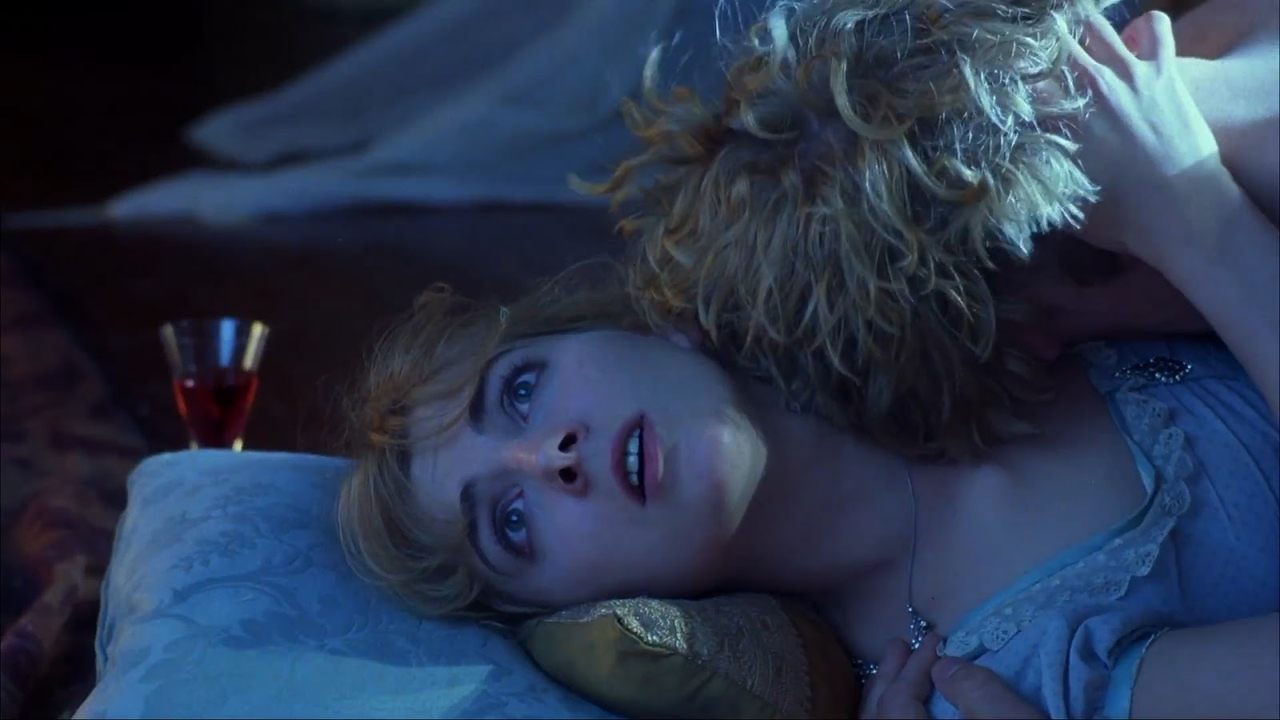
Stappard has assembled a remarkable cast, led by Ariāna Osborne as Mary, a young Māori woman drawn into a haunting saga within a mysterious Yorkshire manor. Her ability to embody both Mary and her twin sister, Emilia (or Te Haeata), showcases her range and brings emotional depth to the narrative. Toby Stephens plays Nathaniel Cole, an antagonist whose complex nature heightens the film's tension. Alongside Evelyn Towersey and Umi Myers, the cast builds a rich emotional landscape that enhances the story's urgency.
Deep Historical Roots Influencing the Narrative
Mārama intricately ties its narrative to the painful legacy of colonialism in New Zealand. Stappard draws from his Māori heritage, emphasizing that "transforming historical trauma into a compelling genre piece was essential." The story unfolds as Mary, who becomes a governess, begins to uncover violent family secrets and embrace her Matakite powers (psychic abilities)—adding layers to the already rich narrative.
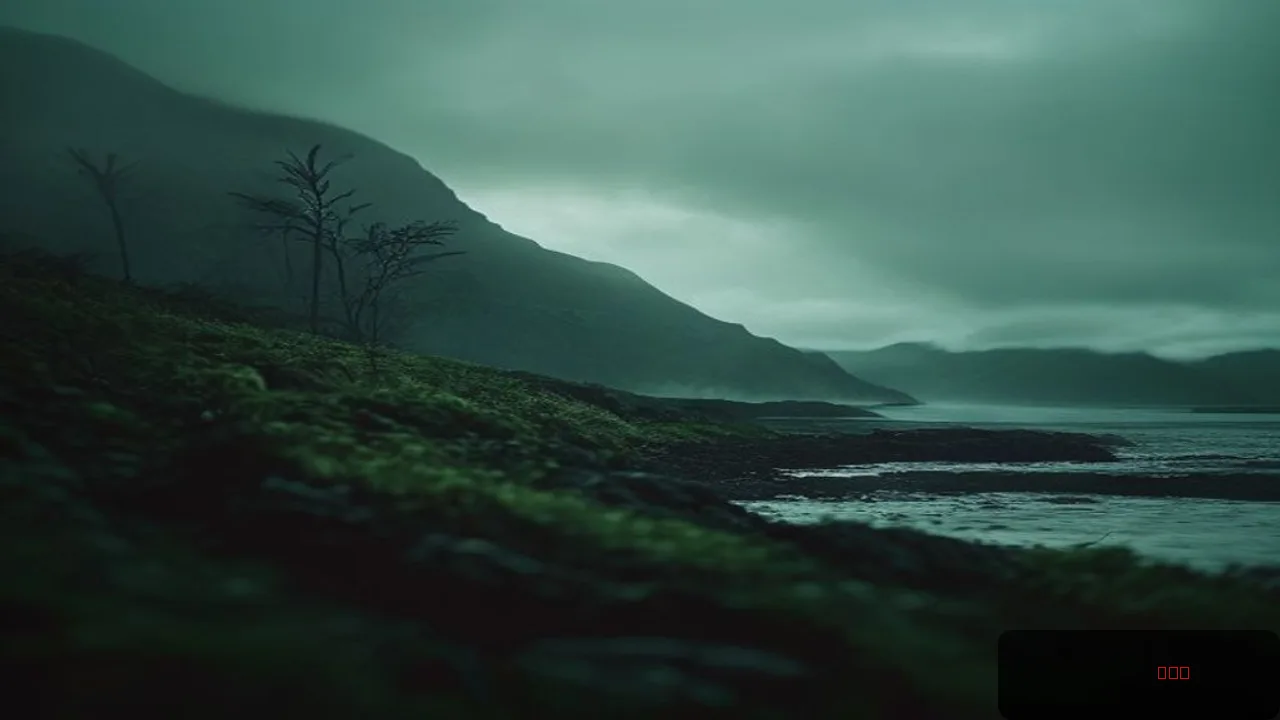
Visually, the film stands out—its cinematography captures the eerie beauty of both Victorian England and the mystical aspects of Māori culture. The score complements this aesthetic, weaving traditional Māori music into the film's fabric, reminding viewers of the protagonist’s indigenous roots. Yet, what the trade write-ups miss: this is the third post-pandemic project from this director, and the first that isn't a streamer pickup. That's a quiet shift.
A New Chapter in Horror
What’s striking about Mārama is how it reinvents traditional horror tropes. This isn't just another haunted house movie. Instead, it reflects real historical pain that resonates with many cultures, including India's own colonial past. This perspective might be intriguing for Indian viewers familiar with stories of identity and supernatural elements.
I keep coming back to the film's pacing—it's deliberately slow, allowing tension to build and the weight of history to seep in. Think Crimson Peak, but with a powerful Māori twist. One scene that lingers is when Mary, standing in the manor's dimly lit library, realizes the whispers she hears are ancestral voices—an eerie yet profound moment. The supernatural elements don’t just serve jumpscares; they provide commentary on the historical context, making the horror feel profoundly real and relevant.
Potential for Broader Impact
Mārama has the potential to resonate on a global scale, especially as indigenous narratives gain traction in cinema. There’s talk of spin-offs exploring other facets of Māori folklore, which could enrich the cinematic landscape even further. The positive reception following the Seattle International Film Festival could pave the way for more authentic narratives to be told.
With themes that linger after the credits roll, Mārama offers more than just a supernatural experience—it's a reflection on cultural identity and colonial history. Variety reported that the film's unique blend of horror and historical drama is "poised to set a new standard for indigenous storytelling."
Next Steps: Where to Watch and What to Expect
As Mārama prepares for wider distribution, streaming options are on the horizon. Keep an eye on Movie OTT for updates on where you can catch it. The film is a must-watch for anyone interested in a unique blend of horror and historical drama.
I can’t help but think—this film might just set a precedent for future indigenous storytelling in horror. With its impactful themes and haunting visuals, Mārama is bound to stay with viewers long after they've finished watching.