Mortal Kombat II Writer Jeremy Slater on Deaths, Endings, and IP Realities
TL;DR: Jeremy Slater wrote Mortal Kombat II as the franchise's sole credited screenwriter — a rare feat on a major IP project — and the film opened to a franchise-best $40 million domestic debut in May 2026. Slater has already begun a second draft of Mortal Kombat III, and is preparing to make his feature directorial debut with a horror film called Summoner.
A $40 Million Opening Weekend and One Writer's Name on the Credits
In the weeks after Mortal Kombat II landed in theaters in early May 2026, something quietly unusual became apparent to anyone paying attention to the credits: one screenwriter. Just one. On a major Warner Bros. franchise sequel — the kind of project that typically cycles through half a dozen writers and generates credits disputes that drag into arbitration — Jeremy Slater stood alone. The Hollywood Reporter confirmed the detail in a candid interview published May 11, 2026, in which Slater unpacked the film's new ending, its major character deaths, and what fifteen years of IP storytelling has actually taught him. The result is a film that earned $40 million in its opening weekend, making it the highest-grossing domestic debut in the Mortal Kombat franchise's theatrical history.
What the Film Actually Is: Cast, Director, and Story
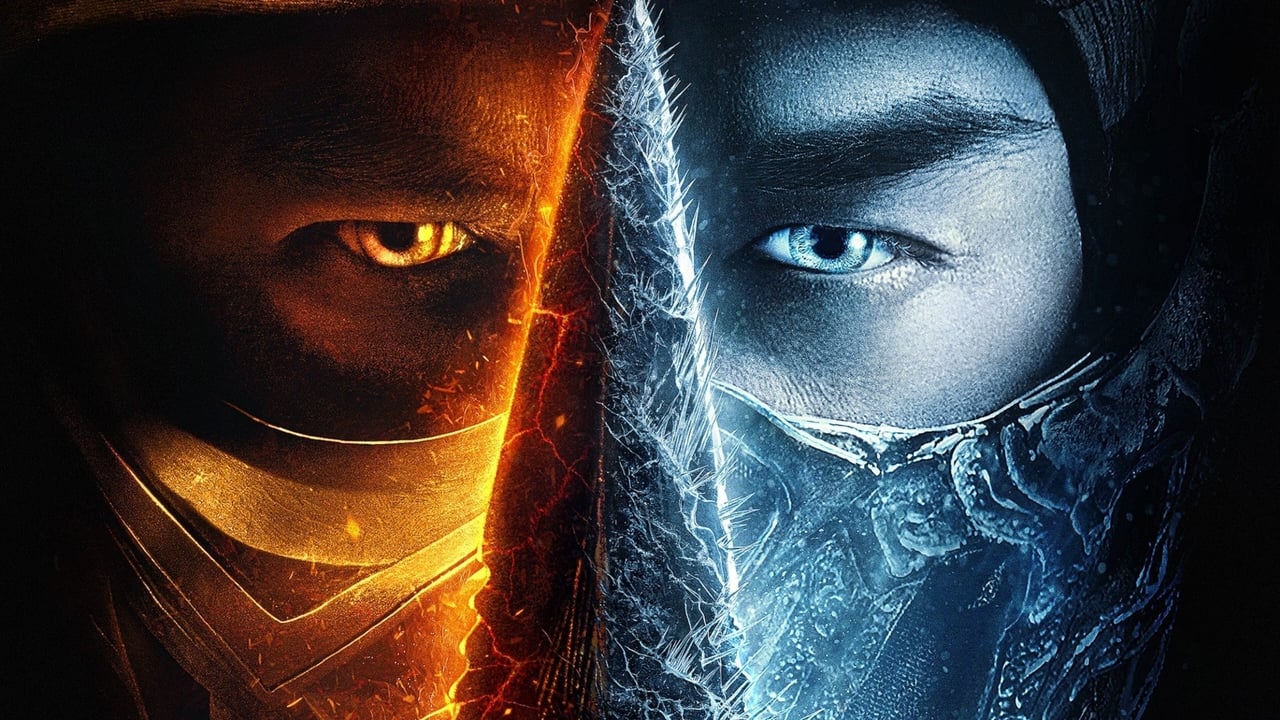
Mortal Kombat II is directed by Simon McQuoid, who helmed the 2021 original, and written entirely by Slater. The film stars Karl Urban as Johnny Cage and Adeline Rudolph as Kitana — two new protagonists who effectively take the wheel from Lewis Tan's Cole Young, the original movie's invented lead character. Tan's Cole is in the sequel, but significantly de-emphasized. Spoiler: he dies.
The supporting ensemble is enormous — roughly 20 characters, according to production reporting — and includes returning faces from the first film: Ludi Lin as Liu Kang, Mehcad Brooks as Jackson "Jax" Briggs, and Jessica McNamee as Sonya Blade.
Key facts at a glance:
- Director: Simon McQuoid
- Screenplay: Jeremy Slater (sole credit)
- Lead cast: Karl Urban, Adeline Rudolph, Lewis Tan, Ludi Lin, Mehcad Brooks, Jessica McNamee
- Opening weekend (domestic): $40 million (franchise record)
- Release: May 2026 (theatrical)
- Studio: Warner Bros. / New Line Cinema
The plot centers on a full-scale tournament — a promise made at the end of the first film — with Outworld fighters battling Earthrealm's champions. Several major characters die during the tournament. The ending, which Slater rewrote during post-production reshoots, sends the surviving champions toward the Netherrealm to rescue the fallen. Death, the film cheerfully suggests, is not permanent in this universe.
Why This Sequel Works Where the First Film Stumbled
The thing nobody mentions about the 2021 Mortal Kombat is that it wasn't really a bad film — it was a miscalculated one. Cole Young, the invented protagonist, wasn't the problem Lewis Tan created; it was a structural choice that felt like the studio hedging its bets rather than committing to the franchise's actual mythology. Audiences noticed.
Slater noticed too. According to Script Magazine's conversation with the writer, he approached the sequel by studying what the first film did right and leaning hard into those elements — specifically the humor, the violence, and the video game logic of rotating protagonists. His framing device for the studio pitch was simple: in Mortal Kombat the game, every quarter you put in the machine gives you a different character and a completely different experience. Why should the movies be any different?
That philosophy drove the decision to sideline Cole and build around Johnny Cage and Kitana instead. Urban's Cage provides the audience-surrogate POV — a movie star dropped into an insane world — while Rudolph's Kitana carries the film's emotional weight through a revenge arc born from Shao Kahn's actions in the opening act. The combination works in the same way that Guardians of the Galaxy worked: humor as the delivery mechanism for genuine stakes, rather than a counterweight to them.
Movie OTT has been tracking the sequel's streaming trajectory since its theatrical debut, and the audience data suggests the film is pulling viewers who skipped the first installment entirely — a sign that Slater's tonal recalibration landed.
What Slater Said About the New Ending — and What It Means for Part Three
The ending that audiences see wasn't the ending that existed in the initial cut. During post-production, when the team reviewed early assemblies, Slater and McQuoid recognized that the original closing — a wordless montage — wasn't sending viewers out of theaters with the emotional payoff the film had earned.
Slater was direct about it in the Hollywood Reporter interview: "When we were looking at the initial cuts, we were missing the final check-in with all of our characters. It happened as a wordless montage, and that wasn't sending people out of the theater with the feeling that we particularly wanted."
So he wrote a new ending. Filmed during the film's planned week of reshoots, the new coda shows Earthrealm's surviving champions regrouping and committing to a Netherrealm rescue mission — a move that simultaneously resolves the film's emotional arc and plants the seed for a third installment. Slater was careful to stress, multiple times, that death in this universe is reversible. Cole Young included.
Warner Bros. commissioned Slater to begin work on Mortal Kombat III after early test screening numbers came back stronger than anticipated. As of May 2026, he's finishing a second draft — and according to his own account, he's happy with it. (That's a phrase screenwriters don't use lightly, in my experience reading interviews like this one.)
For a deeper breakdown of the ending's mechanics and what the Netherrealm setup might mean narratively, this YouTube breakdown is worth your time.
Jeremy Slater's Fifteen Years in the IP Trenches
Slater's path to Mortal Kombat II is, honestly, a fascinating case study in Hollywood franchise economics. It started with an original spec script — Man of Tomorrow, a 1940s-set superhero noir about an FBI agent caught between Superman and Batman-like figures set in Chicagoland. The script made the 2012 Black List. That one original piece of work opened every IP door that followed.
His franchise credits read like a greatest-hits of projects that were complicated in development:
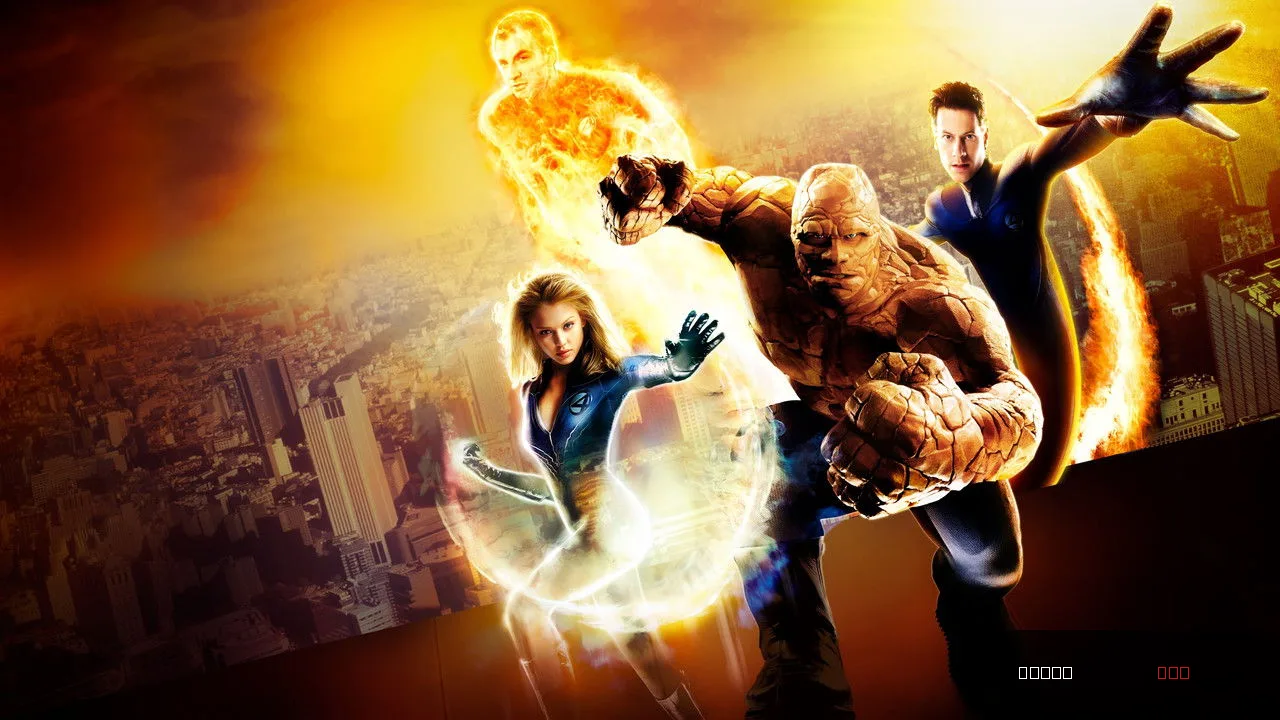
- Fantastic Four (2015) — Slater wrote an early draft he remains proud of; the maligned final cut bears little resemblance to it
- Death Note (Netflix adaptation)
- The Exorcist (series)
- The Umbrella Academy (series)
- Moon Knight (Marvel/Disney+)
- Godzilla x Kong: The New Empire
- Coyote vs. Acme (the infamous shelved Warner Bros. project)
The pattern across most of those projects: multiple writers, competing voices, credits as long as a signed petition. Mortal Kombat II broke that pattern because Slater — older, less ego-driven, shaped by years of collaborative television writing — got on the same creative wavelength as the studio early. He stopped fighting notes. He started treating collaboration as the actual job.
His next move is a feature directorial debut. A horror film called Summoner — which he describes as "the scariest thing I've ever written" — has been greenlit at a major studio, with casting underway and a target shoot date of August 2026. He previously came close to directing with an unproduced Insidious spinoff called Thread. This time, it's happening.
Movie OTT's franchise database has the full release history for both the 2021 film and this sequel, including regional streaming windows as they're confirmed.
Watch the official trailer:

Where Indian Audiences Can Watch Mortal Kombat II
For Indian viewers, Mortal Kombat II's theatrical run is the first entry point — the film opened in India alongside its global release in early May 2026, with dubbed versions available in Hindi, Tamil, and Telugu across major multiplex chains. The action-heavy, tournament-structure format has historically performed well with Indian genre audiences, and the franchise's video game roots give it an existing fan base in urban markets.
OTT availability in India will follow the standard Warner Bros. theatrical window. Based on the 2021 film's trajectory — which landed on HBO Max (now Max) internationally and was made available through JioCinema in India as part of the Warner Bros. content pipeline — the sequel is expected to follow a similar path. Exact streaming dates for India hadn't been officially confirmed at the time of publication, but Movie OTT tracks current Indian streaming availability across Netflix, Prime Video, Hotstar, JioCinema, and SonyLIV as windows are announced.
For viewers in the US and UK, the film will land on Max following its theatrical run. Spanish audiences can expect availability through HBO Max Spain, which carries the Warner Bros. slate in that market.
The Hindi dub, in particular, is worth flagging for casual viewers — the comedic timing in Karl Urban's Johnny Cage performance translates well, and the dubbing team on the 2021 film did solid work with the action sequences.
How Mortal Kombat II Fits the Current Action-Blockbuster Landscape
To put Mortal Kombat II's $40 million opening in perspective: it opened the same weekend as Devil Wears Prada 2, which ultimately won the frame and crossed $433 million globally. That context matters. The Mortal Kombat sequel wasn't the dominant film of the weekend, but it was competitive — and for a video game adaptation, that's historically difficult territory.
The film sits closest, tonally, to the John Wick franchise: choreography-forward action with a mythology that rewards franchise knowledge without punishing newcomers, wrapped in a self-aware sense of humor about its own absurdity. If you liked Wick's world-building and wanted it bloodier and more supernatural, Mortal Kombat II delivers. Hard.
The video game adaptation space has been notoriously difficult. For every Detective Pikachu, there are a dozen misfires. What Slater understood — and what his Substack interview with Ben Blacker makes clear — is that the adaptation challenge isn't about faithfulness to source material. It's about identifying which feeling the source material produces in its fans, and then engineering a film that produces that same feeling through cinematic means.
For Mortal Kombat, that feeling is the quarter-drop moment. The anticipation. The chaos.
What Comes Next for the Franchise and for Slater
Mortal Kombat III is in active development. Slater is on his second draft as of May 2026, and while Warner Bros. hasn't greenlit the third film officially, the test screening response to Part II was strong enough that the studio commissioned the script. Given the franchise-record opening weekend, a formal greenlight announcement seems less a question of if than when.
The key thing to watch: whether the Netherrealm rescue mission teased in the new ending functions as the spine of Part III's plot — and which of the dead characters return. Slater has been careful not to confirm names, but his repeated insistence that "death is never final in this universe" is doing a lot of heavy lifting.
For the latest streaming availability across regions as Mortal Kombat II moves from theaters to OTT platforms, Movie OTT has the current picture updated as windows are confirmed.