Catch These Five Films This Weekend: Bruce Lee, Grief, and Gothic Revenge
TL;DR: San Francisco is dedicating two days to Bruce Lee (May 14 & 18) with screenings of The Big Boss and Enter the Dragon. Meanwhile, four new films hit theaters: "Omaha" is a heartbreaking road trip, "Blue Heron" is a quiet Canadian family drama about a troubled sibling, "Marama" offers a visually striking Māori revenge thriller, and "Two Women" is a Montreal sex comedy. Here's who's in them, where to watch, and which ones are worth your time.
This week, San Francisco rolls out the red carpet for martial arts legend Bruce Lee, with a city-wide celebration happening alongside an unusually strong lineup of new films. It’s an interesting spread — a deeply personal Canadian family drama, a stark American road-trip film, a vibrant Māori gothic thriller, and a breezy comedy. Each one brings something different to the table, and honestly, you might find yourself adding more than one to your watch list.
Bruce Lee Day: Celebrate a Legend in San Francisco
The San Francisco Public Library's Main Branch is hosting two full days of Bruce Lee programming: Wednesday, May 14 and Sunday, May 18, 2026. This isn't just a civic formality; it's a deep dive into the legacy of a man born right here in San Francisco.
Wednesday's program (2 p.m.) kicks off with California Assemblymember Matt Haney, followed at 3 p.m. by Shannon Lee, Bruce Lee's daughter and author of Be Water, My Friend. She'll host a teen Q&A, speaking directly to a younger audience about what her father's work and philosophy mean in 2026. Shannon Lee has spent years stewarding her father's legacy through the Bruce Lee Foundation, and her presence really makes this event feel special. His identity as an Asian American man who fought — literally and figuratively — for space in Hollywood carries particular resonance in a city with San Francisco's rich history.
Sunday's schedule is packed:
- Noon — Live martial-arts demonstration.
- 1–3 p.m. — Crafts programming for families.
- 1–3:30 p.m. — Mahjong Afternoon.
- 1–4:45 p.m. — Film screenings: The Big Boss (1971) and Enter the Dragon (1973).
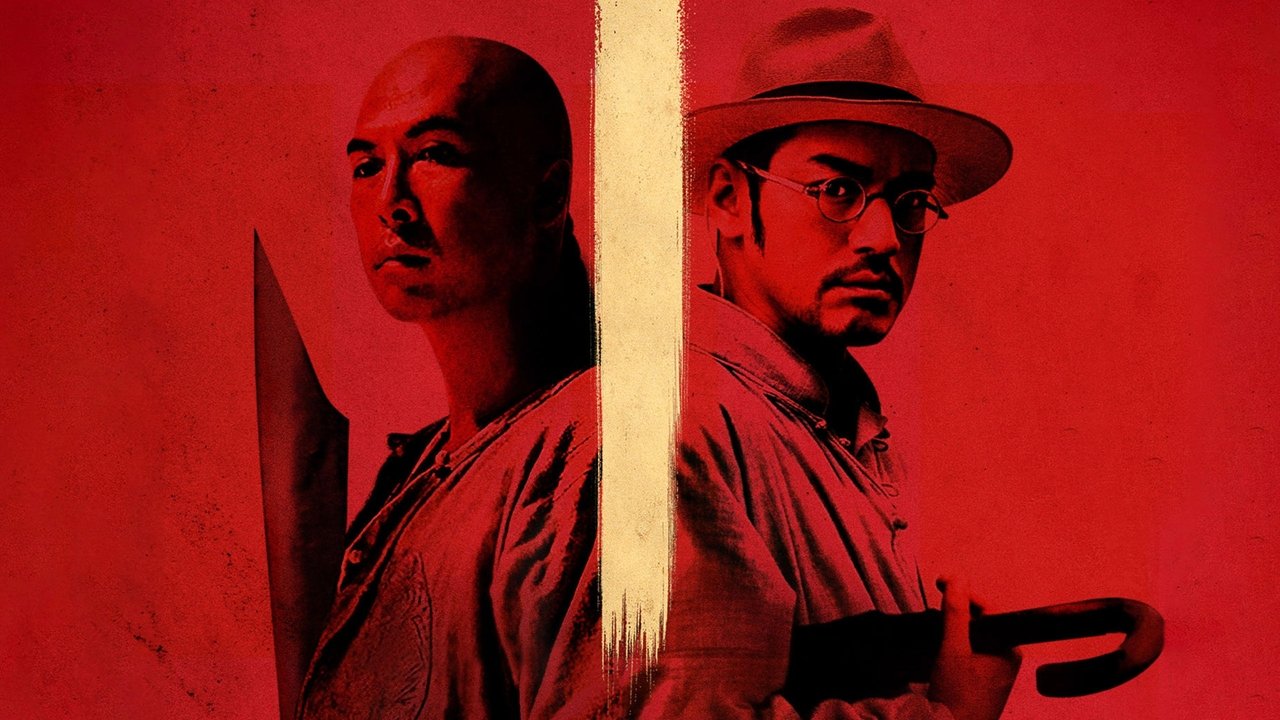
Enter the Dragon is Bruce Lee's final completed film, released just six days after his death at age 32. It’s a landmark of martial-arts cinema — directed by Robert Clouse and co-starring John Saxon and Jim Kelly — and its influence on action cinema hasn't faded. If you haven't seen it on a proper screen, Sunday is your shot. For full event details, check sfpl.org.
"Blue Heron": A Searing Memory of Family on Vancouver Island
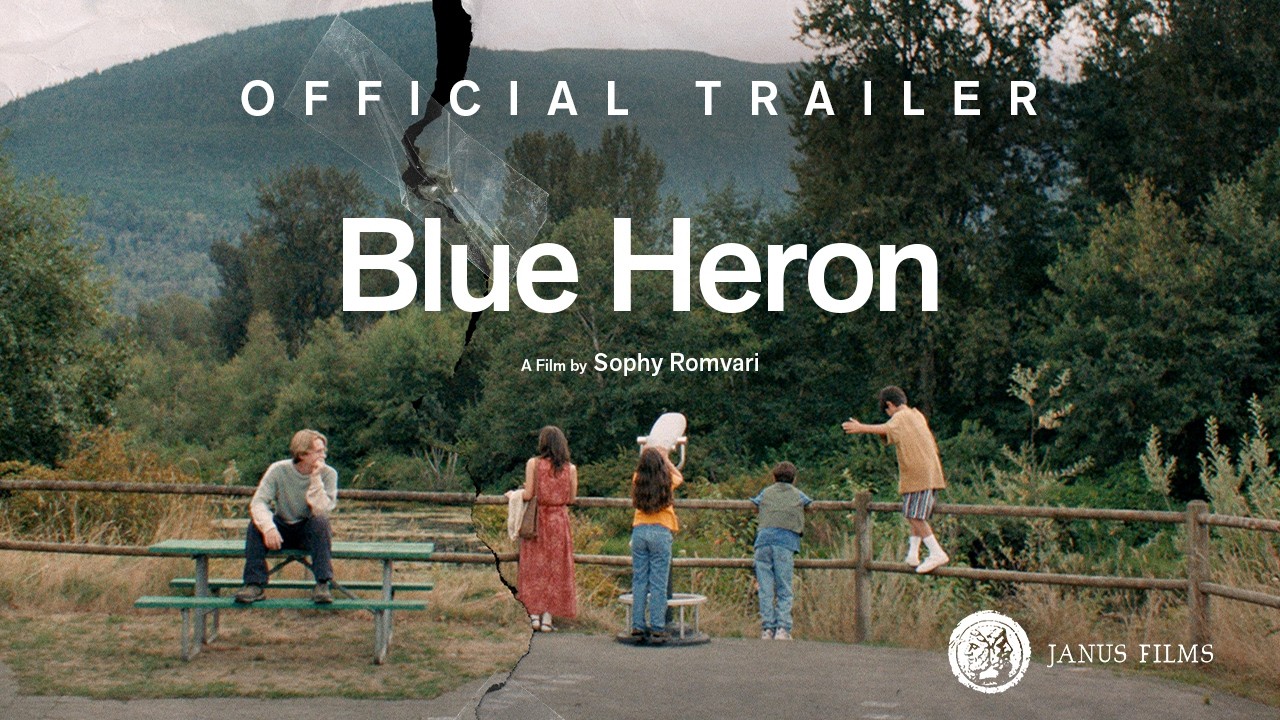
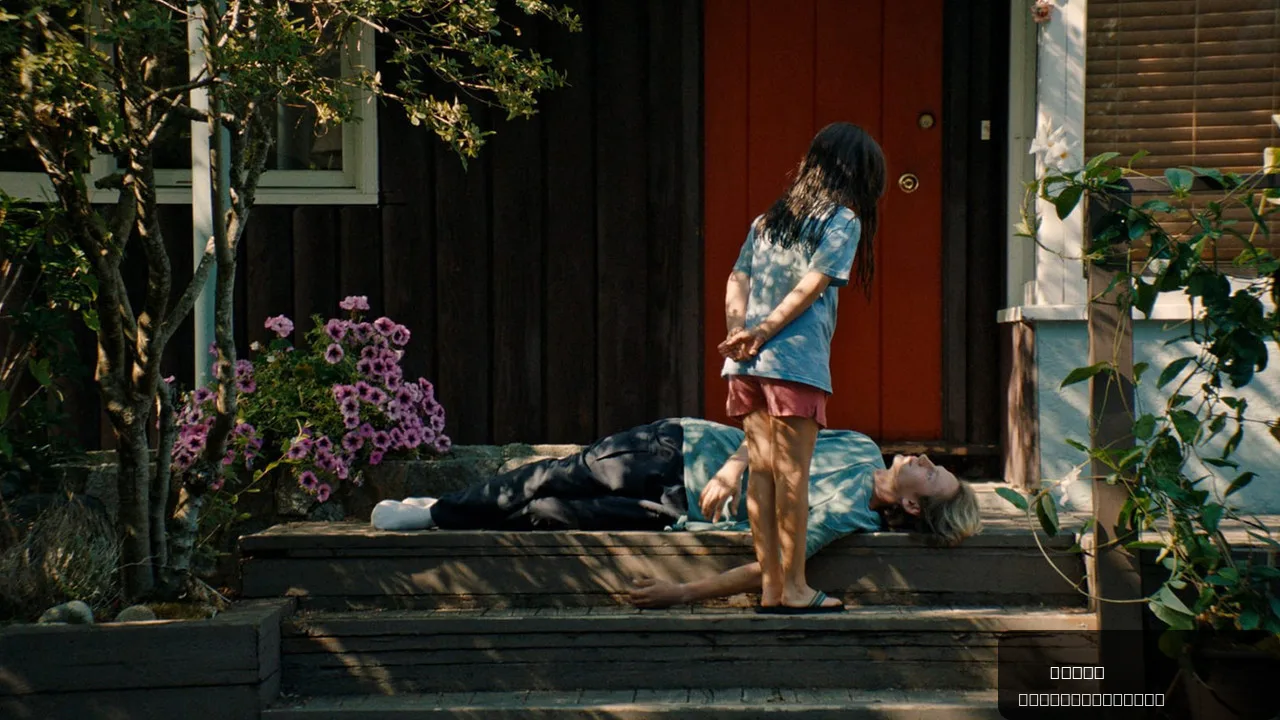
Sophy Romvari's debut feature, Blue Heron, is playing in Bay Area theaters this week. This film is something rarer: a blend of realistic fiction, documentary texture, and imaginative storytelling that never feels disjointed. It centers on Sasha, who grows up on Vancouver Island in the late 1990s as part of a Hungarian immigrant family of six. The quiet beauty of the Pacific Northwest — the damp green isolation, that specific light — is used so well here, amplifying the family's internal struggles.
The story unfolds through Sasha's eyes, both as an 8-year-old (Eylul Guven) and as an adult (Amy Zimmer) looking back. Her older brother, Jeremy (Edik Beddoes), struggles with increasingly dangerous behavior, which interrupts the family's fresh start. What's striking is how the film treats this difficult subject: it's resonantly sad, not miserable. Sad in the way real memory often is — specific, textured, occasionally funny, and impossible to fully resolve. Honestly, this is the film on this week's list I keep coming back to. It doesn't explain itself; it doesn't need to.
You can find current Bay Area showtimes, and later, streaming availability, on Movie OTT's where-to-watch tracker.
"Omaha": A Road Trip Into the Heart of Hardship
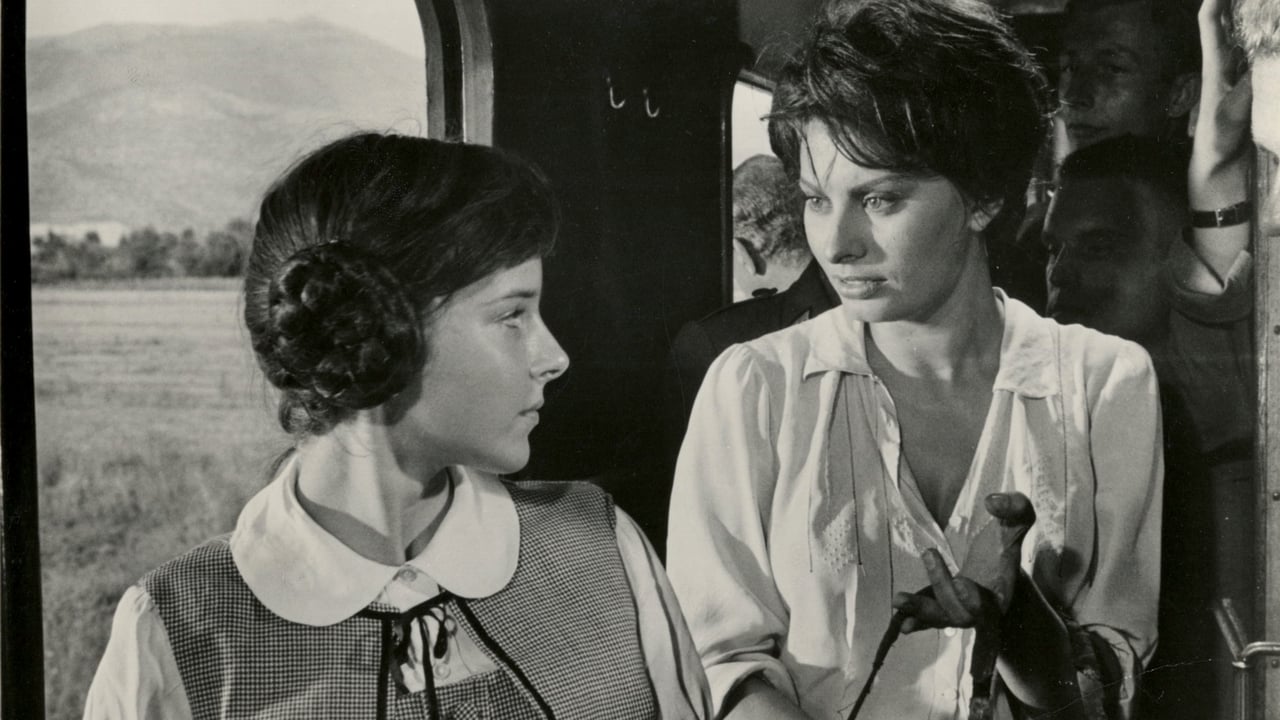
Now playing at Landmark's Opera Plaza Cinema, Omaha is a quiet gut-punch of a film from first-time feature director Cole Webley. John Magaro (from First Cow and The Big Short) plays Martin, a financially broken widower in 2008. There's a foreclosure notice on the door, his EBT card is running dry, and he's got two kids — 9-year-old Ella (Molly Belle Wright) and younger son Charlie (Wyatt Solis) — and a golden retriever packed into a deteriorating car. They don't know where they're going. The film takes its time before it tells you.
The screenplay, by Robert Machoian (known for The Killing of Two Lovers), withholds the destination of Omaha, Nebraska, for a reason. The early road-trip scenes have a painful sweetness: the three of them singing "Mony Mony" (a song belonging to their late mother), flying kites, playing games. But then the EBT card runs dry, and Ella's expression changes. She's nine years old, and she already knows her father is hiding something catastrophic.
What strikes me is how much of this film belongs to Wright. Webley puts enormous weight on a child actor, and she carries it beautifully. The zoo sequence — shot through Ella's wide, unguarded eyes — is one of the most genuinely magical things I've seen in a drama this year. The film isn't flawless (the final act moves too fast, and the use of title cards to explain the climax creates a strange tonal rupture). But these are fixable complaints about an otherwise emotionally honest debut. Think Nebraska (2013) crossed with Gifted (2017), but heavier.
Movie OTT tracks theatrical availability for Omaha across US regions; check there for showtimes near you.
"Marama": Māori Fury Meets Victorian Gothic
Taratoa Stappard's debut feature, Marama, opens Friday in Bay Area theaters, delivering something fresh to the gothic revenge thriller genre. It centers Māori culture, history, and fury with genuine specificity.
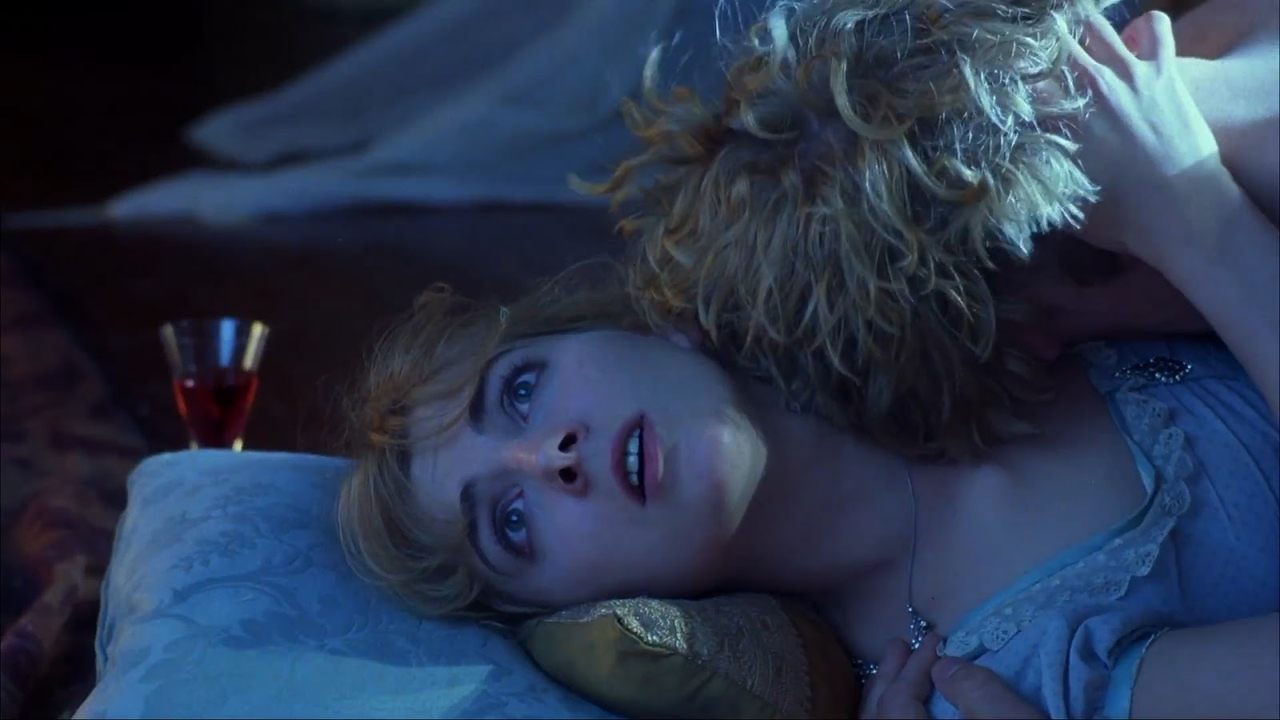
The setup feels classic Victorian: It's 1859. Mary Stevens — her Anglicized name, her given name being Marama — is a young Māori teacher played by Ariana Osborne. She travels from New Zealand to England after being promised answers about her family's history. Instead, she becomes a governess to the granddaughter of British tycoon Nathaniel Cole (Toby Stephens), a man who's spent years amassing a collection of stolen Māori artifacts, his "admiration" a thin veil for fetishistic extraction.
Mary begins experiencing visions. Female seer powers inherited through her lineage reawaken. And then comes the reckoning. Osborne plays the transformation with real intensity — there's a dinner-party scene where British guests casually insult her culture, and something in her face shifts, and the film's color palette (black and vivid crimson, used with theatrical confidence) does the rest. The film isn't subtle. It's not trying to be. It's delivering bloody retribution with stylish conviction, and there's something valuable in that directness. Māori stories don't often get this kind of big-screen platform, and Stappard doesn't waste the opportunity.
Looking Ahead: Where to Watch These Films & What's Next
For viewers in India, the practical streaming picture varies by title. Enter the Dragon has had various platform runs over the years, and Movie OTT tracks its current availability across Netflix India, Amazon Prime Video, JioCinema, and SonyLIV — worth checking before you assume it's accessible.
The newer titles — Omaha, Blue Heron, Marama, and Two Women — are all in early theatrical release in the US and the Bay Area specifically. Indian OTT windows for limited theatrical releases like these typically open 60–90 days post-US release, with platforms like Netflix and Prime Video being the most likely landing spots for international acquisitions of this scale. Marama, given its genre credentials and the current appetite for non-Western horror and revenge thrillers (think the success of films like Tumbbad abroad), may find a particularly receptive Indian audience when it arrives digitally. No India release dates have been confirmed for any of the four new films as of this writing. Hard to say if any of them will get dubbed regional releases, but the original English-language versions should be accessible via streaming within the standard window.
Omaha and Blue Heron are the two titles most likely to expand beyond Bay Area theaters based on early critical reception; both fit the profile of films that travel well on the awards-season circuit. Marama, with its genre hook and Māori cultural specificity, has festival-circuit momentum that could translate into broader platform acquisition.
The Bruce Lee Day itself is a one-time event, but the SFPL programming reflects something larger: an ongoing institutional commitment to Asian American cultural history that San Francisco has been building for years. For the latest streaming availability as these titles move from theaters to platforms, Movie OTT will have the current picture across US, UK, India, and Spain regions.
Our Recommendation: Watch Omaha for Magaro and Wright. Watch Blue Heron because Romvari's debut is the kind of film that stays with you. And if you're in San Francisco on Sunday — go to the library.
Watch the official trailer: